




 UA
UA  PL
PL Why Do Dancers Wear Knee Pads? Top Reasons You Should Know
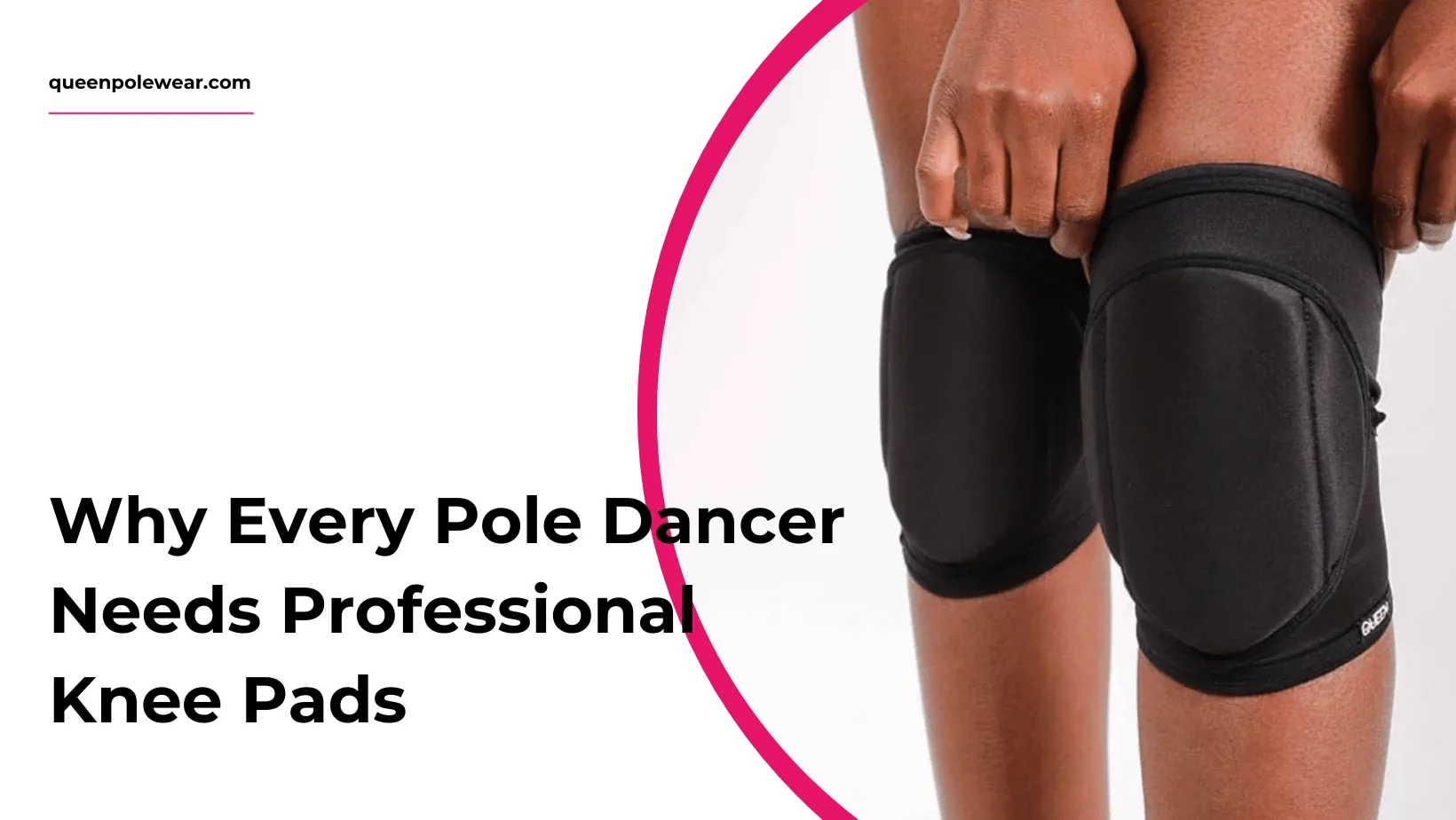
Dance is an art form that blends grace, athleticism, and creativity. While the focus is often on the beauty of movement, the physical demands of dance cannot be ignored. Dancers’ bodies endure significant strain, and the knees are particularly vulnerable. One critical aspect of protecting dancers is ensuring their knees are safeguarded against injury. Knee pads have become an essential accessory for dancers, offering protection and enhancing performance.
Injuries, whether minor bruises or more severe damage, can limit a dancer’s ability to perform and train effectively. Knee pads act as a safeguard, ensuring dancers can push their limits safely. They provide comfort, improve endurance, and allow for greater freedom in experimenting with movements, making them indispensable for every dancer.
Main Reasons Why Dancers Wear Knee Pads
- Enhanced Protection
Dancers are frequently required to perform movements that place significant stress on their knees, including slides, drops, and turns. These movements can result in bruises, scrapes, or more serious injuries over time. Knee pads act as a cushion, absorbing the impact and preventing injuries.
In addition to protecting against external impacts, knee pads also help prevent internal injuries such as tendon strain or joint damage. The cushioning minimizes pressure, safeguarding the knees over time and reducing the likelihood of chronic issues.
- Improved Performance
When dancers know their knees are protected, they can focus entirely on their movements without holding back. This freedom enables them to push boundaries, try new techniques, and deliver performances with greater energy and creativity.
The psychological comfort of knowing you’re protected can significantly influence performance. It encourages dancers to attempt daring moves, slide gracefully across the floor, and execute demanding routines without hesitation.
- Comfort and Endurance
Knee pads help reduce strain and fatigue by supporting the knee joint, enabling dancers to perform for extended periods without discomfort. This is especially important for dancers who train daily and need to maintain peak physical condition.
Furthermore, the added cushioning helps prevent soreness and swelling after extended use, ensuring dancers can recover quickly.
- Versatility in Dance Styles
Knee pads are versatile accessories that suit a variety of dance styles. From contemporary to hip-hop, they adapt to the unique demands of each genre. They allow dancers to explore dynamic and ground-based movements without hesitation.
Knee pads are crucial for styles like pole dancing or breakdancing, where knee contact with the floor is frequent. They also allow for smoother transitions in routines, enhancing the fluidity of movements.
- Aesthetic Integration
Modern knee pads are designed to blend seamlessly with dancewear. Many brands offer sleek, low-profile designs that do not compromise the visual appeal of a performance. Some knee pads even come in skin-toned or transparent options, ensuring they remain inconspicuous on stage. With the availability of stylish designs, dancers no longer need to choose between safety and appearance.
- Community and Professional Endorsement
Many professional dancers and instructors advocate for the use of knee pads, emphasizing their importance in preventing injuries. This endorsement encourages young dancers to adopt the practice early in their careers, fostering a safety and sustainability culture in the dance community.
Professional dance companies often provide knee pads to their members, underlining their value. This practice highlights the necessity of protection in the industry and sets a standard for aspiring dancers.
Types of Knee Pads for Dancers
There are several types of knee pads, each catering to different needs and preferences:
- Grippy Knee Pads: These knee pads are designed with extra grip on the outer layer, making them ideal for dancers who need stability during floor work. They are especially popular in pole dancing and high heels dance styles, where grip and traction are essential for fluid transitions.
- Soft Knee Pads: Perfect for styles that require flexibility and ease of movement, soft knee pads provide a gentle cushion without being bulky. They are lightweight and allow dancers to move seamlessly while still offering a moderate level of protection.
- Protective Knee Pads: Designed for high-impact dance styles such as breakdance or acrobatic dance, these knee pads offer maximum cushioning and durability. They are crafted with reinforced materials to withstand intense movements and repetitive impacts.
- Lightweight Knee Pads: Ideal for contemporary or lyrical dance, these knee pads prioritize comfort and barely noticeable weight. They are slim and discreet, making them a favorite choice for performances where aesthetics matter as much as functionality.
Choosing the correct type of knee pads depends on the dancer’s specific style and needs.
Which Dance Styles Require Knee Pads the Most?
Contemporary Dance
Contemporary dance often involves floor work, requiring frequent kneeling, sliding, and rolling. Knee pads protect against abrasions and bruises during these movements.
This style often emphasizes creativity and fluidity, which can demand repetitive knee contact with hard surfaces. Knee pads allow dancers to explore their full range of motion without fear of injury.
Hip-Hop and Breakdance
Hip-hop and breakdance are high-energy styles with dynamic ground-based moves like knee spins and freezes. Knee pads are essential for protecting against the impact of these demanding routines.
Breakdancing, in particular, places extreme pressure on the knees, making protection a priority. Dancers can execute intricate moves confidently with the added safety of knee pads.
Pole Dance and High Heels
These styles often include moves that place direct pressure on the knees, such as floor work transitions. Knee pads protect and add grip, aiding in seamless execution.
Using knee pads enhances the dancer’s stability during routines, contributing to safety and aesthetic appeal.
Cheerleading and Acrobatic Dance
These styles combine elements of dance and gymnastics, involving jumps, flips, and floor stunts. Knee pads are crucial for safety during high-impact moves.
For cheerleaders, knee pads are often used during training sessions to ensure safety while perfecting stunts and routines.
How to Choose the Right Knee Pads for Dancing
Fit and Size
Choose knee pads that fit snugly without restricting movement. Ill-fitting knee pads can slide or cause discomfort, reducing their effectiveness.
A proper fit ensures knee pads stay in place during fast-paced routines. Dancers should measure their knees and consult sizing charts before purchasing.
Material and Durability
Opt for knee pads made from high-quality, breathable materials. Durable pads ensure long-term use, even during intense practice sessions.
Breathable materials prevent excessive sweating and irritation, ensuring comfort during prolonged use. High-quality materials also resist wear and tear.
Level of Protection
Consider the type of dance you practice and select knee pads that offer adequate protection. High-impact styles may require thicker padding, while lighter styles may benefit from slim designs.
The level of protection should align with the dancer’s needs. Overly bulky knee pads might hinder movement, while insufficient padding could lead to injuries.
Tips for Using Knee Pads Effectively
- Break Them In: Initially, wear your knee pads during short practice sessions to allow them to adapt to your movements.
- Maintain Cleanliness: Regularly clean your knee pads to prevent odors and maintain hygiene.
- Inspect for Wear and Tear: Replace knee pads that show signs of damage to ensure continued protection.
- Pair with Proper Footwear: Complement knee pads with supportive dance shoes to enhance overall safety.
Using knee pads effectively also involves proper storage and maintenance. Keeping them dry and clean extends their lifespan, ensuring they remain effective.
Conclusion
Knee pads are an indispensable tool for dancers, offering protection, enhancing performance, and providing comfort across various dance styles. Whether you’re performing dynamic hip-hop moves or elegant contemporary routines, investing in quality knee pads ensures that your knees remain safe and supported.
FAQs (Frequently Asked Questions)
Why do dancers need knee pads?
Dancers need knee pads to protect their knees from impact, reduce the risk of injury, and improve comfort during practice and performances. Knee pads are particularly important for styles involving floor work or high-impact movements.
What are the best knee pads for dancers?
The best knee pads for dancers depend on individual needs. For high-impact styles, gel knee pads offer superior cushioning. Flexible knee sleeves are great for lighter styles.
Where to buy knee pads for dance?
The Queen Wear online store is an excellent place to purchase high-quality knee pads for dance. Known for its wide range of dance accessories, Queen Wear offers an impressive selection of knee pads tailored to meet the needs of dancers across various styles. The store provides options for beginners and professionals.
How often should dancers replace knee pads?
Dancers should replace knee pads when they show signs of wear and tear, such as thinning padding or loss of elasticity. Replacing knee pads every 6-12 months is recommended for frequent users to ensure optimal protection and comfort.