




 UA
UA  PL
PL Platform Heels Guide: Styles, Heights and How to Choose
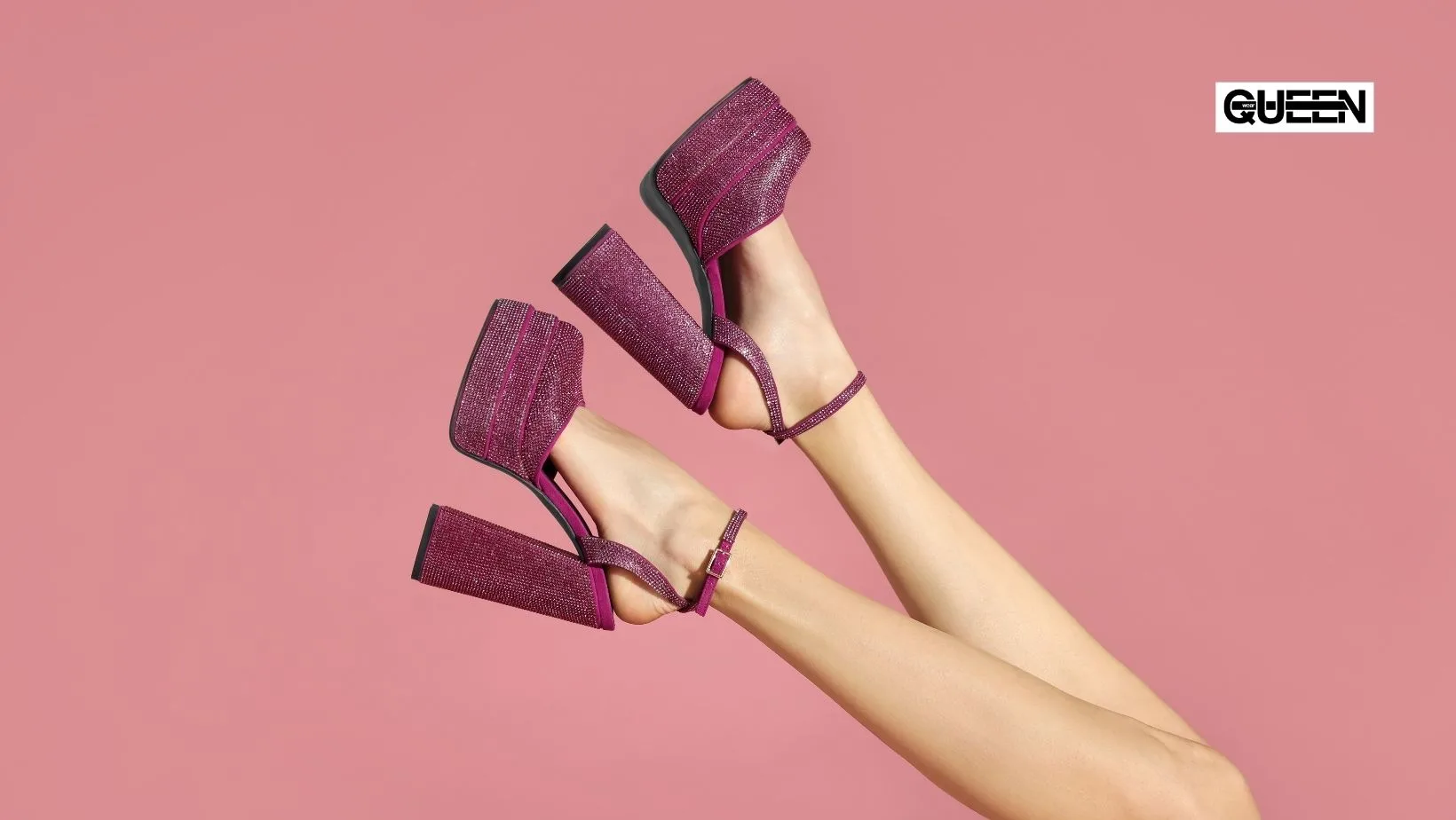
Platform heels are a signature part of pole dance, exotic dance and High Heels choreography. They create longer leg lines, add visual impact to movement and provide a distinctive platform that dancers can use during walks, turns, slides and floorwork.
But not all platform heels feel the same. Heel height, platform shape, boot or sandal construction and the way the shoe fits your foot can significantly affect balance and control.
If you are choosing your first pair or planning to move to a higher platform, this guide explains the main styles, common heel heights and what to consider before buying.
What Are Platform Heels?
Platform heels combine a high heel with a raised sole under the front of the foot. Because both the heel and forefoot are elevated, the actual angle of the foot is less extreme than the total height of the shoe might suggest.
Dance platforms are particularly common in:
- pole dance;
- exotic pole;
- High Heels choreography;
- floorwork;
- stage performances;
- dance photoshoots.
Unlike standard fashion heels, specialist dance platforms are designed with movement in mind. Their shape allows dancers to use the front and sides of the platform during turns, transitions and stylised walks.
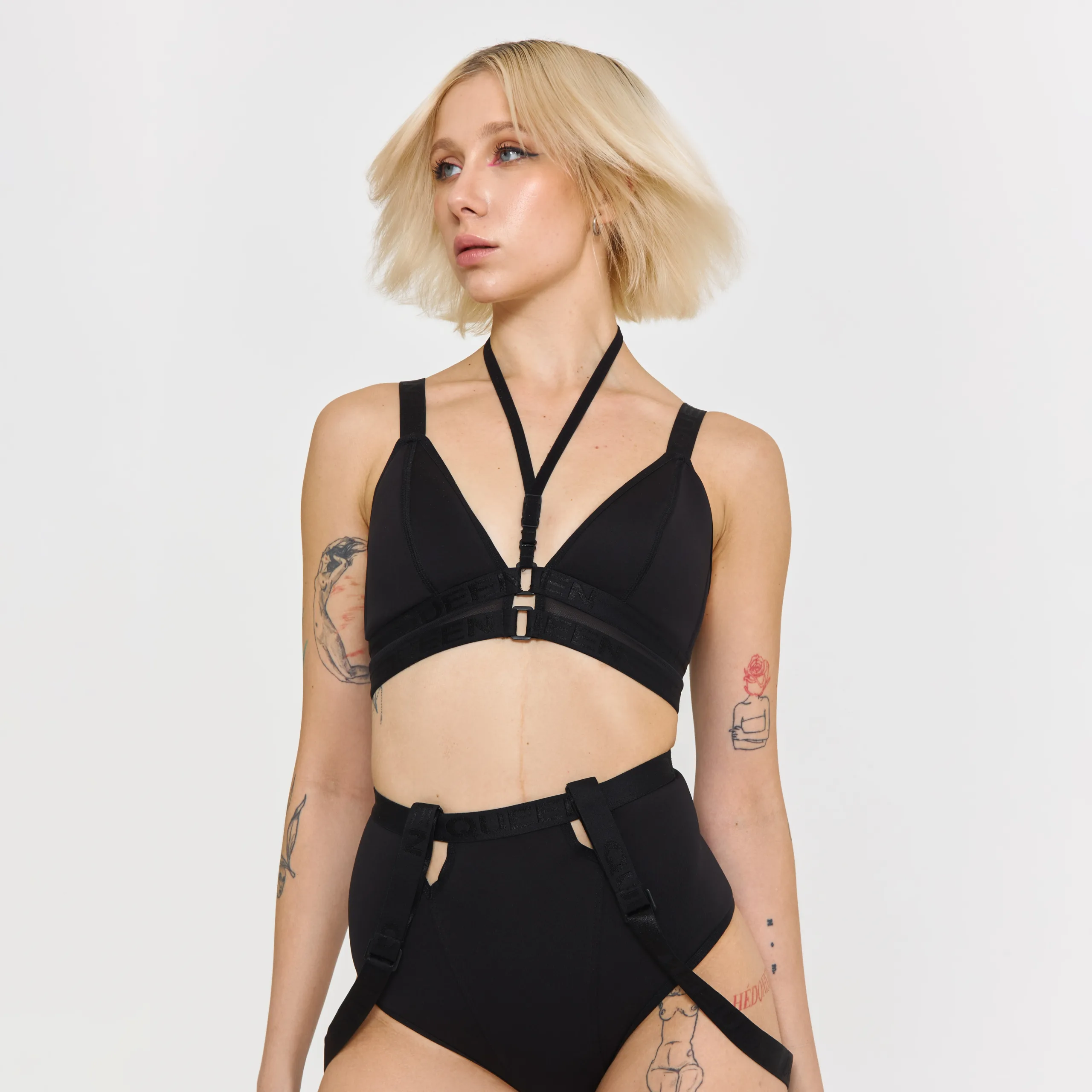
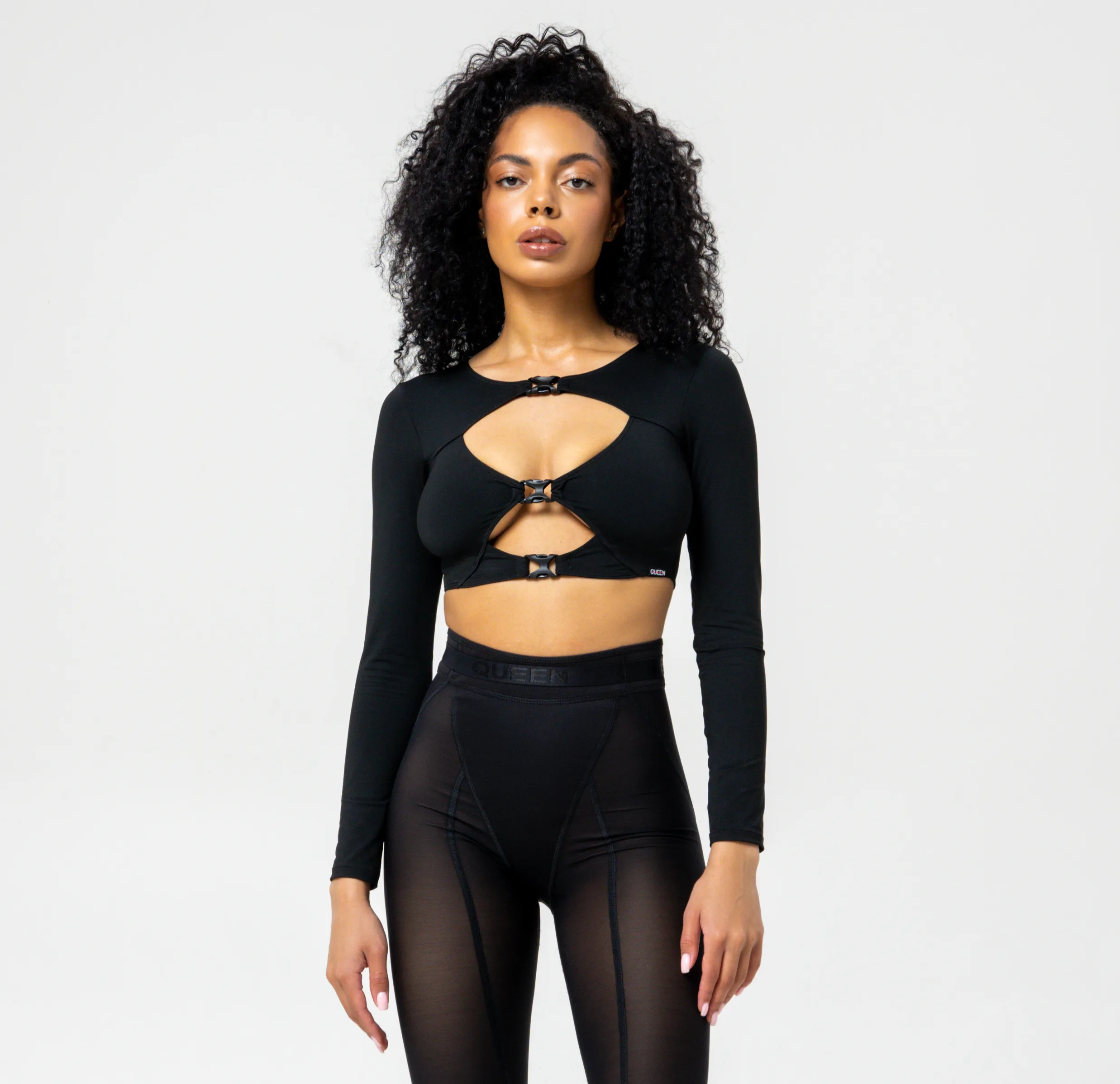
You can combine platform footwear with fitted pieces from the Queen Wear High Heels collection for training, choreography and performances.
Platform Sandals vs Boots
One of the first decisions is whether to choose open sandals or boots.
Platform sandals
Sandals usually have an open toe, exposed heel and ankle straps. They create a lighter visual line and make it easier to see the extension of the foot.
They can be a good choice if you:
- already feel comfortable balancing in heels;
- prefer greater ankle mobility;
- want a lighter shoe;
- focus on elegant lines and choreography;
- like a classic exotic dance look.
The downside is that sandals provide less ankle support. Beginners may need more time to develop stability and control.
Platform boots
Boots cover the foot and ankle, providing a more secure feeling. Lace-up models can be adjusted to fit the foot more closely.
They are often preferred for:
- beginner heels training;
- exotic dance;
- pole choreography;
- floorwork;
- dancers who want more ankle support.
Boots can also protect more of the foot during drags and floor transitions.
For many beginners, an ankle boot is the easiest introduction to platform heels because it combines the dramatic platform shape with additional support.
Understanding Heel Heights
Dance platforms are commonly described by their total heel height. Popular options include 6-inch, 7-inch and 8-inch heels.
The best choice depends on your experience, balance and type of training rather than appearance alone.
6-Inch Platform Heels
Six-inch heels are often considered a practical starting point for dancers who have never trained in platform shoes.
They generally have:
- a smaller platform;
- less total height;
- easier weight transfer;
- a lighter feel than taller models.
They can work well for learning basic walks, simple pivots and controlled transitions.
If you are completely new to dancing in heels, starting lower gives you time to understand how the platform changes your balance.
7-Inch Heels
7 inch heels are one of the most popular options in pole and exotic dance. They offer a noticeable platform while remaining versatile enough for regular studio training.
They are often chosen by dancers who already understand basic heel technique and want:
- more pronounced leg lines;
- a larger front platform;
- greater freedom for platform-based transitions;
- a classic exotic pole silhouette.
Seven-inch platforms are commonly used for choreography, floorwork and pole routines because they offer a balance between visual impact and manageability.
For many dancers, they become the main everyday training height after gaining confidence in lower platforms.
8-Inch Platform Heels
Eight-inch heels create an even more dramatic look, but they also require greater control.
The higher platform changes:
- your centre of gravity;
- the weight of the shoe;
- the size of each step;
- the way you recover balance;
- the amount of control needed during turns.
They are usually better suited to dancers who are already confident walking, turning and transferring weight in platform footwear.
Moving from 7 inch heels to 8-inch platforms should feel like a progression rather than simply a style upgrade.
Does a Higher Heel Always Mean a Harder Shoe?
Not necessarily.
Heel heights matter, but several other factors influence how difficult a shoe feels:
- platform height;
- heel shape;
- ankle support;
- shoe weight;
- fit;
- sole construction;
- your own foot and ankle strength.
A well-fitted 7-inch boot may feel more stable than a loose 6-inch sandal.
This is why choosing platform heels based only on the number of inches can be misleading. The entire construction of the shoe matters.
Platform Heels for Exotic Dance
Exotic dance heels are not simply accessories. Dancers actively use the platform as part of the choreography.
Common techniques include:
- platform pivots;
- toe drags;
- heel clacks;
- edge work;
- slides;
- controlled foot rolls;
- transitions between standing and floorwork.
The weight and shape of the shoes can also change the visual quality of leg movements. A slow leg extension or body wave often looks more dramatic when finished with a high platform.
Your outfit should support the same freedom of movement. Queen Wear High Heels clothing is designed for dance training and choreography where secure fit and unrestricted movement are essential.
How to Choose Your First Platform Heels
Before buying, consider four main factors.
1. Your experience level
If you have never worn platforms before, begin with a manageable height and a secure design.
A boot with ankle support may be easier to control than an open sandal.
2. Your dance style
For choreography and floorwork, you may prioritise smooth movement across the floor.
For pole work, consider how the material interacts with the pole. Some finishes provide more grip than others.
For performances, appearance may become more important, but the shoes still need to feel stable enough for your routine.
3. Your foot shape
A shoe can have the right numerical size but still feel wrong if it does not match your foot.
Consider:
- foot width;
- arch shape;
- toe length;
- ankle circumference;
- whether your foot slides forward.
Your toes should not hang significantly over the front platform, and the heel should remain securely positioned.
4. Ankle support
If your ankles feel unstable, choose a boot or another model with stronger support.
Open sandals require more active ankle control and may be better once you already feel confident in platforms.
How Should Platform Heels Fit?
Platform heels should fit securely without painful pressure.
Check that:
- the heel does not lift excessively;
- the foot does not slide forward;
- the toes are not compressed;
- straps remain secure;
- the ankle feels supported;
- you can stand without gripping with your toes.
Try the shoes on a clean indoor surface first. Walk slowly, shift your weight and perform a few controlled turns before deciding whether the fit is right.
Never assume that a loose shoe will become easier to control during dancing.
Practising Balance in Platform Heels
Before learning choreography, spend time simply becoming comfortable in the shoes.
Start with:
- Standing with equal weight on both feet.
- Shifting your weight slowly from side to side.
- Lifting one foot while holding a stable support.
- Taking short steps forward.
- Practising controlled stops.
- Adding simple turns.
- Gradually introducing choreography.
Keep your knees soft and your torso lifted. Avoid staring constantly at your feet, as this can pull your body forward and make balance more difficult.
When learning a new heel height, treat it as a new piece of equipment rather than assuming your previous technique will transfer immediately.
What to Wear With Platform Heels
Your clothing should stay securely in place while allowing unrestricted movement through the hips, knees and shoulders.
Useful options include:
- fitted shorts;
- supportive tops;
- bodysuits;
- flexible dance pants;
- knee pads for floorwork.
Avoid very loose trousers that may become trapped under the platform or heel.
The Queen Wear High Heels collection includes clothing designed for dance classes, exotic choreography and performance styling.
Common Platform Heel Mistakes
Choosing the tallest pair immediately
Higher does not automatically mean better. Build confidence gradually before moving to larger platforms.
Buying a loose size
A loose shoe reduces control and can make turns feel unstable.
Taking long steps
Shorter steps make it easier to keep your centre of gravity under control.
Locking the knees
Slightly soft knees help absorb movement and improve balance.
Ignoring ankle fatigue
Platform shoes add weight to the feet. If your ankles become tired and unstable, take a break rather than forcing more repetitions.
Practising advanced movements too soon
Master walking, stopping, weight transfer and basic turns before attempting fast choreography or more difficult platform tricks.
Which Platform Heel Height Should You Choose?
A simple starting guide is:
| Experience | Suggested height | Why |
| New to platform heels | 6 inch | Easier introduction to platform balance |
| Some heels experience | 7 inch | Versatile for choreography and exotic dance |
| Confident platform dancer | 8 inch+ | Strong visual effect and more advanced platform work |
This is only a general guideline. A supportive 7-inch boot may be easier for you than a lower open sandal, so fit and construction should always influence the final decision.
Choose Control Before Height
The best platform heels are not necessarily the tallest pair. They are the shoes that allow you to walk, transfer weight, turn and perform choreography with control.
Beginners can start with supportive boots and a moderate heel height, while more experienced dancers may prefer 7 inch heels or higher platforms for more expressive exotic dance choreography.
Take time to adapt to every new pair and increase the height gradually. Once the shoes feel like an extension of your movement rather than something you are fighting to balance in, you are ready to explore more complex choreography.
Complete your training look with the Queen Wear High Heels collection designed for movement, floorwork and confident dance performance.