




 UA
UA  PL
PL Pole Dancing for Beginners: How to Start
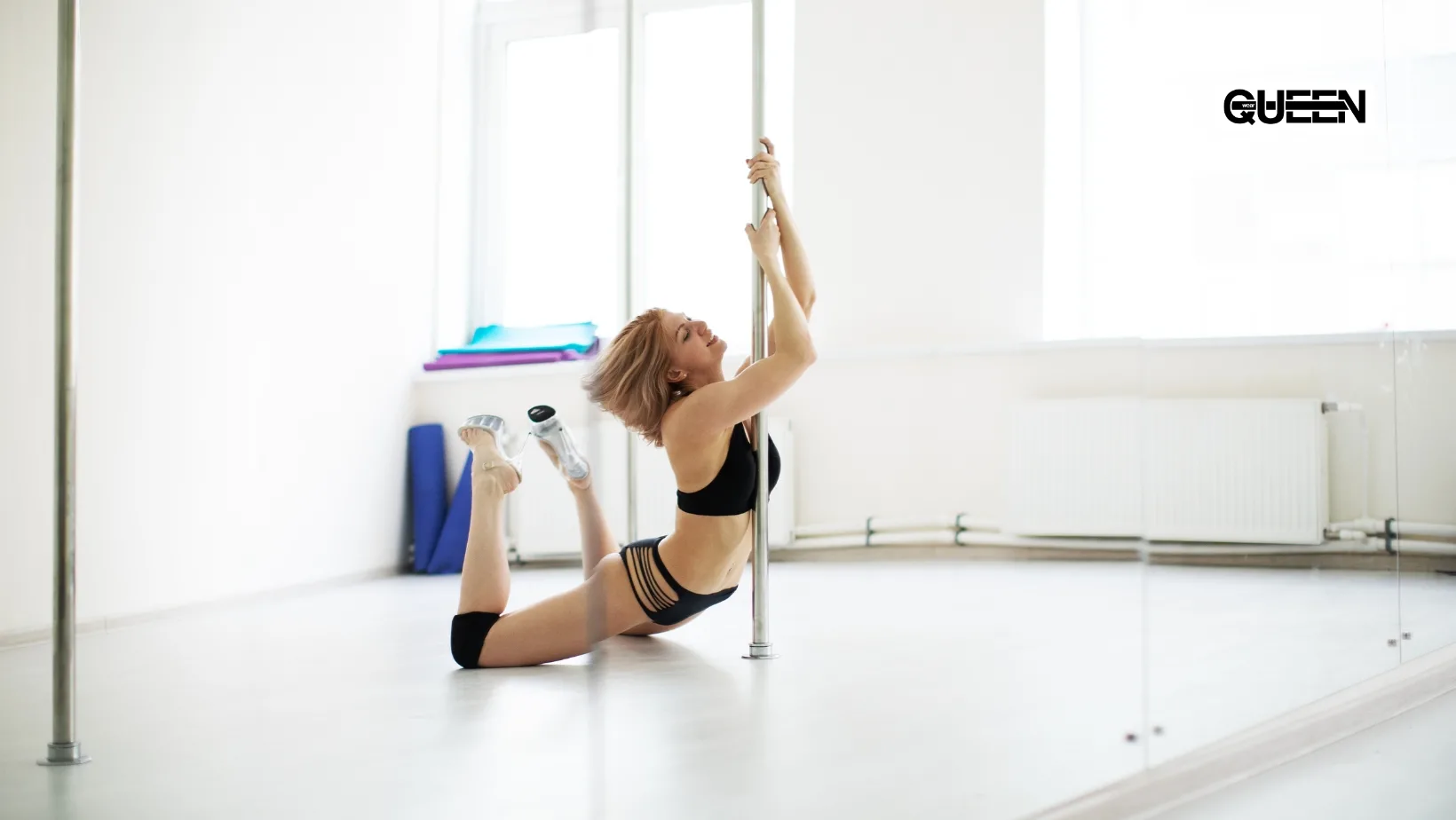
Pole dancing combines strength, flexibility, coordination and dance. It may look difficult from the outside, but beginner classes are designed for people who have never touched a pole and may not have any previous dance or fitness experience.
You do not need strong arms, perfect flexibility or a certain body type to begin. A qualified instructor will introduce the basic grips, steps and spins gradually while helping you build the strength needed for more advanced movements.
Here is what you should know about pole dancing for beginners, from choosing a class to preparing for your first training session.
Is Pole Dancing Hard for Beginners?
Pole dancing can be challenging, especially when you first learn to coordinate your hands, legs and body around the pole. However, beginner movements are adapted to your current strength and experience.
During your first classes, you will usually practise:
- walking around the pole;
- basic hand placement;
- simple spins;
- controlled transitions;
- beginner poses;
- conditioning exercises;
- safe ways to enter and exit movements.
You are not expected to climb or perform inversions immediately. Progress depends on regular practice, correct technique and giving your body enough time to adapt.
Some skills will feel natural, while others may take several weeks. This is normal. Pole dancing uses grip strength, skin contact and movement patterns that most beginners have not trained before.
How to Start Pole Dancing
The safest way to start is by joining a beginner class at a professional pole studio. Look for a lesson clearly labelled as introductory, beginner, fundamentals or level one.
A structured class gives you access to:
- properly installed equipment;
- an instructor who can correct your technique;
- suitable progressions for your level;
- guidance on grip and body placement;
- safe strength and flexibility exercises.
Avoid learning complex tricks from short social media videos before understanding the basics. A movement that looks simple may require specific points of contact, muscle engagement and an experienced spotter.
Before booking, check whether the class focuses on pole fitness, tricks, choreography or exotic pole. These formats may require different clothing and equipment.
What Happens in a Beginner Pole Class?
Most beginner lessons begin with a warm-up that prepares the wrists, shoulders, hips, knees and core. You may then complete basic conditioning exercises before working directly with the pole.
A typical class may include:
- A full-body warm-up.
- Grip and posture practice.
- Walking and turning around the pole.
- One or two beginner spins.
- A simple transition or pose.
- Strength exercises.
- Stretching and a cool-down.
Instructors usually demonstrate each movement and then break it into smaller stages. You may practise on both sides, even if one direction feels much easier.
Beginner classes should prioritise control rather than speed. It is better to perform one simple spin safely than to rush into a difficult combination with poor technique.
What to Wear to Pole Dancing
The best beginner outfit is fitted, stretchy and secure. Pole dance requires direct contact between the skin and the pole, so shorts are more practical than full-length leggings for many movements.
A basic outfit includes:
- fitted shorts;
- a sports bra or supportive crop top;
- bare feet;
- an optional warm layer for stretching;
- knee pads if the lesson includes floorwork.
Choose clothing that does not shift when you bend, lift your arms or open your legs. You should be able to focus on the instructor instead of constantly adjusting your outfit.
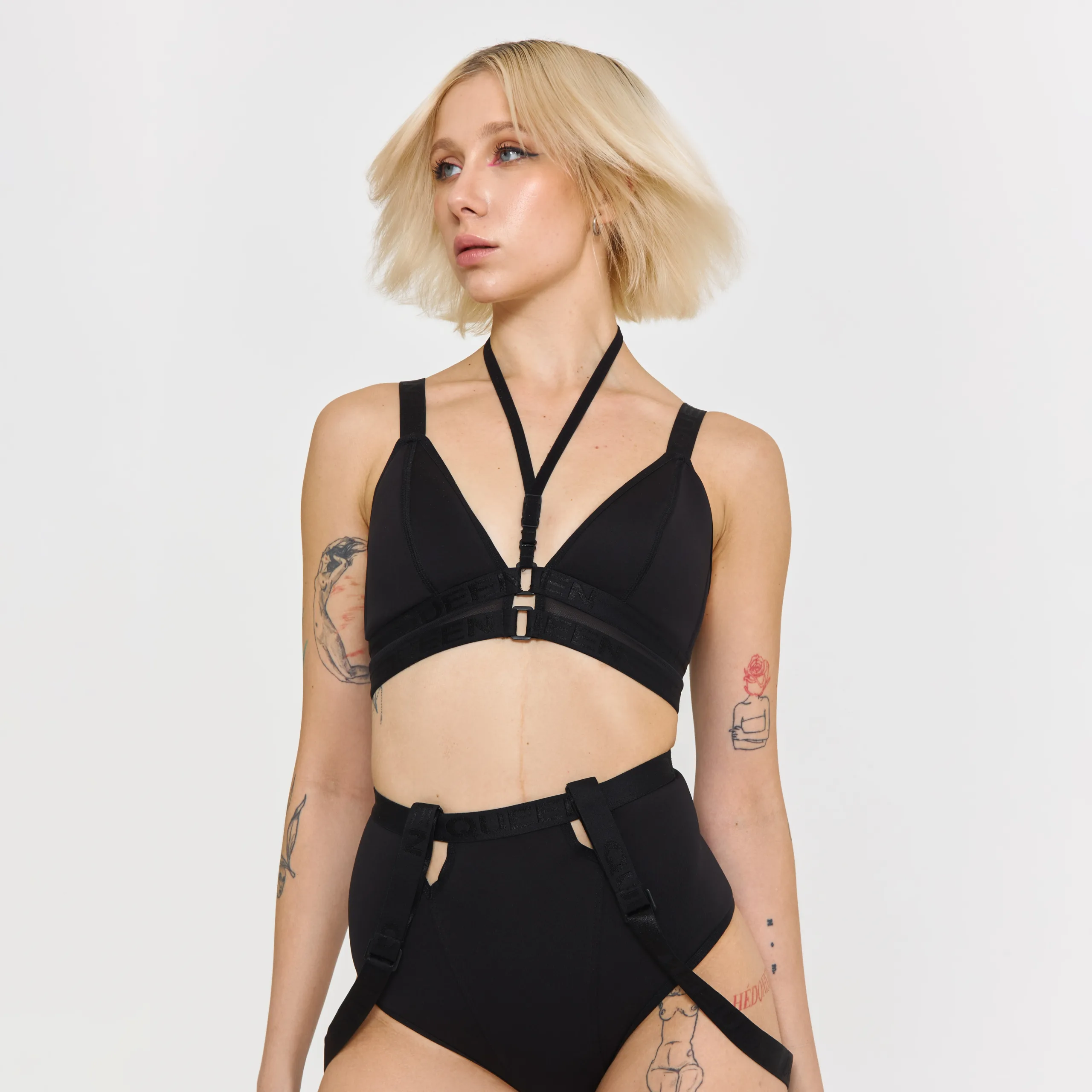
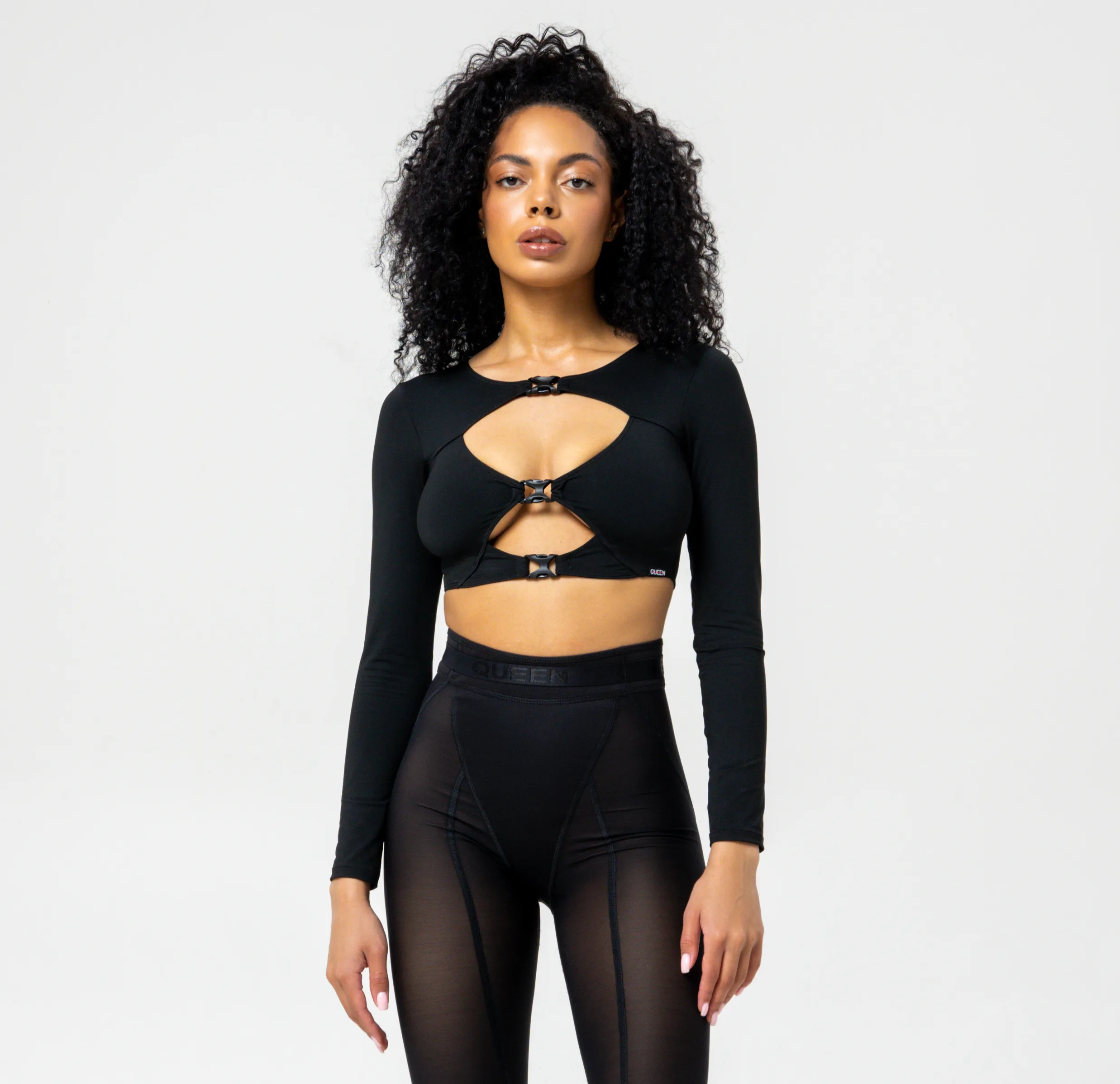
Explore the Queen Wear pole dance clothing collection for pieces designed to support movement while leaving the necessary grip points uncovered.
Shorts for skin contact
Your thighs and the backs of your knees may be used to grip the pole. Loose shorts or long trousers can cover these areas and make certain positions more difficult.
Dedicated pole dance shorts provide flexibility and secure coverage during spins, stretches and leg movements.
A supportive top
A sports bra or fitted top should remain stable when you raise your arms and rotate your torso. Avoid oversized T-shirts because they may lift during movement and hide your body alignment.
Choose pole dance tops with secure straps, comfortable support and enough stretch through the shoulders.
Do You Need Heels?
You normally do not need heels for a standard beginner pole fitness class. Most introductory lessons are taught barefoot so that students can feel the floor and concentrate on foot placement.
Platform heels are more commonly used in exotic pole and heels choreography. If you have booked this type of class, check the studio’s instructions before attending.
Do not use ordinary fashion stilettos as a substitute for pole heels. Their construction is not designed for pole dance transitions, floorwork or repeated impact.
Do Beginners Need Knee Pads?
Knee pads are useful when a class includes kneeling, slides or floor-based choreography. They may not be necessary for a lesson focused on spins, climbs and conditioning.
Dance-specific pole dance knee pads are designed to bend with the leg while protecting the kneecap. They are generally less bulky than volleyball or skating pads.
Ask the studio whether knee pads are recommended. Keeping a pair in your training bag is helpful because the content of each lesson may change.
What to Bring to Your First Class
You do not need a large amount of equipment. Pack:
- a bottle of water;
- a small towel;
- fitted shorts and a secure top;
- knee pads if required;
- socks for the warm-up;
- a hair tie;
- a warm layer for before and after class.
Some studios provide pole-cleaning products and grip aids. Do not apply grip products without asking the instructor, especially during your first lesson. They can assess whether you need one and explain how to use it correctly.
Avoid Lotion Before Training
Do not apply body oil, rich lotion or greasy skincare products before a pole class. They can make your hands and body slippery, reducing friction against the pole.
This is particularly important for:
- palms;
- arms;
- thighs;
- knees;
- waist and sides.
If your skin is dry, moisturise the evening before and arrive at the studio with clean, dry skin.
Remove rings, bracelets, watches and long necklaces as well. Jewellery can affect your grip, catch on clothing or scratch the pole.
What Strength Do You Need?
You do not need to be strong before starting pole dancing. Beginner training itself develops the muscles required for future skills.
Pole classes gradually strengthen the:
- hands and forearms;
- shoulders and upper back;
- arms;
- core;
- glutes;
- inner thighs;
- legs.
At first, your hands may tire quickly and your body may struggle to maintain new positions. Consistent practice will improve endurance and coordination.
Useful exercises outside class include squats, rows, planks, dead bugs and controlled shoulder exercises. However, additional workouts are optional. One or two pole classes per week can already create noticeable progress for a beginner.
Do You Need to Be Flexible?
Flexibility is not a requirement for starting pole dance. Many impressive beginner movements depend more on positioning and control than on splits or deep backbends.
Classes usually include mobility exercises for the shoulders, hips and legs. With consistent training, your active range of motion may gradually improve.
Do not force stretches to match advanced dancers. Flexibility develops at different speeds, and overstretching can lead to injury. Concentrate on controlled movement and follow your instructor’s corrections.
Bruises and Skin Discomfort
Minor bruises are common when beginners start using new areas of the body to grip the pole. The thighs, knees, ankles and upper arms may feel sensitive after class.
This discomfort usually decreases as your technique improves and your skin adapts. However, sharp pain, joint pain, swelling or instability should not be ignored.
To reduce unnecessary discomfort:
- warm up properly;
- learn each contact point slowly;
- avoid jumping into positions;
- use knee pads for floorwork;
- allow recovery time between sessions;
- stop when a movement causes sharp pain.
Bruising is not proof that a training session was effective. Good technique and gradual progression matter more.
How Often Should Beginners Train?
One or two classes per week is a realistic starting point for most beginners. This provides enough repetition to remember movements while giving the hands, shoulders and skin time to recover.
More frequent training is not always better. Your body needs time to adapt to new grip demands and weight-bearing positions.
A simple beginner schedule may include:
- one or two pole classes;
- one short flexibility or mobility session;
- optional strength training;
- at least one full recovery day.
Consistency is more valuable than completing several intense sessions and then taking a long break.
How Long Does It Take to Improve?
There is no universal timeline. Progress depends on training frequency, previous movement experience, recovery and the specific skills you are learning.
During the first few months, many beginners notice improvements in:
- grip strength;
- confidence around the pole;
- body awareness;
- coordination;
- ability to remember combinations;
- upper-body and core strength.
Avoid comparing your progress with people in the same class. Someone with experience in gymnastics, climbing or dance may develop certain skills faster, while you may find other movements easier.
Track your own development through short videos, notes or a list of completed skills. Celebrate controlled technique rather than only advanced tricks.
Common Beginner Mistakes
Trying advanced moves too soon
Build a foundation before attempting inversions, drops or complex holds. Advanced skills require strength and reliable contact points.
Training only one side
Practise movements in both directions. One side will usually feel more coordinated, but balanced training helps prevent major strength differences.
Holding your breath
Breathe through spins and strength exercises. Holding your breath creates unnecessary tension and makes movements harder to control.
Comparing yourself with others
Every beginner starts with different strengths. Focus on what your body can perform safely today.
Wearing unsuitable clothing
Long trousers, loose shorts and unstable tops may interfere with grip. Choose fitted pole wear that stays in place during movement.
Ignoring recovery
Hands, shoulders and skin may need time to recover after a new class. Rest is part of progress, not a sign that you are falling behind.
Building Confidence as a Beginner
Feeling nervous before your first lesson is normal. Pole studios welcome people of different ages, body types and fitness levels, and no one expects a beginner to perform perfectly.
Arrive early, tell the instructor that it is your first class and ask questions whenever a movement feels unclear. Give yourself permission to repeat the easiest version of an exercise.
The goal of your first lesson is not to master pole dancing. It is to understand the basic technique, learn how the pole feels and decide whether you enjoy the training style.
Start with suitable clothing, realistic expectations and a class designed for beginners. As your strength and confidence grow, you can gradually explore spins, climbs, choreography, heels and more advanced combinations.
Complete your first training outfit with secure pole dance clothing from Queen Wear, including supportive tops, flexible shorts and protective knee pads.