




 UA
 PL
Is Pole Dancing Hard? What to Really Expect as a Beginner
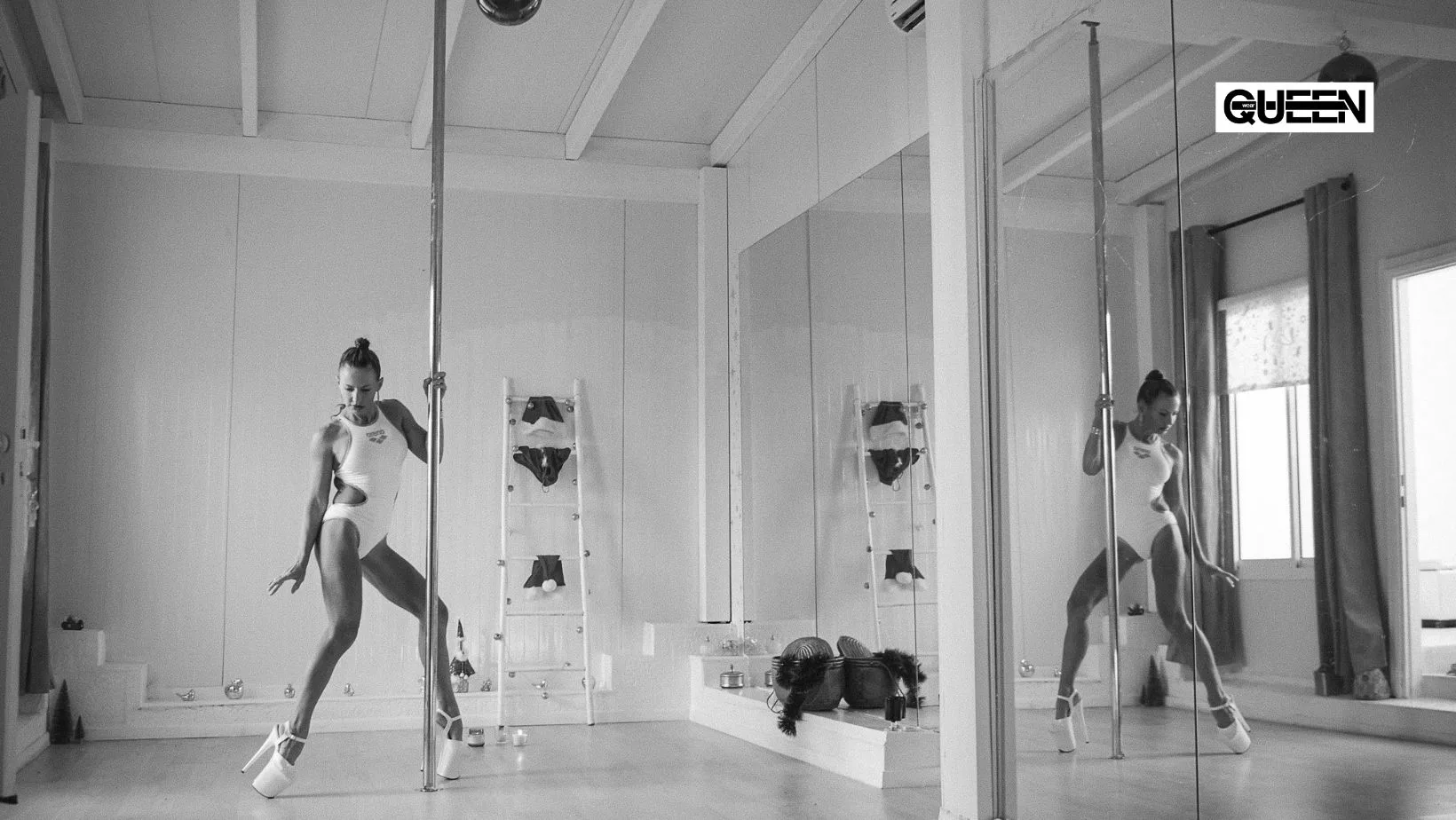
If you are thinking about trying pole dance, one question comes up quickly: is pole dancing hard?
The short answer is yes — but not in the way many beginners expect.
Pole dance challenges strength, coordination, grip and body awareness at the same time. Some movements may feel awkward at first, and your hands, shoulders and skin need time to adapt. But beginner classes are designed around that learning process.
You do not need to be strong, flexible or experienced before you start.
Why Does Pole Dance Feel Hard at First?
Most beginners are learning several new skills at once.
Pole dance requires you to coordinate:
- your hands;
- legs;
- core;
- shoulders;
- grip;
- body position;
- momentum.
Even a simple spin may involve more coordination than it looks like from the outside.
The first few classes often feel mentally challenging because you are learning where to place your hands, which leg moves first and how close your body should be to the pole.
That becomes easier with repetition.
Do You Need to Be Strong Before Starting?
No.
You do not need to build upper-body strength before joining your first class.
Beginner pole training itself develops:
- grip strength;
- shoulder stability;
- back strength;
- core control;
- leg strength.
At first, you may not be able to hold your body weight for long. That is completely normal.
Your technique also improves over time, so movements that initially feel very demanding often become easier even before you notice a major increase in strength.
What Usually Feels Hardest for Beginners?
Different people struggle with different things, but several challenges are common.
Grip
Your hands may tire quickly or slide on the pole.
This usually improves as your grip strength develops and you learn how much pressure each movement actually requires.
Spins
Beginners often use too much or too little momentum.
Learning to control the entry into a spin is usually more important than trying to spin faster.
Climbing
The first pole climb can feel difficult because beginners often try to pull themselves upward using only their arms.
Good climbing technique uses the legs and lower body as well.
Skin contact
Pole sits and thigh holds can feel uncomfortable at first because the skin is not used to pressure against the pole.
This normally becomes easier as your body adapts and your technique improves.
Coordination
Sometimes the hardest part is simply remembering what every part of the body should be doing.
That is why repeating simple movements is such an important part of beginner training.
Is Flexibility Necessary?
No.
You do not need to be able to do the splits, backbends or advanced stretches before starting pole dance.
Flexibility can help later with certain shapes, but beginner training focuses much more on:
- movement control;
- basic spins;
- simple holds;
- conditioning;
- coordination.
Mobility and flexibility can be developed gradually alongside pole training.
How Long Does It Take to Learn Pole Dancing?
There is no fixed timeline.
Your pole dance progress depends on:
- how often you train;
- previous movement experience;
- strength and mobility;
- recovery;
- consistency;
- the skills you are learning.
Some movements may click during the first class. Others can take several weeks or months.
For many beginners, progress looks less like a straight line and more like this:
new movement → confusion → repetition → small improvement → sudden breakthrough
That is normal.
What Can You Expect in Your First Month?
During the first few weeks, you will usually focus on basics rather than advanced tricks.
You may learn:
- pole walks;
- simple turns;
- beginner spins;
- basic floor transitions;
- conditioning exercises;
- introductory holds;
- preparation for climbing.
You may also notice that your hands and forearms tire quickly.
By the end of the first month, many beginners feel more comfortable moving around the pole even if they are still working on the same basic skills.
What About the First Three Months?
With regular training, the first few months often bring noticeable changes.
You may begin to:
- remember combinations more easily;
- hold spins for longer;
- climb with better technique;
- understand your grip points;
- move more smoothly between positions;
- feel stronger through the shoulders and core.
Not every student reaches the same skills at the same time.
Progress should be measured against your own previous ability, not the person training next to you.
How Often Should Beginners Train?
One or two classes per week is a practical starting point for many beginners.
This gives you regular practice while leaving enough time for recovery.
Pole dance places new demands on:
- hands;
- forearms;
- shoulders;
- upper back;
- inner thighs;
- skin.
Training every day is not necessary for progress.
Consistent sessions with enough recovery usually work better than doing too much too soon.
Does Pole Dance Hurt?
Some discomfort can happen, especially when learning moves that use direct skin contact.
Common beginner experiences include:
- mild bruising;
- tenderness on the inner thighs;
- tired hands;
- muscle soreness after class.
But sharp pain, joint pain or significant swelling should not be treated as a normal part of learning.
A good instructor will help you distinguish between normal training discomfort and something that means you should stop.
Do You Need Special Pole Clothes?
For your first class, you do not need a large pole wardrobe.
A simple outfit can include:
- fitted shorts;
- a supportive top or sports bra;
- bare feet for technical training;
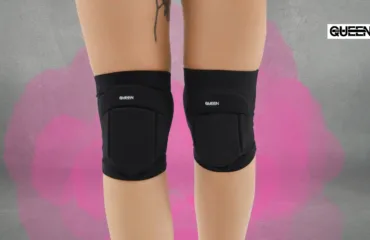
- knee pads if the class includes floorwork.
Shorts are useful because many pole movements rely on skin contact with the thighs and knees.
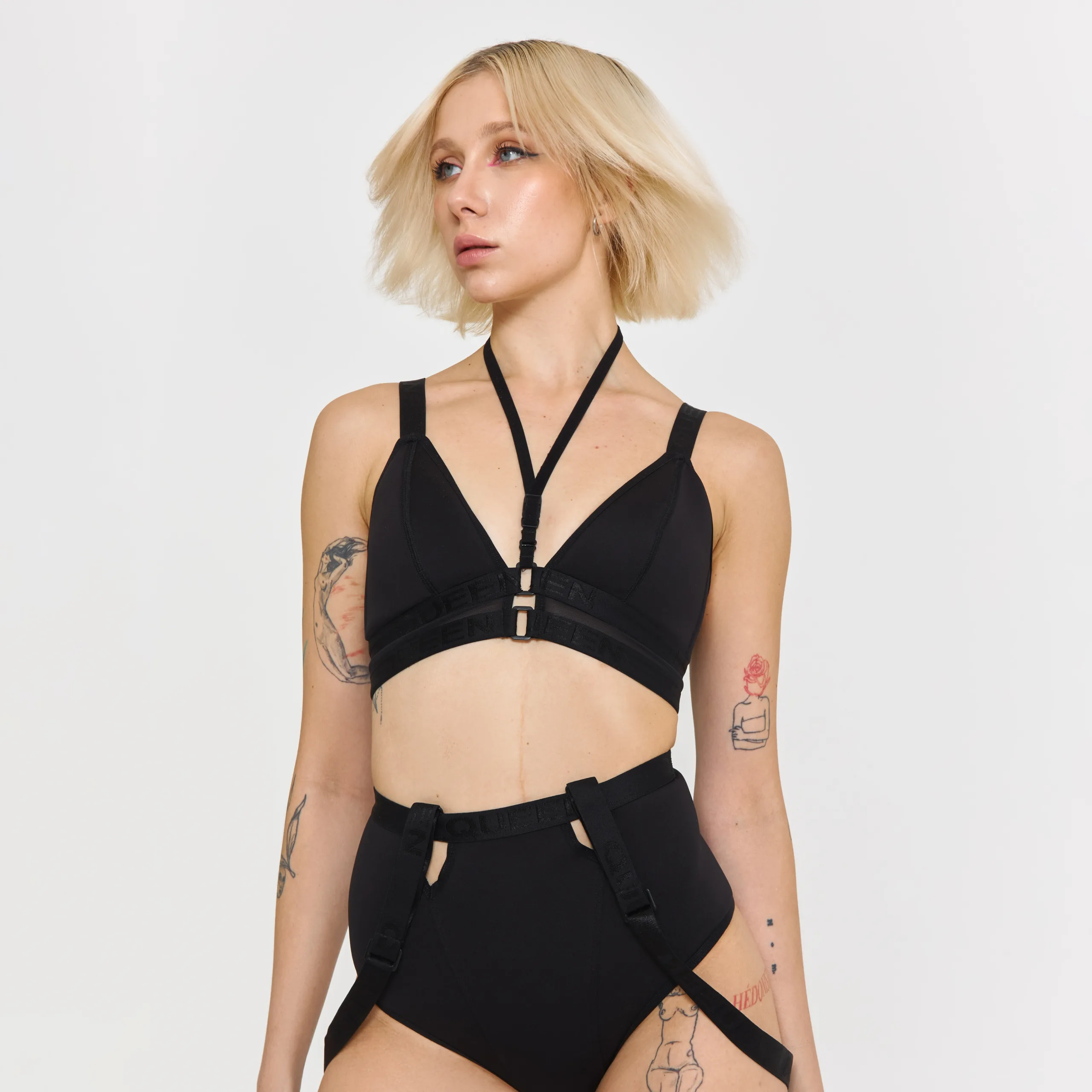
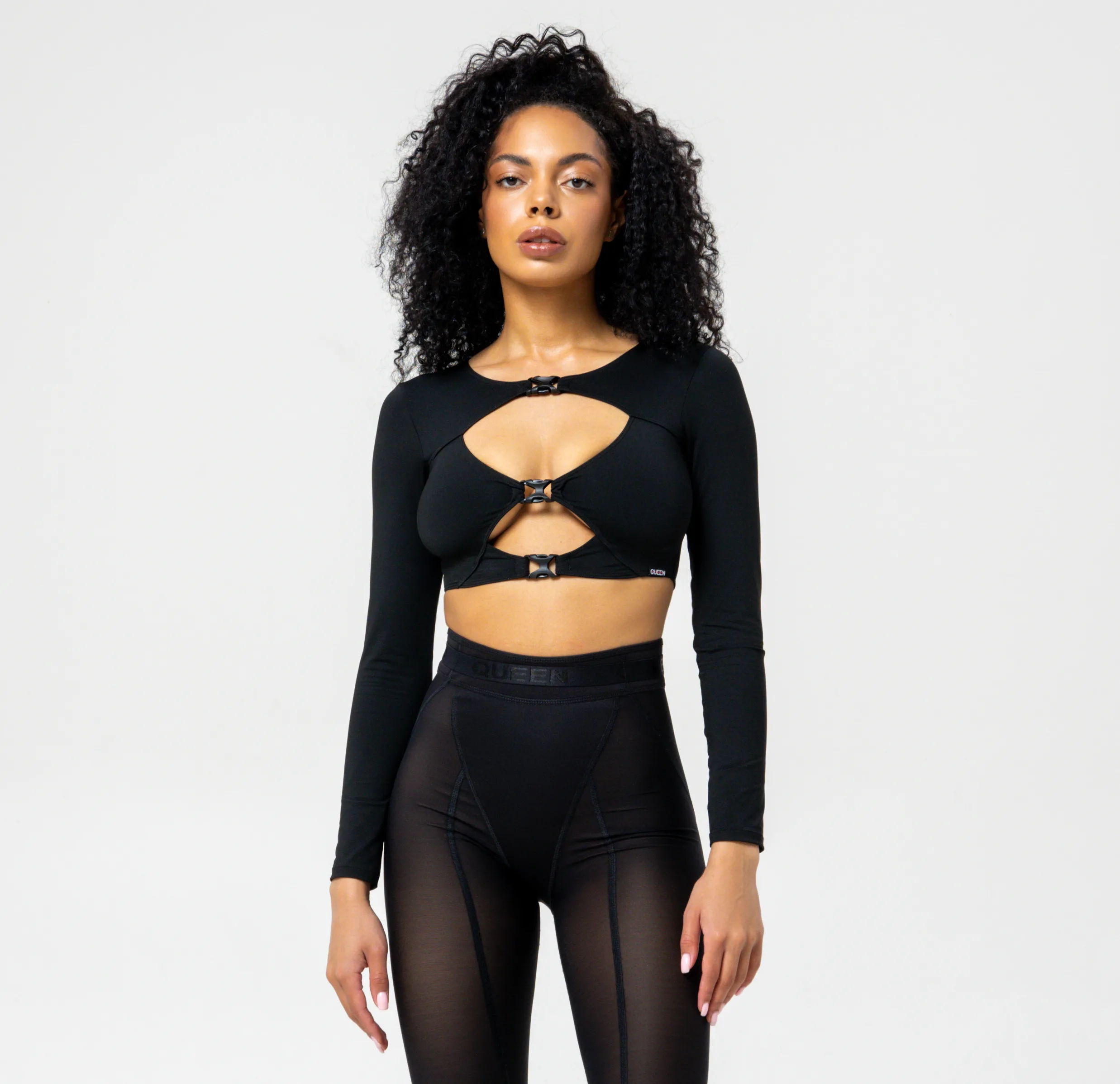
You can explore Queen Wear pole dance clothing for shorts, tops, bodysuits and training sets designed specifically for pole movement.
What Makes Pole Dance Easier Over Time?
Three things make the biggest difference.
Technique
Better positioning reduces unnecessary effort.
Strength
Your hands, shoulders, legs and core gradually become stronger.
Familiarity
Movements that initially feel complicated become automatic after enough repetition.
This is why a move can suddenly feel much easier even when you do not feel dramatically stronger.
Common Beginner Expectations to Drop
“I need to get fit before I start”
You can build the required strength through pole training itself.
“Everyone else will be better than me”
Beginner classes usually include people with very different backgrounds and starting points.
“I should climb quickly”
Some people climb early. Others need more time to develop technique and leg engagement.
“If I cannot do a move immediately, I am bad at pole”
Pole dance involves unusual movement patterns. Repetition is part of learning.
“Advanced tricks are the main goal”
Good basics make advanced skills safer and much easier later.
How to Make Your First Classes Easier
A few simple habits help.
- Arrive well hydrated.
- Avoid oily body lotion before class.
- Wear fitted shorts and a secure top.
- Listen to technique corrections.
- Practise both sides.
- Take breaks when your grip or shoulders are tired.
- Do not rush into advanced tricks.
- Give your body time to recover.
Most importantly, expect the first classes to feel unfamiliar.
That is not a sign that pole dance is “too hard” for you. It is simply a new physical skill.
So, Is Pole Dancing Hard?
Pole dancing is challenging, but beginner pole is designed to be learned gradually.
At first, grip, coordination, skin contact and strength can all feel unfamiliar. Over time, your body adapts, your technique becomes cleaner and movements that once felt impossible start to feel normal.
You do not need to arrive strong, flexible or confident.
You just need to start at the right level, practise consistently and allow your progress to happen step by step.
For your first classes, explore Queen Wear Pole Wear with shorts, tops, bodysuits and other pieces designed for pole training.