




 UA
UA  PL
PL Do You Need Knee Pads for Pole Dancing?
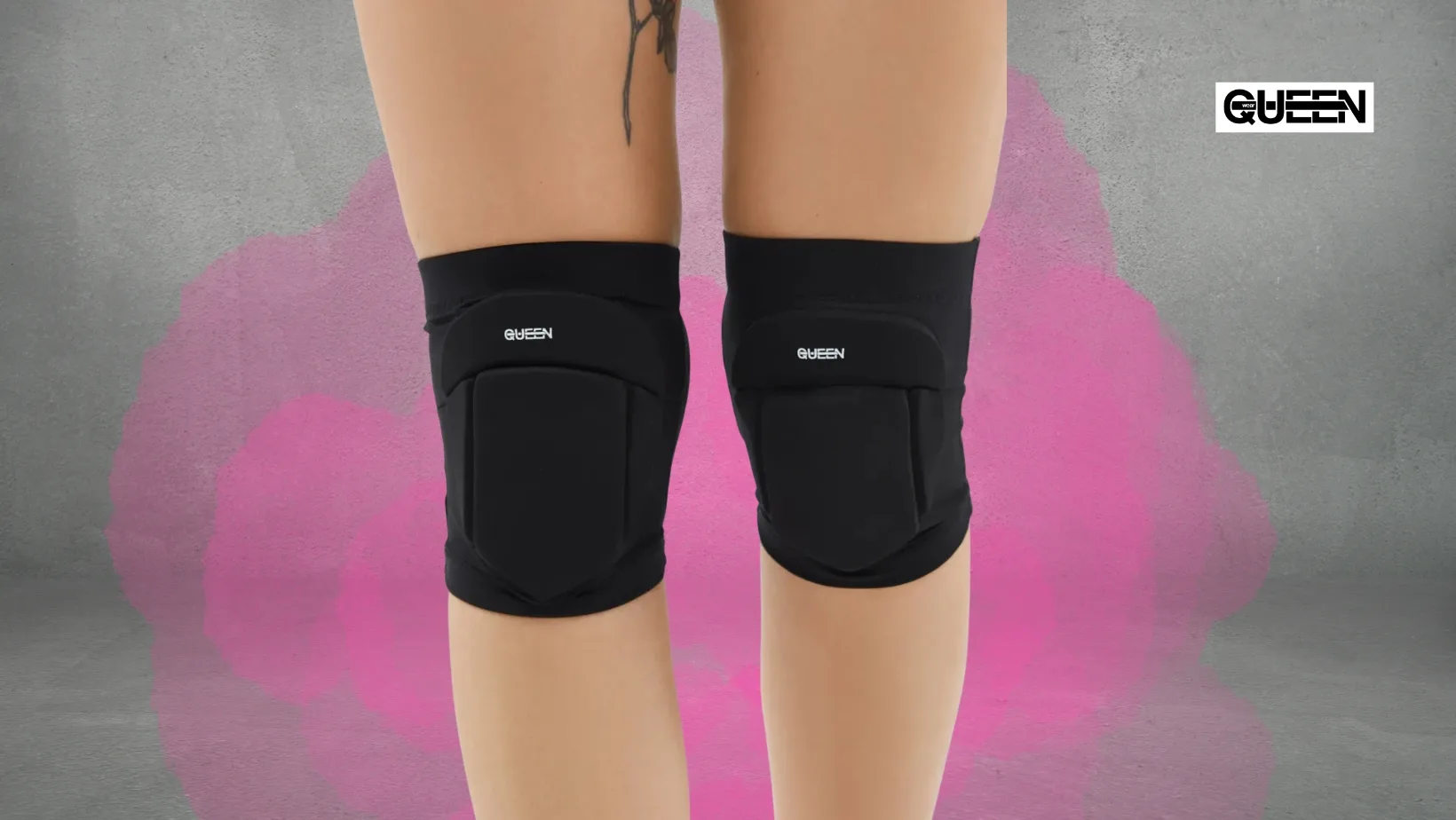
Pole dance knee pads are not required for every class, but they can make training safer and more comfortable when choreography includes kneeling, slides, drops or floorwork.
For a basic pole fitness lesson focused on spins, climbs and strength exercises, you may not need them. For exotic pole, heels choreography and floor-based combinations, knee protection is often one of the most useful pieces of equipment.
The right choice depends on your class style, training surface and sensitivity to pressure around the knees.
When Do You Need Knee Pads for Pole?
Knee pads are recommended when your training includes repeated contact between the knees and the floor.
They are particularly useful for:
- floorwork;
- knee slides;
- transitions through kneeling positions;
- heel choreography;
- exotic pole combinations;
- low-flow routines;
- practising the same movement repeatedly.
Even a smooth studio floor can cause bruising, friction or discomfort after multiple repetitions. Padding reduces direct pressure on the kneecap and allows you to focus on movement quality instead of anticipating pain.
Browse the Queen Wear knee pads collection for models designed for pole dance, floorwork and heels training.
When Are Knee Pads Optional?
You may not need knee pads during a class focused mainly on:
- warm-ups and stretching;
- basic spins;
- climbs;
- static holds;
- upper-body conditioning;
- pole tricks performed away from the floor.
Some dancers also prefer practising simple kneeling positions without padding to develop control and understand how their weight should be distributed.
However, training without knee pads should not mean repeatedly dropping your full weight onto the kneecap. Technique remains important whether you wear protection or not.
Do Beginners Need Knee Pads?
Beginners do not always need knee pads for their very first pole class. It depends on what the instructor plans to teach.
For a standard beginner pole fitness lesson, fitted shorts and a supportive top may be enough. If the class includes floorwork or choreography, bringing knee pads is a sensible precaution.
They can help beginners feel more confident because they:
- reduce discomfort during unfamiliar movements;
- make kneeling transitions less intimidating;
- allow more repetitions;
- help dancers concentrate on technique;
- protect sensitive knees from friction.
Check the class description or ask the studio before attending. Some instructors list knee pads as required equipment, while others introduce them only in later lessons.
Pole Fitness vs Exotic Pole
The need for knee pads often depends on the type of class.
Pole fitness and tricks
Pole fitness classes usually focus on spins, climbs, holds and strength. The knees may touch the floor during the warm-up or transitions, but protection is not always essential.
Exotic pole and heels choreography
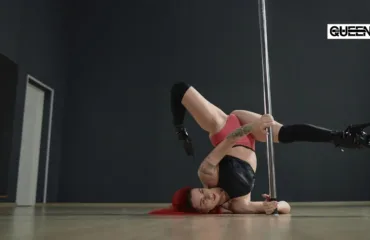
Exotic pole and High Heels classes often include:
- knee slides;
- leg sweeps;
- body waves close to the floor;
- controlled drops to the knees;
- crawling movements;
- repeated transitions between standing and kneeling.
For these classes, knee pads are strongly recommended. They make it easier to train confidently and repeat choreography without excessive bruising.
Floorwork classes
Floorwork places the knees in frequent contact with the ground. Knee protection is usually an essential part of the outfit, especially during longer combinations.
Why Regular Sports Knee Pads May Not Work
Volleyball, skating and construction knee pads are designed for different types of impact. They may provide protection, but they are often too bulky for dance.
Traditional sports models can:
- restrict knee bending;
- create heavy visual lines;
- move during slides;
- catch against the floor;
- feel uncomfortable during leg extensions.
Dedicated pole dance knee pads are usually slimmer and more flexible. They are designed to follow the movement of the leg while protecting the front and sides of the knee.
How Should Pole Dance Knee Pads Fit?
Knee pads should feel secure but not painfully tight.
A good fit means they:
- remain in place while walking and kneeling;
- do not roll down;
- bend comfortably with the knee;
- do not restrict circulation;
- provide coverage over the kneecap;
- do not create excessive pressure behind the knee.
Test them by performing a squat, kneeling, straightening the legs and sliding each foot backward. The pads should move with your body rather than shifting away from the kneecap.
If they leave deep marks, cause numbness or restrict movement, they may be too small. If they rotate or slide down, they may be too large or insufficiently adjustable.
Adjustable knee pads can be helpful when you need more control over the fit.
How Much Padding Do You Need?
More padding is not always better. The ideal level depends on the intensity of the choreography and how much contact you have with the floor.
Light padding
Soft, slim knee pads work well for:
- controlled floorwork;
- slower choreography;
- dancers who want discreet protection;
- routines where clean leg lines matter.
Explore soft knee pads if you prefer flexible protection with less bulk.
Stronger cushioning
Thicker or gel padding may be more suitable for:
- repeated knee drops;
- intensive heels classes;
- hard studio floors;
- sensitive knees;
- longer rehearsal sessions.
Gel knee pads distribute pressure and provide additional cushioning during demanding floorwork.
Do Knee Pads Affect Grip on the Pole?
Standard fabric knee pads can reduce grip if the covered knee needs to contact the pole.
This matters during tricks that use the back or side of the knee to hold the body. If the material is slippery, it may make the position more difficult.
For classes combining pole tricks and floorwork, you can:
- lower the pads when working on knee grips;
- remove them during trick sections;
- choose models with grip panels;
- ask the instructor when protection should be worn.
Knee pads with grip can support contact with the pole while still protecting the knee during floorwork.
However, grippy material does not replace correct technique. You still need proper leg placement and controlled weight distribution.
Can Knee Pads Prevent All Bruising?
Knee pads reduce pressure, friction and minor impacts, but they cannot prevent every bruise or injury.
Bruising may still occur because of:
- incorrect weight placement;
- uncontrolled drops;
- pads that move during training;
- insufficient cushioning;
- repeated pressure around the sides of the knee;
- contact with the pole rather than the floor.
Protection works best when combined with slow practice and proper instruction. Learn how to lower yourself toward the floor with muscular control instead of dropping directly onto the knees.
Stop training if you experience sharp pain, swelling, instability or pain inside the joint. Knee pads are not a solution for an existing injury.
What to Look for When Buying Knee Pads
Before choosing a pair, consider:
- the type of pole classes you attend;
- the hardness of the studio floor;
- your preferred level of cushioning;
- whether you need grip against the pole;
- how much flexibility the choreography requires;
- whether the padding can be replaced.
Models with changeable pads allow you to replace worn inserts without buying a completely new pair.
Colour may also matter for performances and photoshoots. Neutral shades blend with the skin, while black knee pads are versatile for regular studio outfits.
How to Care for Pole Dance Knee Pads
Knee pads absorb sweat and come into direct contact with the studio floor, so they should be cleaned regularly.
Follow the manufacturer’s instructions and:
- remove inserts when the design allows;
- close straps before washing;
- use a gentle cycle or hand wash;
- avoid harsh bleach;
- allow them to air-dry fully;
- do not store them damp in a training bag.
Check the padding and seams regularly. Replace the pads or inserts when the cushioning becomes compressed, uneven or damaged.
Are Pole Dance Knee Pads Worth It?
Knee pads are worth buying if your classes regularly include floorwork, heels choreography or repeated kneeling movements. They improve comfort, make practice less intimidating and allow you to repeat combinations with greater confidence.
They are less important for classes focused only on spins, climbs and aerial tricks, although keeping a pair in your training bag is still useful when the lesson format changes.
Choose protection that fits securely, bends naturally and matches the intensity of your training. Explore Queen Wear knee pads for pole dancing to find soft, gel, adjustable and grip-enhanced options for different dance styles.