




 UA
UA  PL
PL Grippy Knee Pads vs Regular Knee Pads: What Is Better for Pole Dance?
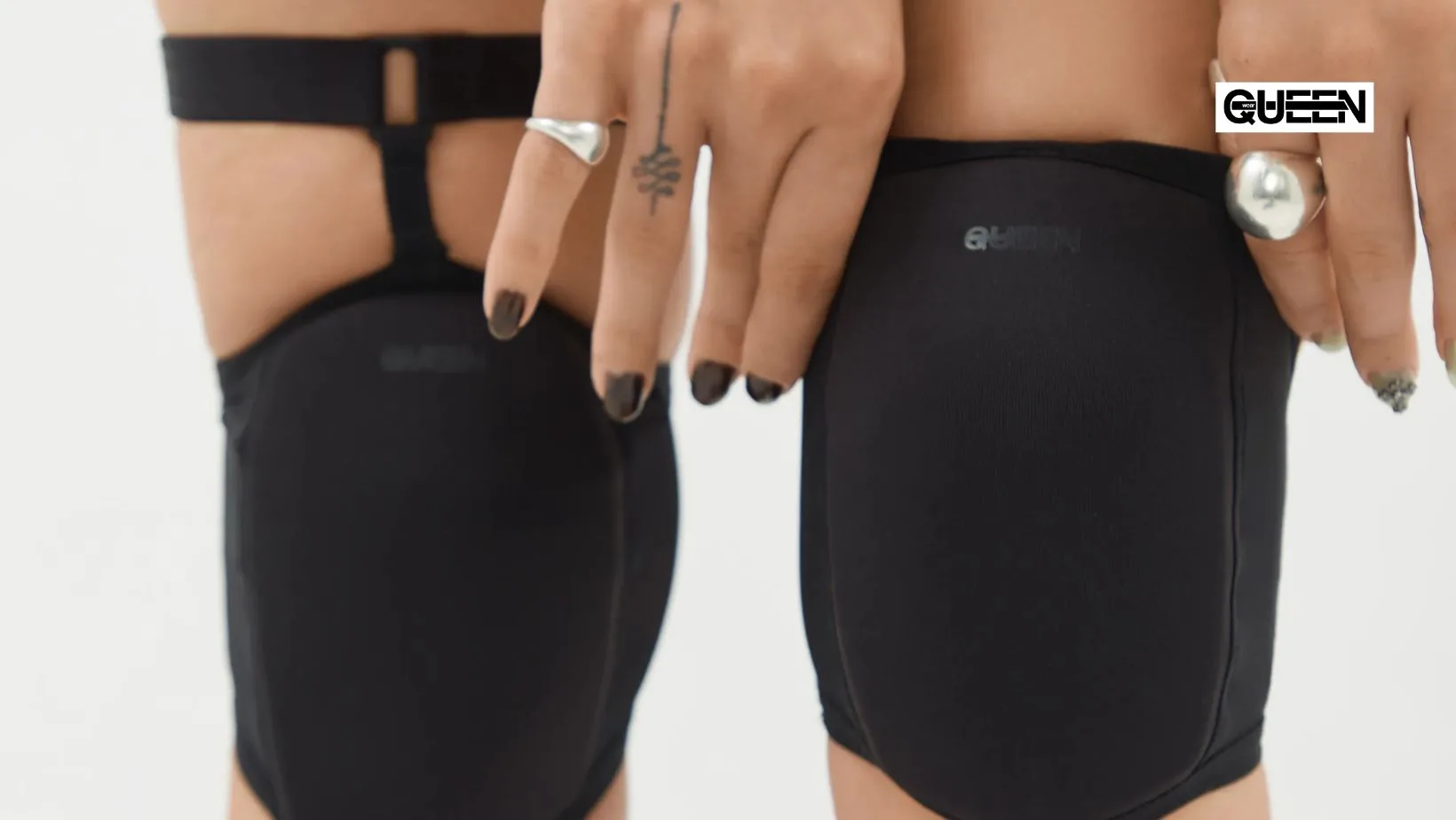
Choosing between grippy knee pads and regular knee pads can make your pole dance training more comfortable and effective. Both options protect your knees, but they are designed for slightly different needs. Regular knee pads are usually best for floor work and choreography, while grippy knee pads give extra contact with the pole during tricks and transitions.
In pole dance, your knees often touch the floor during low flow, exotic pole, heels classes and floor-based movement. At the same time, some pole moves require knee contact with the pole. That is where the type of knee pads you choose becomes important.
In this guide, we will explain the difference between regular and grippy knee pads, when to use each type and how to choose the best option for your training style. You can also explore Queen Wear’s grippy knee pads if you need extra pole contact during your practice.
What Are Regular Pole Dance Knee Pads?
Regular pole dance knee pads are designed mainly to protect your knees during floor work. They usually have soft padding around the kneecap and flexible fabric that allows you to move, bend and slide comfortably.
They are especially useful for classes that include:
- floor work;
- low flow;
- heels choreography;
- exotic pole;
- beginner transitions;
- repeated movement on the floor.
Regular knee pads help reduce pressure and friction when your knees touch the floor. They are a good choice if your training is mostly focused on choreography, sensual flow or dance movement rather than knee-based pole tricks.
What Are Grippy Knee Pads?
Grippy knee pads are knee pads with additional grip panels or sticky areas that help create contact with the pole. They are designed for dancers who need knee protection but also want better control when the knee touches the pole.
This can be useful for certain pole tricks, transitions and contact-based movements where regular fabric may slide too much.
Grippy knee pads are helpful when you need:
- extra contact with the pole;
- more control during knee-based moves;
- protection without losing grip;
- support during transitions involving the knees;
- confidence when learning new contact tricks.
If your training includes both floor work and pole contact, knee pads with grip can be a practical option.
Main Difference Between Grippy and Regular Knee Pads
The main difference is simple: regular knee pads protect your knees on the floor, while grippy knee pads protect your knees and help you grip the pole.
Regular knee pads are usually smoother on the outside, which can make floor movement easier. They allow you to slide, turn and transition across the floor without too much resistance.
Grippy knee pads have a surface that helps create friction against the pole. This can make them better for tricks but slightly less smooth for floor movement, depending on the design.
When to Choose Regular Knee Pads
Regular knee pads are a great choice if your main goal is floor protection. They are often more comfortable for choreography and movement across the floor because they are designed to reduce impact and pressure without adding extra grip.
Choose regular knee pads if you mostly train:
- floor work;
- low flow;
- heels dance;
- exotic choreography;
- warm-up sequences;
- beginner floor transitions.
They are also a good option if you do not need knee grip on the pole yet. For many beginners, regular knee pads are enough for the first classes.
You can browse Queen Wear’s pole dance knee pads if you want comfortable protection for floor work, heels and studio training.
When to Choose Grippy Knee Pads
Grippy knee pads are better if your training includes moves where your knees need to contact the pole. They give more security than regular fabric and can help you feel more stable during certain tricks.
Choose grippy knee pads if you train:
- pole tricks with knee contact;
- transitions involving the pole;
- contact-based choreography;
- moves where regular knee pads feel too slippery;
- combinations that mix floor work and pole grip.
They can also be useful for dancers who want more confidence while learning new movements. The extra grip can make some transitions feel more controlled.
Are Grippy Knee Pads Good for Beginners?
Yes, grippy knee pads can be good for beginners, but they are not always necessary from the first class. If your beginner class focuses mostly on basic spins, conditioning or floor movement, regular knee pads may be enough.
However, if your studio teaches floor work and pole contact early, grippy knee pads can be helpful. They give extra control and may reduce the feeling of slipping during certain movements.
For beginners, the best choice depends on the class type:
- choose regular knee pads for floor work and choreography;
- choose grippy knee pads for pole contact and grip-based moves;
- choose both if you train different styles regularly.
Comfort and Fit Matter Most
Whether you choose regular or grippy knee pads, comfort and fit are essential. Knee pads should stay in place during movement, but they should not dig into your skin or make it hard to bend your knees.
Good knee pads should feel:
- secure;
- flexible;
- soft around the knee;
- stable during movement;
- comfortable for a full class;
- easy to bend in.
If knee pads slide down, twist around or feel too tight behind the knee, they may distract you during training. The right fit should support movement without needing constant adjustment.
What About Floor Work?
For pure floor work, regular knee pads are often the smoother choice. They protect your knees while allowing you to slide and move naturally across the floor.
Grippy knee pads can still work for floor work, but the grip surface may create more friction. This depends on the material and the type of floor. If your choreography includes a lot of sliding, you may prefer regular knee pads for that class.
For mixed training — floor work plus pole contact — grippy knee pads may be more versatile.
Should You Have Both Types?
If you train pole dance regularly, having both types can be useful. Regular knee pads can be your go-to option for floor work, heels and choreography. Grippy knee pads can be used when your class includes pole tricks or contact movements.
A simple approach:
- regular knee pads for floor work and heels;
- grippy knee pads for pole contact and tricks;
- both options if you train multiple styles.
You do not need to buy everything at once. Start with the type that matches your current classes, then add another pair when your training becomes more varied.
How to Care for Knee Pads
Knee pads are used close to the skin during active training, so they need regular care. Proper care helps keep them fresh, comfortable and longer-lasting.
After class, it is best to:
- air them out;
- avoid leaving them in a closed bag;
- wash gently when needed;
- follow the care label;
- let them dry fully before the next use.
For grippy knee pads, be especially careful with the grip surface. Harsh washing or drying may affect the material, so always check the care instructions.
Final Tips
So, which option is better: grippy knee pads or regular knee pads? The answer depends on your training style.
Regular knee pads are best for floor work, low flow, heels and choreography. They protect your knees and allow smooth movement on the floor. Grippy knee pads are better when you need extra contact with the pole during tricks and transitions.
Focus on protection, comfort, fit and the type of movement you train most often. The best knee pads are the ones that help you move confidently without pain, slipping or distraction.
Ready to choose the right protection? Explore Queen Wear’s knee pads and grippy knee pads for floor work, pole contact, heels and confident training.