





 UA
 PL
Best Heels for Beginners in Heels Dance
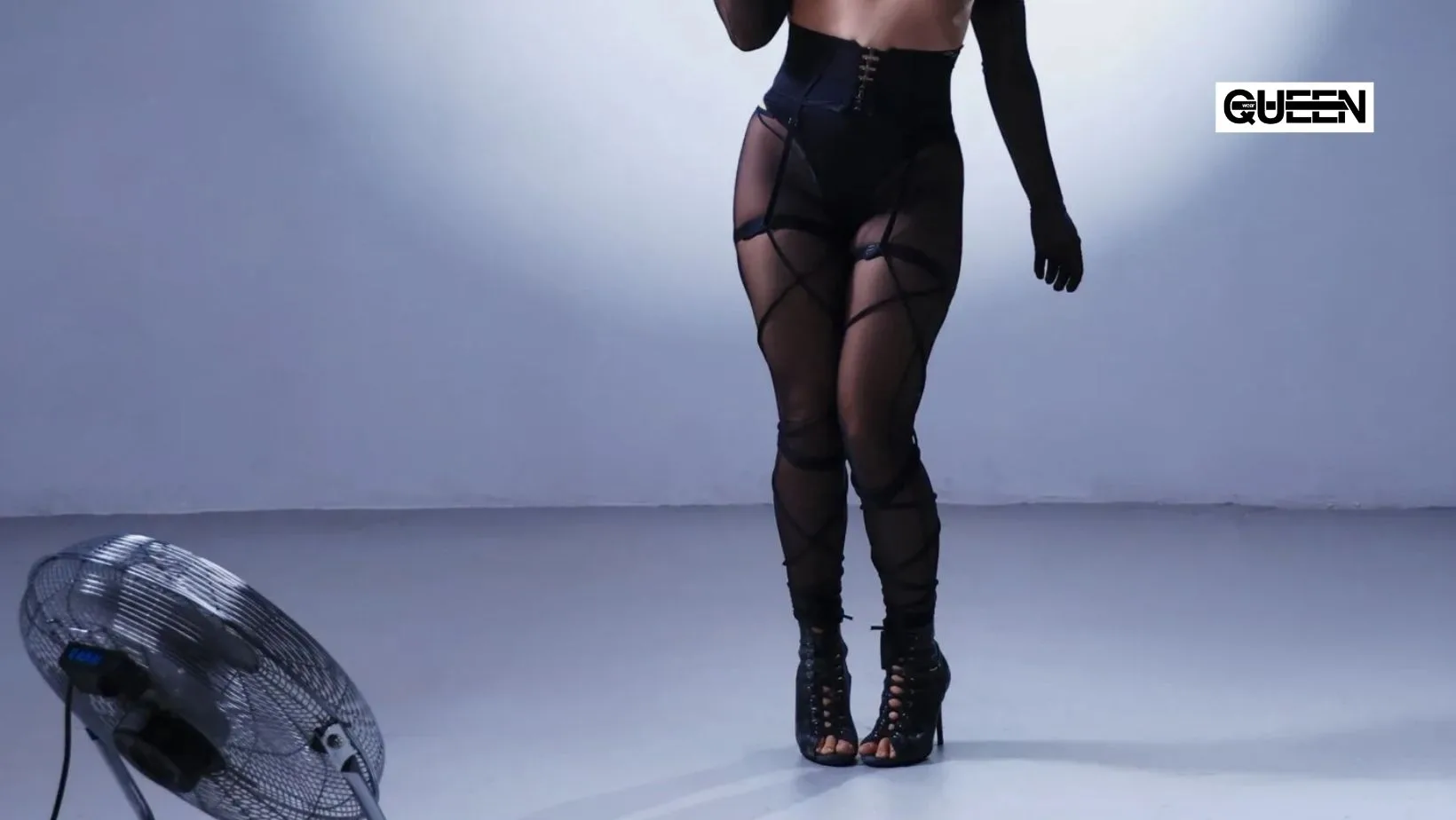
Choosing your first pair of heels for dance can be confusing. Platform height, ankle support, boot or sandal construction and overall fit all affect how comfortable and controllable the shoes feel.
For beginners, the best exotic dance heels are usually not the tallest or most dramatic pair. A secure fit, stable ankle support and a manageable platform are much more important when you are still learning how to walk, turn and move confidently.
This guide explains what to look for in your first pair of dance heels.
What Makes Heels Beginner-Friendly?
Beginner heels should help you focus on technique rather than constantly fighting the shoe.
Look for:
- secure ankle support;
- a stable platform;
- a snug fit around the foot;
- enough room for the toes;
- a heel height you can control;
- a sole that feels predictable on the studio floor.
The goal is not to make the shoe disappear completely, but to make it feel stable enough that you can concentrate on movement.
Boots or Sandals for Your First Pair?
For many beginners, boots are the easier starting point.
Boots
Boots usually provide more support around the ankle and foot.
They can be a good choice if you:
- are new to dancing in heels;
- want more ankle stability;
- prefer a secure fit;
- plan to practise exotic dance or pole choreography;
- want extra coverage during floorwork.
Lace-up boots are especially useful because they allow you to adjust the fit more precisely.
Sandals
Sandals create a lighter, more open look but usually offer less support.
They may suit beginners who already feel comfortable in high heels and want:
- more ankle freedom;
- a classic exotic dance silhouette;
- a lighter shoe.
If your ankle still feels unstable, a boot is usually the safer first option.
What Heel Height Is Best for Beginners?
For most beginners, a moderate platform is easier to control than an extremely high one.
Common beginner options include 6-inch or 7-inch platforms.
6-inch heels
These can be a good first step if you have little experience in platform shoes.
They usually feel:
- lighter;
- less dramatic;
- easier to control during walking;
- more forgiving while learning turns.
7-inch heels
Seven-inch models are very popular in heels dance and pole.
They give a stronger visual effect while still being practical for regular training once you are comfortable with the basics.
Many dancers move to 7-inch heels after gaining confidence with lower platforms.
Are Pleaser Heels Good for Beginners?
Pleaser heels for beginners are popular because the brand is closely associated with pole and exotic dance footwear.
The most important thing, however, is not the brand name alone.
A beginner-friendly pair should still have:
- secure fit;
- good ankle support;
- manageable height;
- stable construction;
- enough comfort for repeated practice.
If you choose Pleaser heels, focus on the model and fit rather than simply selecting the tallest pair.
Platform Heels vs Regular High Heels
Dance platforms are different from standard fashion heels.
A platform raises the front of the foot as well as the heel, which changes the overall angle of the foot.
This can make very high-looking shoes feel more manageable than a thin fashion heel of similar total height.
Platform heels are also commonly designed with movements such as:
- turns;
- heel walks;
- slides;
- floorwork;
- pole choreography
in mind.
For heels classes and pole dance, specialised dance footwear is usually more practical than ordinary fashion heels.
What About Pole Dance Heels?
Pole dance heels and exotic dance heels often overlap.
The main difference is how you plan to use them.
For pole classes, consider:
- ankle support;
- how the material interacts with the pole;
- platform shape;
- toe coverage;
- whether the shoe works for floor transitions.
For choreography-focused heels classes, movement across the floor may matter more than pole contact.
A versatile first pair should feel comfortable in both standing choreography and basic floorwork.
How Should Dance Heels Fit?
Fit matters more than almost anything else.
Your foot should feel secure without painful pressure.
Check that:
- the heel does not lift excessively;
- the foot does not slide forward;
- the toes are not compressed;
- straps or laces hold the foot securely;
- the ankle feels supported.
If the shoe is too loose, it will be harder to control during turns and changes of direction.
If it is too tight, long classes can quickly become uncomfortable.
Should You Size Up or Down?
Sizing varies between models, so do not rely only on your regular shoe size.
Consider:
- foot width;
- toe shape;
- arch height;
- ankle circumference.
If possible, follow the brand’s own size chart and model-specific recommendations.
A secure fit is especially important for platform shoes because even a small amount of movement inside the shoe can affect control.
Open Toe or Closed Toe?
Both can work.
Open-toe styles
Advantages:
- lighter look;
- more traditional exotic dance aesthetic;
- easier to see foot extension.
Closed-toe styles
Advantages:
- more protection;
- can feel more secure;
- useful for floorwork and toe drags;
- often preferred by beginners in boots.
For a first pair, comfort and support are more important than the visual difference.
Which Materials Are Best?
Dance heels come in different finishes, including:
- patent;
- matte;
- faux leather;
- suede-like materials;
- transparent vinyl.
Different materials can feel and perform differently.
Some surfaces provide more grip against the pole, while others slide more easily.
If you plan to combine heels dance with pole work, think about whether you want more or less contact between the shoe and the pole.
Beginner Mistakes When Buying Dance Heels
Choosing the tallest platform first
Higher is not automatically better.
Start with a height that allows you to learn clean technique.
Buying shoes that are too loose
Loose heels reduce control and may cause the foot to slide forward.
Choosing only by appearance
A beautiful pair can still be uncomfortable or unsuitable for your training.
Ignoring ankle support
If your ankles feel unstable, open sandals may be harder to manage.
Wearing them only during full choreography
Spend time simply walking, stopping and turning in your new shoes before using them in a complete routine.
What to Wear With Heels Dance Shoes
Your outfit should move with you and stay in place.
Good options include:
- fitted shorts;
- bodysuits;
- supportive tops;
- fitted pants for choreography;
- knee pads for floorwork.
Avoid very loose trousers that can get caught under the platform or heel.
Queen Wear offers a dedicated High Heels collection for heels choreography, exotic dance and floorwork.
A Simple First-Pair Checklist
Before buying your first pair, ask:
- Does the ankle feel supported?
- Does the foot stay securely inside the shoe?
- Can I bend my knees comfortably?
- Is the platform height manageable?
- Does the shoe suit my class style?
- Can I practise basic walking and turns without discomfort?
If the answer is yes, the pair is likely a good starting option.
Which Heels Are Best for Beginners?
For most beginners, a supportive boot with a moderate platform is the easiest place to start.
A 6-inch model can feel more approachable if you have little experience in platforms. A 7-inch pair can work well if you already feel comfortable in heels and want something you can keep using as your technique improves.
The best beginner heels are not the most dramatic pair. They are the shoes that let you practise walking, turns and choreography without constantly thinking about your feet.
Explore the Queen Wear High Heels collection to complete your heels dance look with fitted clothing designed for choreography, floorwork and training.


