




 UA
UA  PL
PL Pole Dance Tops: How to Choose Support, Fit and Style
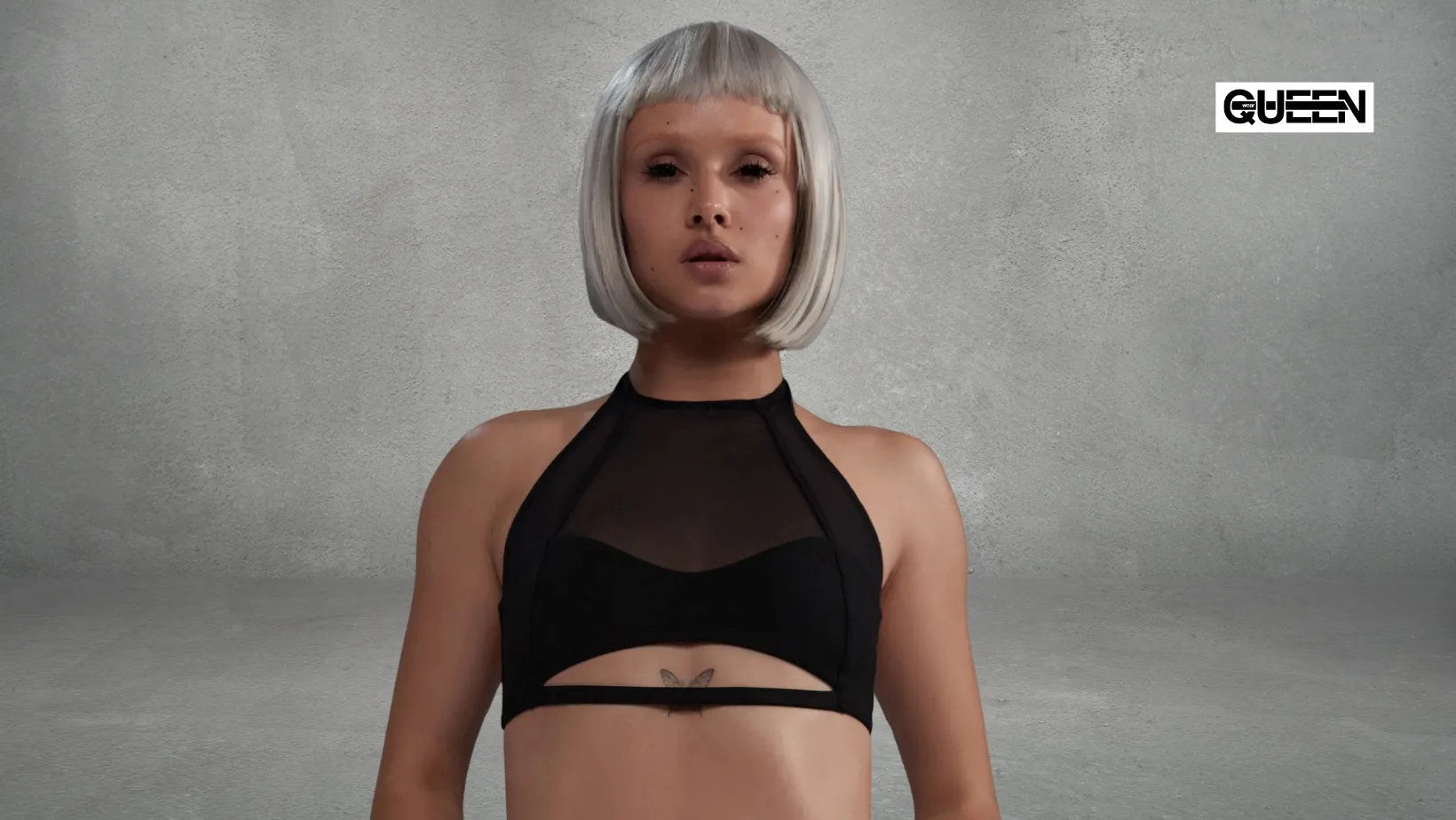
Choosing the right pole dance tops is essential for comfortable and confident training. A top for pole dance needs to do more than look good. It should support your body, stay in place during movement, allow a full range of motion and match the type of class you are taking.
Pole dance includes spins, climbs, inversions, floor work, waves, transitions and choreography. During all of this, your top should feel secure. If it slips, digs in, twists or limits shoulder movement, it can distract you from technique and reduce your confidence in the studio.
This guide explains how to choose pole dance tops by support, fit, straps, coverage, back design and training purpose.
Why Pole Dance Tops Are Different from Regular Sports Tops
A regular sports bra or gym crop top can sometimes work for basic classes, but pole dance has specific clothing needs. Your upper body moves through many angles: arms overhead, shoulders open, back arched, torso twisted and body inverted. Because of this, your top must combine support, flexibility and stability.
A good pole top should:
- Stay in place during spins, tricks and floor work
- Support the bust without restricting breathing
- Allow free shoulder and arm movement
- Feel comfortable during inversions and backbends
- Avoid slipping or rolling up
- Work with your chosen shorts, bodysuit layers or training outfit
- Match your level and class style
The best pole top is one you do not need to think about during practice. It should let you focus on movement, grip and control.
Pole Dance Tops and Grip
When choosing pole dance clothing, grip is always part of the decision. Tops affect grip differently than shorts, but they still matter. Some tricks require skin contact around the shoulders, upper back, side body, waist or ribs. If a top covers these areas too much, it may make certain movements harder.
For beginner classes, this is usually less of a problem. Most beginners work on spins, basic climbs, sits and conditioning, where legs and arms are the main contact points. But as your technique develops, you may need tops that leave more of the back, shoulders or sides exposed.
When thinking about grip, consider:
- Whether the top covers the side waist
- How much of the back is open
- Whether the shoulders can contact the pole
- If the fabric is slippery
- Whether the top moves during tricks
A supportive top is important, but it should not block essential contact points for the skills you are learning.
How Much Support Do You Need?
Support is one of the most important factors when choosing a pole dance top. The right level depends on bust size, class intensity, personal comfort and the type of movement involved.
For low-impact choreography or floor work, light to medium support may be enough. For dynamic spins, conditioning, jumps, drops or fast transitions, stronger support is usually better.
A supportive pole top should:
- Hold the bust securely
- Reduce bouncing during movement
- Stay close to the body
- Feel comfortable around the band
- Avoid cutting into the shoulders
- Allow deep breathing and torso movement
Support does not mean the top should feel tight or restrictive. If the band digs in, the straps hurt or the fabric compresses too much, the fit is not right. A pole top should feel secure, not uncomfortable.
Sports Bra Style Tops
Sports bra style tops are one of the most practical choices for pole dance. They are secure, supportive and easy to pair with shorts or high-waisted bottoms. Many beginners start with this type of top because it feels familiar and stable.
Sports bra style tops work well for:
- Beginner pole classes
- Conditioning
- Tricks and spins
- Stretching
- Dynamic training
- Studio practice
The best models have a firm but comfortable band, stable straps and fabric that stays close to the body. They should not slide upward during arm lifts or twist during floor work.
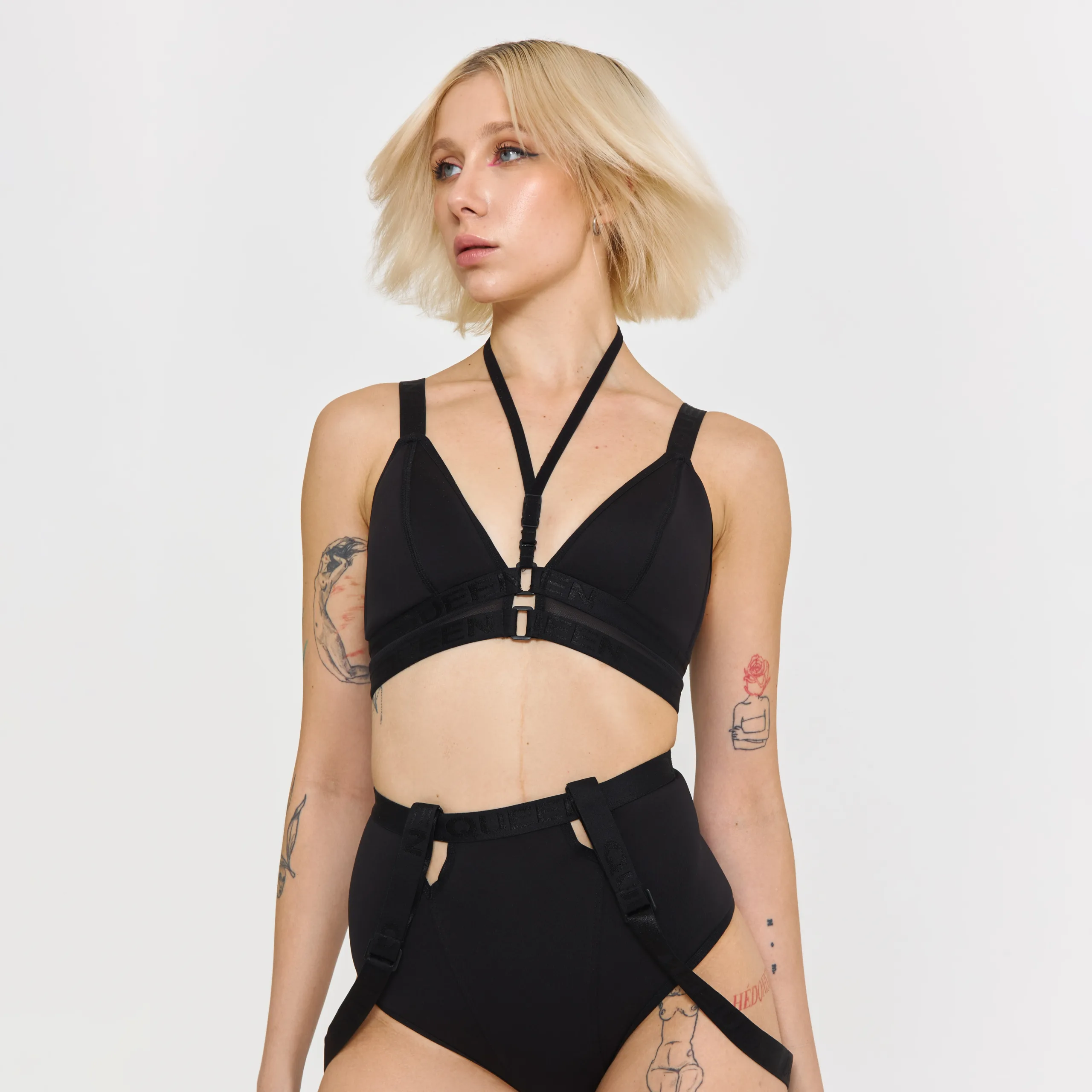
For pole dance, sports bra style tops often look more styled than classic gym bras. Details such as straps, mesh, cutouts or open-back designs can make them suitable for both training and choreography.
Crop Tops for Pole Dance
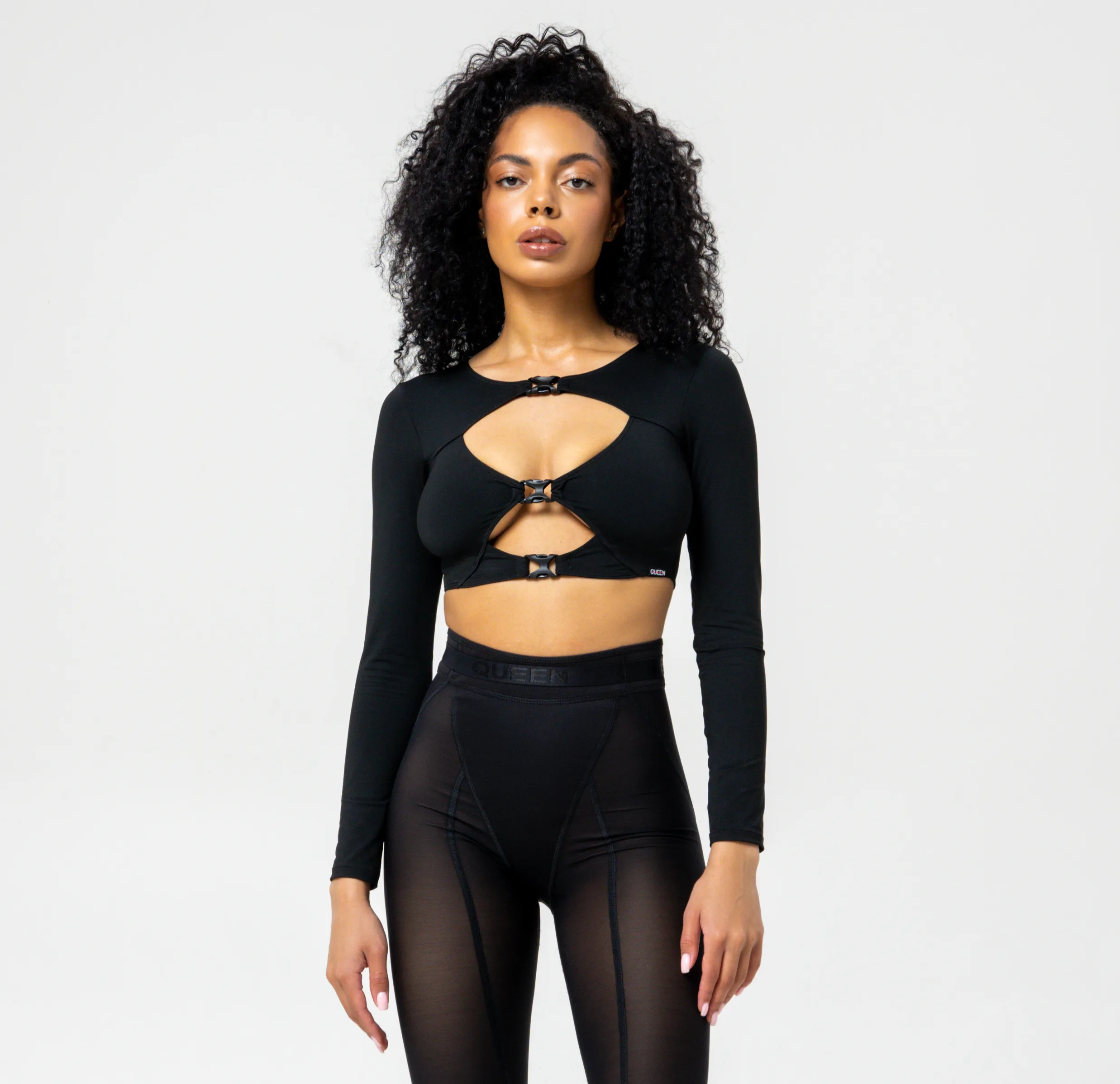
Crop tops are another popular option. They give a little more coverage than a sports bra while still allowing movement and skin contact. Many dancers like crop tops because they feel comfortable, stylish and versatile.
Pole dance crop tops can work for:
- Beginner and intermediate classes
- Choreography
- Floor work
- Stretching
- Low-flow training
- Dancers who prefer more coverage
When choosing a crop top, make sure it stays in place. Some crop tops look good standing still but ride up during spins, waves or inversions. The fabric should be stretchy enough to move with the torso but fitted enough not to shift.
A good crop top should feel secure around the bust and ribs. If it is too loose, it may move during tricks. If it is too tight, it may restrict breathing, backbends or shoulder movement.
Straps: What to Look For
Straps affect both support and style. They also influence how comfortable the top feels during tricks. Thin straps can look elegant, while wider straps often provide more support. Cross-back or multi-strap designs can help distribute pressure and keep the top stable.
Common strap styles include:
- Wide straps for stronger support
- Thin straps for a lighter, more delicate look
- Cross-back straps for stability
- Halter styles for open-back designs
- Adjustable straps for a more personalized fit
- Decorative straps for choreography and photoshoots
For training, straps should not dig into the shoulders or slide down the arms. If you are doing dynamic movement, adjustable or cross-back straps can be especially useful.
Decorative straps can look beautiful, but they should not interfere with movement or create pressure points. Always check how the top feels when you lift your arms, twist, arch and go upside down.
Open-Back Pole Dance Tops
Open-back tops are popular in pole dance because they look expressive and can help with certain grip points. They also create clean lines during choreography and photoshoots.
Open-back tops are useful for:
- Choreography
- Exotic pole
- Advanced tricks
- Back grip access
- Performance training
- Dancers who want a more dramatic studio look
The key is balance. An open-back top should still provide enough support in front. If the back is very open, the straps and band need to hold the top securely. Otherwise, it may shift during movement.
For beginners, a partly open back can be a good compromise. It gives a pole-specific look without sacrificing too much stability.
High-Neck and More Covered Tops
Not every pole dance top has to be very open. High-neck or more covered tops can be excellent for certain types of training, especially when you want extra comfort, style or support.
More covered tops work well for:
- Choreography classes
- Stretching
- Conditioning
- Warm-up
- Dancers who prefer modest coverage
- Low-impact studio training
However, they may not be ideal for moves that require upper chest, shoulder or side-body contact with the pole. If you choose a more covered top, consider whether it matches the skills you are practicing.
A high-neck crop top can look elegant and feel secure, but for advanced pole work you may need another option that exposes more skin for grip.
Fit: How a Pole Top Should Feel
Fit is critical. A pole top should sit close to the body without feeling restrictive. It should support the bust, stay in place and move naturally with your torso.
A good fit means:
- The band stays flat and secure
- The top does not ride up
- The straps stay in place
- The bust feels supported
- The fabric does not gap or wrinkle excessively
- You can breathe and move freely
Before training in a new top, test it with movement. Raise your arms, twist your torso, bend forward, arch your back and try a few floor transitions. If the top shifts or needs adjusting, it may not be the best choice for class.
The right fit should feel stable in motion, not just flattering in the mirror.
Fabric and Comfort
Fabric affects how the top feels during long training sessions. Pole dance involves sweat, stretching, compression, body contact and repeated movement, so the material needs to be reliable.
Look for fabric that is:
- Stretchy
- Supportive
- Breathable
- Soft against the skin
- Durable
- Not overly slippery
- Resistant to losing shape
A top should not become transparent when stretched or feel heavy when you sweat. It should recover its shape after movement and washing.
Avoid fabrics that are stiff, scratchy or too thin. They may look attractive but can become uncomfortable during conditioning, floor work or inversions.
Tops for Beginner Pole Classes
For beginners, the best pole dance tops are usually simple, supportive and secure. A sports bra style top or fitted crop top is often enough for early classes.
Beginner-friendly tops should:
- Stay in place during basic spins
- Support the bust comfortably
- Allow full arm movement
- Pair easily with pole shorts
- Feel secure during floor work
- Avoid complicated straps that need constant adjustment
At the beginning, function matters more than dramatic design. Once you understand your class style and comfort level, you can add more open-back tops, strappy designs or performance pieces.
Tops for Tricks and Conditioning
Tricks and conditioning require strong support. During climbs, spins, inversions and strength drills, your top should stay exactly where it is. This is especially important when your body moves upside down or through fast transitions.
For tricks and conditioning, choose tops with:
- Reliable bust support
- Strong straps
- A secure underband
- Firm but flexible fabric
- Minimal slipping
- Good shoulder mobility
Avoid tops that are too loose, too delicate or designed only for styling. A beautiful top is not useful if it distracts you during strength work.
Tops for Choreography and Exotic Pole
Choreography and exotic pole allow more room for style. Tops can be expressive, strappy, open-back, mesh-detailed or coordinated with shorts. Still, they must remain functional.
For choreography, look for tops that:
- Match the mood of the routine
- Stay secure during floor work
- Work with knee pads and heels
- Allow waves, body rolls and backbends
- Feel confident and comfortable
- Do not catch or twist during transitions
Exotic pole often includes floor movement, hair flips, arches, kneeling transitions and heel work. The top should look good but also stay stable through all of those movements.
A strappy or open-back top can be ideal, as long as it supports your body and does not need constant fixing.
How to Choose a Top for Your Body Type
There is no single best pole dance top for every body. The right choice depends on support needs, torso length, bust size, shoulder comfort and personal style.
If you need more bust support, look for wider straps, stronger bands and secure sports-bra-style construction. If you prefer more freedom around the shoulders, try open-back or cross-back designs. If you want more coverage, choose crop tops or high-neck styles.
Useful fit considerations include:
- Larger busts often need stronger bands and wider straps
- Smaller busts may work well with lighter support and strappy designs
- Longer torsos may prefer crop tops with more length
- Sensitive shoulders may need softer or wider straps
- Dancers who arch deeply should check that the top does not ride up
Comfort is not about hiding the body. It is about choosing a top that supports how your body moves.
Common Mistakes When Choosing Pole Dance Tops
Many dancers choose tops based only on appearance. Style matters, but training comfort matters more.
Common mistakes include:
- Choosing a top with too little support
- Wearing a loose crop top that rides up
- Picking straps that dig into the shoulders
- Choosing fabric that feels slippery or thin
- Ignoring how the top behaves upside down
- Buying a top that looks good but limits arm movement
- Choosing a design that blocks needed grip points
The best way to avoid these mistakes is to test the top before class. Move in it, stretch in it and check whether it stays secure from different angles.
How Many Pole Dance Tops Do You Need?
You do not need many tops when starting pole dance. A small, practical wardrobe is enough for regular training.
A good starter set may include:
- One supportive sports bra style top
- One fitted crop top
- One strappy or open-back top for choreography
- One more covered top for warm-up or low-impact classes
This gives you options for technique, conditioning, floor work and choreography without overbuying.
As your training develops, you can add tops for specific needs: stronger support, more open backs, matching sets, exotic pole or performance practice.
How to Style Pole Dance Tops
Pole dance tops are easy to style with different shorts, bodysuits, layers and accessories. For technical training, pair a supportive top with secure pole shorts. For choreography, choose a matching set or a top with more visual detail. For warm-up, add a light layer that can be removed before pole work.
Good combinations include:
- Sports bra style top with high-waisted shorts
- Crop top with mid-coverage pole shorts
- Strappy top with cheeky shorts for choreography
- Open-back top with high-cut shorts for exotic pole
- More covered top with leggings for warm-up and stretching
The goal is to create a training outfit that feels stable, practical and expressive.
Final Thoughts
Pole dance tops are an important part of your studio wardrobe. They affect support, comfort, movement, confidence and sometimes grip. The best top is not only the one that looks attractive. It is the one that stays in place, supports your body and works for the type of training you do.
Beginners usually do well with supportive sports bra style tops or fitted crop tops. More experienced dancers may prefer open-back or strappy designs for grip, lines and choreography. For exotic pole and performance training, style can be more expressive, but functionality should always come first.
When choosing pole dance tops, focus on support, fit, straps, fabric and movement. A well-chosen top will help you train with confidence, move freely and stay focused from warm-up to final combo.