




 UA
UA  PL
PL 15 Beginner Pole Dance Moves to Learn First
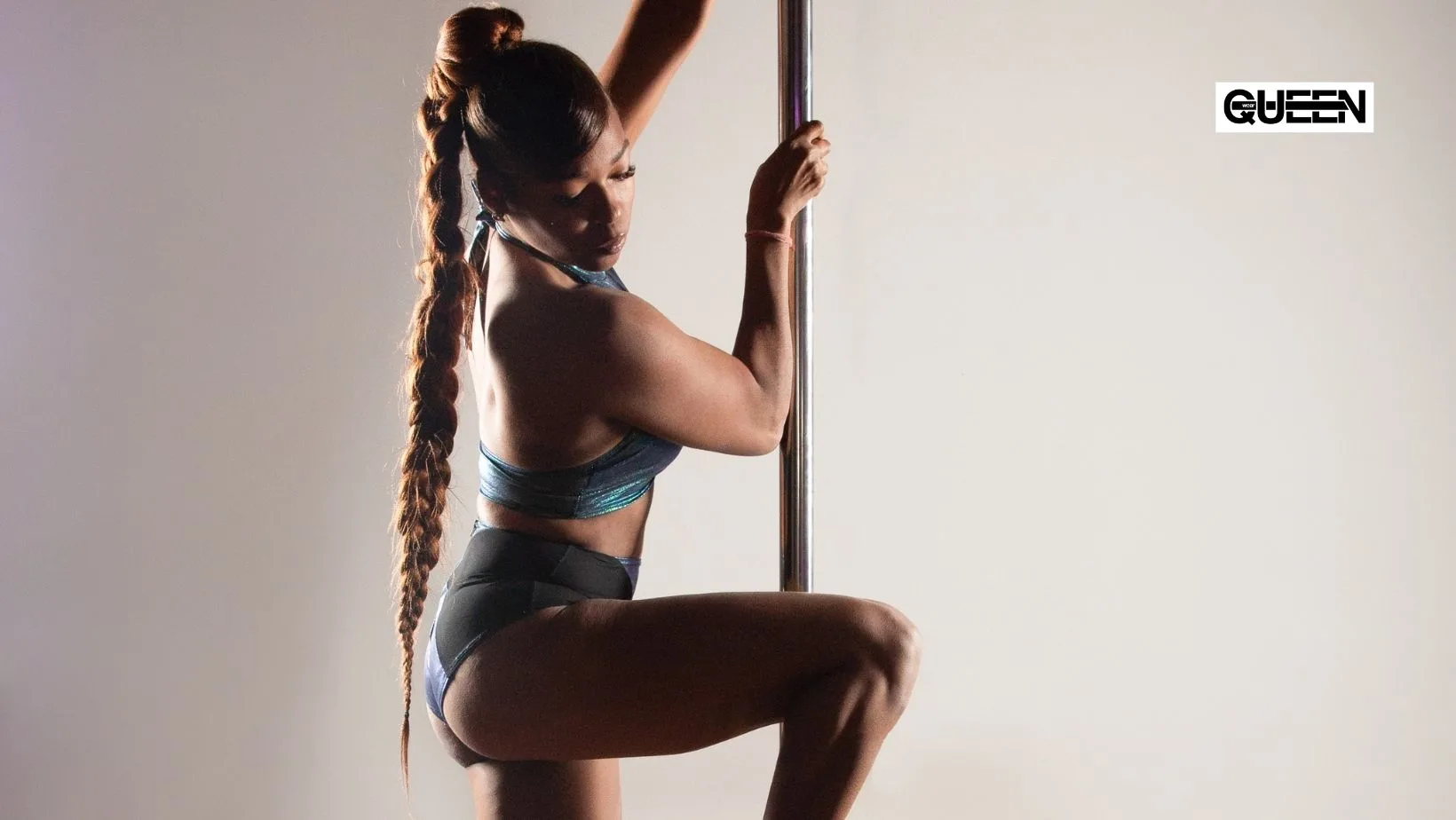
Starting pole dance can feel overwhelming when you see experienced dancers climbing, spinning and combining complex tricks. But every advanced sequence begins with a small set of fundamental pole dance moves.
As a beginner, your goal is not to learn the most impressive trick as quickly as possible. It is to develop grip, body awareness, coordination and control while building the strength needed for more demanding skills.
Here are 15 beginner pole dance moves worth learning first.
Before You Start: Learn the Basics Safely
Beginner pole training should focus on controlled technique rather than speed.
Before practising new moves:
- warm up your shoulders, wrists, hips and ankles;
- keep the pole and your hands clean and dry;
- learn new tricks with an instructor whenever possible;
- practise both sides of the body;
- stop if you feel sharp pain;
- avoid advanced inversions until you have the required strength and technique.
Your clothing also matters. Fitted pole wear allows you to move freely while leaving important skin-contact areas accessible.
1. Pole Walk
The pole walk is one of the simplest movements, but it teaches several essential skills.
You walk around the pole while maintaining controlled contact with one hand and keeping the body lifted.
Focus on:
- upright posture;
- relaxed shoulders;
- controlled steps;
- pointed or deliberately placed feet;
- smooth weight transfer.
A good pole walk becomes the foundation for entrances into spins, turns and choreography.
2. Step Around
The step around introduces rotation around the pole without requiring a full spin.
You step around the pole while allowing your body to follow a circular pathway.
It helps beginners understand:
- distance from the pole;
- momentum;
- hand placement;
- body positioning.
This simple movement is often used to connect other beginner pole moves.
3. Basic Pirouette
A pirouette teaches you how to change direction while staying close to the pole.
Rather than relying on speed, focus on coordinating the feet, hands and torso.
The goal is to make the turn feel continuous rather than rushed.
Once comfortable, pirouettes can be used to transition between walks, spins and choreography.
4. Dip Turn
The dip turn is a stylish beginner transition that introduces changes in level.
You move around the pole while bending the knees and lowering the body before returning to standing.
It is useful for developing:
- coordination;
- leg control;
- balance;
- musicality.
It also helps make simple choreography look more fluid without requiring an advanced trick.
5. Fireman Spin
The fireman spin is one of the most recognisable beginner pole dance moves.
It introduces the sensation of lifting both feet from the floor while rotating around the pole.
Beginners learn to coordinate:
- hand placement;
- knee contact;
- momentum;
- controlled landing.
Avoid simply jumping into the spin. The movement should come from a controlled step and body position.
6. Front Hook Spin
The front hook spin teaches you to use the leg more actively around the pole.
One leg hooks around the pole while the body rotates.
This move helps develop confidence with:
- leg placement;
- body position;
- rotation;
- controlled exits.
It is also a useful preparation for more advanced spins.
7. Back Hook Spin
The back hook spin changes the direction of the leg and body compared with the front hook.
It can initially feel less intuitive, which makes it useful for improving spatial awareness.
Practise it slowly and on both sides rather than relying only on your dominant direction.
8. Chair Spin
The chair spin introduces a more compact body position.
During the rotation, both legs lift while the knees remain bent, creating the appearance of sitting in an invisible chair.
This beginner spin requires more upper-body control than a basic step-around, making it a useful progression once your grip becomes stronger.
Keep your shoulders engaged rather than hanging passively from the arms.
9. Attitude Spin
The attitude spin combines rotation with a more decorative leg position.
It helps bridge the gap between learning basic mechanics and developing personal style.
Focus on:
- controlled entry;
- clear leg shape;
- stable upper body;
- smooth landing.
At this stage, the quality of the movement matters more than generating a very fast spin.
10. Sunwheel Spin
The sunwheel is another useful beginner spin that introduces a wider leg position and a different relationship between the body and pole.
It helps develop:
- coordination between the arms and legs;
- confidence moving away from the pole;
- stronger control of momentum.
The exact name and variation may differ between studios, so follow the technique taught by your instructor.
11. Basic Pole Sit
A pole sit is often one of the first positions where beginners experience how important skin contact is.
Instead of hanging entirely from the arms, the body uses the upper thighs to create friction against the pole.
This is one reason dancers usually train in fitted pole dance shorts: bare thigh contact is needed for many holds.
At first, a pole sit can feel uncomfortable because the skin is not accustomed to this type of pressure. Build your tolerance gradually rather than forcing longer holds.
12. Knee Hook Position
Learning to place the knee correctly around the pole prepares you for many future combinations.
The goal is not to hang passively from the joint. You need controlled positioning and active engagement.
This skill improves awareness of where the pole contacts the back of the knee and helps prepare for later holds and transitions.
13. Basic Pole Climb
The pole climb is an important milestone for beginners.
A good climb relies on coordinated use of the legs, feet and upper body rather than pulling yourself upward with the arms alone.
Beginners should first learn:
- Correct hand placement.
- Secure contact with the legs.
- How to push through the lower body.
- How to move the hands upward safely.
- How to descend with control.
Do not rush to reach the top of the pole. A technically correct first step is more valuable than several uncontrolled climbs.
14. Pole Stand or Crucifix Preparation
Before progressing to more advanced upright holds, beginners can practise controlled standing positions where the legs create secure contact with the pole.
These exercises help develop:
- inner-thigh engagement;
- body alignment;
- confidence taking some weight away from the hands;
- understanding of body-to-pole contact.
Practise close to the floor and under instruction while learning where the pressure should be distributed.
15. Simple Spin-to-Floor Transition
Once basic spins feel comfortable, start learning how to connect them with movement toward the floor.
A simple combination might include:
pole walk → pirouette → beginner spin → controlled descent to the floor
This teaches an important lesson: pole dance is not only about individual tricks.
Transitions help you develop:
- coordination;
- control;
- musicality;
- smoother choreography;
- confidence connecting movements.
Knee protection can be helpful when you begin adding more floor-based work. Explore pole dance knee pads if your training includes kneeling, slides and floor transitions.
Which Pole Dance Moves Should You Learn First?
A useful beginner progression looks like this:
| Stage | Moves to focus on |
| First lessons | Pole walk, step around, pirouette |
| Building confidence | Dip turn, fireman spin, front hook |
| Developing spin control | Back hook, chair, attitude, sunwheel |
| Learning body grip | Pole sit, knee hook |
| Building strength | Basic pole climb |
| Connecting skills | Upright holds and simple transitions |
You do not need to master all 15 moves immediately.
The order may also differ depending on your instructor, studio and individual strength.
How Often Should Beginners Practise Pole Moves?
For many beginners, one or two pole classes per week provide enough time to learn technique while allowing the body to recover.
More training is not always better, especially during the first weeks when your hands, shoulders and skin are adapting to new demands.
Between classes, you can support your progress with:
- mobility exercises;
- shoulder conditioning;
- core work;
- flexibility training;
- grip-strength exercises;
- light choreography practice without the pole.
Recovery is part of training.
Common Beginner Mistakes
Learning only on one side
Practise both left and right whenever possible. One side will probably feel easier, but training both helps develop more balanced strength and coordination.
Using too much momentum
A faster spin is not automatically a better spin. Learn to control your entry and exit first.
Pulling only with the arms
Climbs and many other pole moves use the whole body. Over-relying on the arms can lead to early fatigue and poor technique.
Moving to advanced tricks too quickly
A strong pole sit, climb and basic spin technique provide a much better foundation than attempting difficult tricks before your body is ready.
Wearing clothing that covers grip points
Long leggings can make some movements harder because fabric reduces direct skin contact with the pole.
A fitted top and pole dance shorts are usually enough for beginner technical classes.
What to Wear While Learning Pole Dance Moves
For your first classes, keep your outfit simple.
A practical combination is:
- fitted pole shorts;
- supportive top or sports bra;
- bare feet or socks for the warm-up;
- knee pads if the class includes floorwork.
Avoid loose tops or very wide shorts that can shift during spins and make it difficult for your instructor to see your alignment.
Queen Wear offers pole dance clothing designed for secure movement, skin contact and comfortable training.
Build Strong Basics Before Chasing Advanced Tricks
The best beginner pole dance moves may not look as dramatic as advanced inversions, but they teach the skills everything else depends on.
Pole walks develop posture. Spins teach momentum and grip. Pole sits introduce skin contact. Climbs build coordination between the upper and lower body. Transitions teach you how to turn separate tricks into actual dance.
Focus on control rather than speed and practise both sides consistently. Once these fundamentals feel natural, learning more complex pole spins, climbs and combinations becomes much easier.