





 UA
UA  PL
PL Sweaty Hands on the Pole? Grip Aids That Actually Work
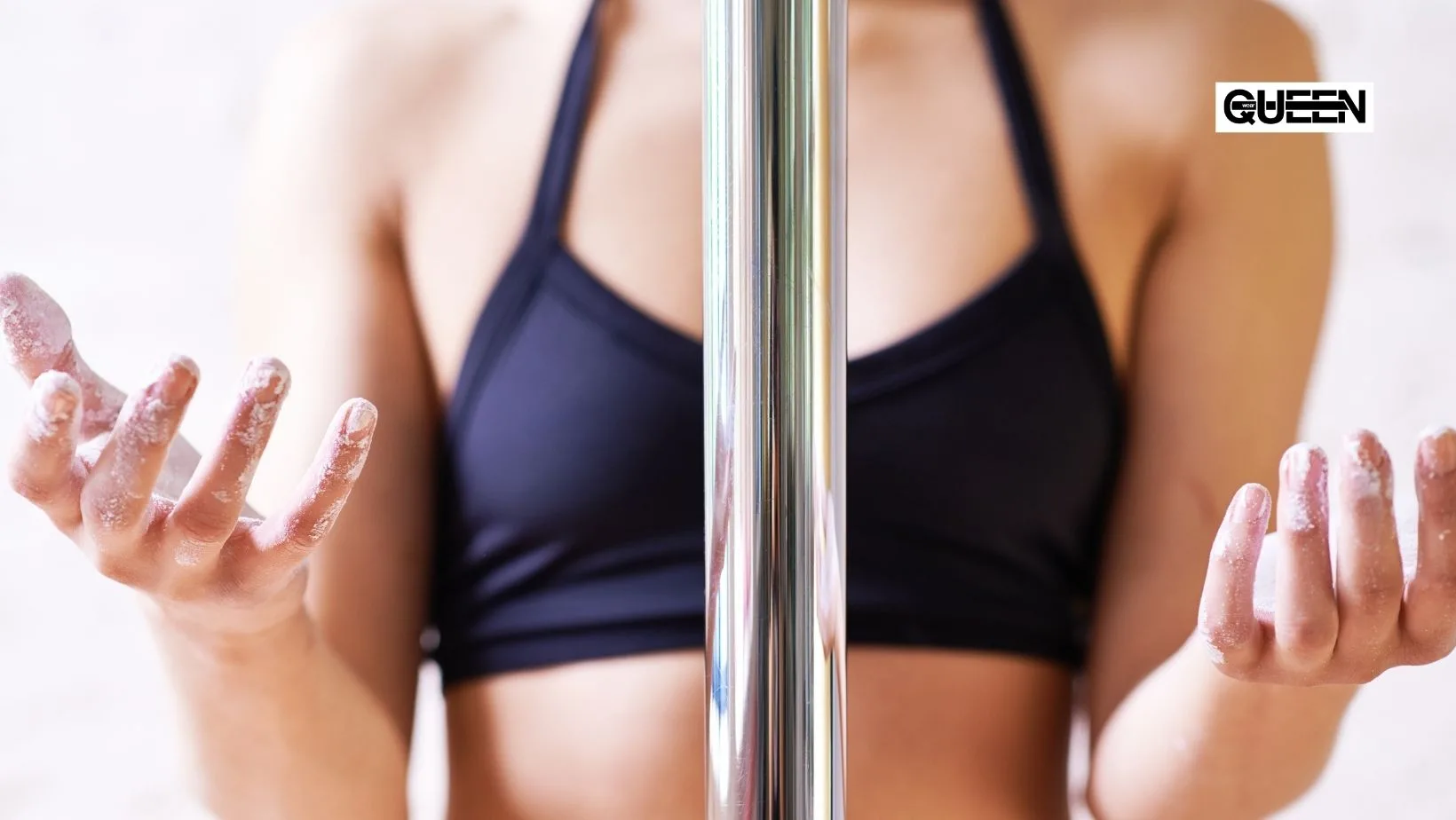
Sweaty hands can make pole training frustrating. You know the movement, your strength is there, but your palms start sliding before you can complete the spin, climb or hold.
That is where pole grip products can help.
Grip aids are not meant to replace technique or strength. Their purpose is to manage moisture, increase friction or improve contact between the skin and the pole. The right product depends on why you are slipping in the first place.
If your hands are sweaty, you need a different solution than someone whose skin is extremely dry. This guide explains the main types of pole grip, how products such as Dry Hands and iTac differ, and how to choose the best option for your training.
Why Do Hands Slip During Pole Dance?
There is no single reason.
Poor grip can be caused by:
- sweaty palms;
- high humidity;
- very dry skin;
- cold skin at the beginning of class;
- body lotion or oils;
- residue on the pole;
- fatigue;
- incorrect hand placement;
- insufficient grip strength.
Before reaching for a product, identify what is actually happening.
If your palms feel visibly wet, a drying grip is usually the logical starting point. If your skin feels dry and cannot create enough friction, adding even more drying product may make the problem worse.
What Is Pole Grip?
Pole grip is a general term for products designed to improve contact between the hands or body and the pole.
Depending on the formula, a grip aid may:
- reduce sweat;
- absorb moisture;
- create a drier skin surface;
- add tackiness;
- increase friction;
- help specific body grip points stay in contact with the pole.
Grip products come in several forms, including liquids, gels, powders, sprays and waxier formulas.
There is no single best pole grip for everyone. Skin type, studio conditions and the type of pole training all matter.
You can keep grip products and other training essentials together with items from the Queen Wear pole dance accessories collection.
Drying Grip: Best for Sweaty Hands
If sweaty palms are the main problem, start with a drying product.
Liquid drying grips are designed to reduce moisture on the hands and leave a less slippery surface. They are popular for spins, climbs, tricks and other movements where secure hand contact matters.
Products commonly used by pole dancers include formulas such as Dry Hands pole grip.
A drying grip can be useful when:
- your palms become damp quickly;
- you lose hand grip before your muscles fatigue;
- the studio is hot or humid;
- nervousness makes your hands sweat;
- you are practising grip-intensive tricks.
How to apply a drying pole grip
More product does not necessarily mean better grip.
A simple routine is:
- Wash and dry your hands.
- Apply a small amount to the palms and fingers.
- Spread it evenly.
- Let it dry completely.
- Test your grip before adding more.
Applying layer after layer can create residue on your skin and the pole.
Start with as little product as possible and increase only when necessary.
What Is Dry Hands Pole Grip?
Dry Hands is one of the well-known liquid grip products used in pole and other activities where sweaty hands interfere with grip.
For pole dancers, its main appeal is moisture control. A thin application can help create a drier surface on the palms without the heavy tackiness associated with some other grip formulas.
It tends to make the most sense for dancers whose main issue is sweat rather than dry skin.
However, individual results vary. A grip product that works perfectly in one studio may behave differently in another because temperature, humidity, pole material and skin chemistry all affect friction.
What Is iTac Pole Grip?
iTac pole grip belongs to a different category.
Rather than focusing primarily on drying sweaty hands, tackier products are generally used when dancers want more friction between the skin and the pole.
They can be useful on body grip points such as:
- thighs;
- backs of the knees;
- waist;
- sides of the torso;
- other areas used in static holds.
This type of product may suit dancers whose skin feels too dry or lacks natural tack.
For very sweaty palms, however, a tacky grip can sometimes feel less comfortable than a drying formula. That is why it is useful to match the product to the actual problem instead of buying the most popular grip aid.
Dry Grip vs Tacky Grip
The easiest way to understand the difference is by looking at what your skin needs.
| Grip problem | Better starting point |
| Sweaty palms | Drying grip |
| Hands become wet during tricks | Drying grip |
| Very dry skin | Tacky/body grip |
| Skin does not stick well to the pole | Tacky grip |
| Need extra body contact for holds | Body/tacky grip |
| Both sweat and dry body skin | Different products for hands and body may work better |
Some dancers use one product for their hands and another for body grip.
That is often more effective than trying to use the same formula everywhere.
Can You Use Chalk for Pole Dance?
Chalk-based products are widely used in sports where moisture affects hand grip. In pole dance, however, studio rules vary.
Too much loose chalk can:
- leave residue on the pole;
- transfer to the floor;
- create dust;
- require frequent cleaning.
Liquid products are often easier to control, but you should always check your studio’s policy before using a new grip aid.
Some studios allow only specific types because different formulas can interact differently with pole surfaces and cleaning products.
Grip for Spins vs Grip for Static Pole
Your grip needs can change depending on what you are practising.
Static holds and climbs
For climbs and static positions, you generally want reliable friction. A drying hand grip may help if sweat causes your hands to slide.
Spinning pole
On spinning pole, excessive grip can sometimes make transitions less smooth. You need enough friction to stay secure without feeling stuck to the pole.
Floorwork and choreography
Grip products are usually less important during sections performed mostly on the floor. Too much tackiness on the legs can even interfere with smooth floor transitions.
This is another reason not to apply grip automatically to your entire body before class.
Use it only where it is actually needed.
When Grip Aid Is Not the Real Solution
Sometimes slipping has little to do with sweaty hands.
A grip product cannot fully compensate for:
- incorrect hand placement;
- relaxed shoulders when active engagement is required;
- trying a trick before developing sufficient strength;
- poor weight distribution;
- an incorrect grip position;
- fatigue at the end of a session.
If you continually slide in the same movement despite using grip, ask your instructor to check your technique.
Often a small adjustment in body position makes a bigger difference than adding more product.
Clean Skin Matters
Pole grip works best on clean skin.
Before class, avoid:
- hand cream;
- body lotion;
- massage oils;
- heavy moisturisers;
- oily sunscreen on grip areas.
These products can create a slippery layer that is difficult to overcome with grip aid.
If you need to moisturise your skin, doing so the evening before training is usually more practical than applying lotion immediately before class.
Wash and thoroughly dry your hands before using a grip product.
Keep the Pole Clean
Residue accumulates on the pole during training from sweat, grip products and skin contact.
A dirty pole can become inconsistent: one section may feel slippery while another feels excessively sticky.
Follow your studio’s cleaning rules and use only the cleaning products approved for its equipment.
Clean the pole between attempts when necessary, especially if you are testing several different grip products.
Avoid mixing large amounts of multiple formulas directly on the pole.
Can You Use Too Much Pole Grip?
Yes.
Common signs include:
- visible residue on the hands;
- product transferring heavily to the pole;
- hands feeling gummy instead of secure;
- difficulty adjusting your grip;
- needing more product every few minutes.
Grip should support your technique, not become something you need after every attempt.
If your hands feel overloaded, wash them, clean the pole and start again with a smaller amount.
What Is the Best Pole Grip for Beginners?
Beginners usually do not need several different products.
Start by identifying the main problem.
If your hands sweat
Try a small amount of drying liquid grip.
If your skin is very dry
Ask your instructor whether a tackier grip designed for body contact would be more appropriate.
If you only slip during one trick
Check technique before changing products.
If you are unsure
Train without grip at first and ask your instructor to recommend a type based on how your hands and skin behave.
Buying multiple grip products before your first pole class is rarely necessary.
Grip Clothing as an Alternative
Grip does not always have to come from a bottle.
Some pole clothing uses tackier materials designed to increase contact with the pole while keeping more of the body covered.
This can be useful for dancers who:
- prefer greater skin coverage;
- train in a colder studio;
- need additional grip on the legs or torso;
- want an alternative to applying body grip products.
Queen Wear sticky polewear is designed to provide additional contact with the pole while allowing dancers to train with more coverage.
Sticky clothing works differently from hand grip. It supports body contact rather than solving sweaty palms, so the two can also be used for different purposes within the same training session.
Grip Aid vs Skin Grip
Grip aids should support natural technique, not replace it.
Your ability to stay on the pole also depends on:
- correct contact points;
- appropriate pressure;
- active muscles;
- hand and forearm strength;
- clean skin;
- controlled weight transfer.
For many tricks, the goal is not to squeeze the pole as hard as possible. Good technique distributes your body weight across several contact points.
This is why stronger grip does not automatically mean better pole dancing.
How to Choose the Best Pole Grip
Use these questions before choosing a product:
Are your palms sweaty?
Start with a drying formula.
Is your skin extremely dry?
Consider a tackier body grip.
Do you need grip mainly on the thighs or knees?
Look at products designed for body contact rather than hand sweat.
Does your studio restrict grip products?
Follow its rules before buying anything.
Are you still slipping after applying grip?
Check the movement with your instructor.
Do you prefer more body coverage?
Consider sticky pole clothing as an alternative for some grip points.
A Simple Pole Grip Routine
For most training sessions, grip management does not need to be complicated.
- Arrive with clean skin and no oily lotion.
- Warm up thoroughly.
- Clean and dry your hands.
- Test your natural grip.
- Apply a small amount of product only if necessary.
- Let it dry or set according to the product type.
- Clean the pole when residue builds up.
- Reapply only when your grip actually begins to deteriorate.
This helps you understand your natural grip instead of becoming dependent on unnecessary amounts of product.
Better Grip Starts With the Right Solution
Sweaty hands are common in pole dance, and they do not mean you are bad at gripping the pole. The important thing is to understand why you are slipping.
For damp palms, a drying product such as a Dry Hands-style pole grip may be the most useful starting point. For dry skin and body grip points, tackier formulas such as iTac-type products serve a different purpose.
Use grip sparingly, keep your skin and pole clean, and remember that no product can replace correct technique.
For training essentials, explore Queen Wear pole dance accessories and sticky polewear designed to support grip, comfort and confident movement during pole training.