




 UA
UA  PL
PL Pole Dance Bodysuit Guide: When to Wear It and How to Choose
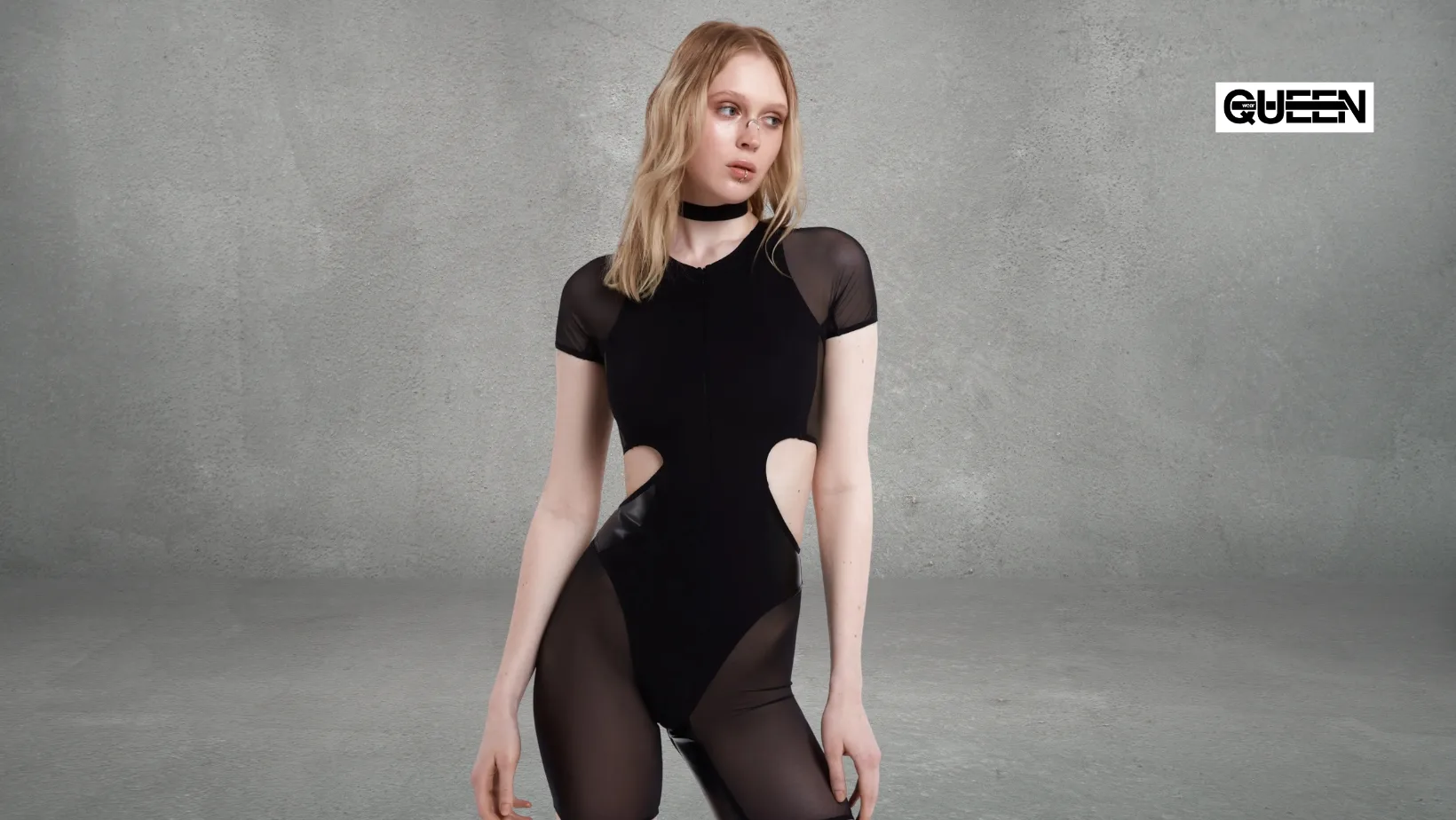
A pole dance bodysuit can be one of the most comfortable and stylish pieces in your training wardrobe. It gives you a complete outfit in one piece, stays visually polished and can work well for choreography, floor work, photoshoots and performance-style training.
Unlike a top and shorts set, a bodysuit creates a more seamless look. It can feel secure during dance movement and helps you avoid matching separate pieces before class. But for pole dance, it is important to choose the right cut, fabric and fit, because your outfit still needs to support movement and leave enough skin available for grip.
In this guide, we will explain when a bodysuit is a good choice for pole dance, who it works best for and how to choose one for your training style. You can also explore Queen Wear’s pole dance bodysuit collection if you are looking for one-piece outfits for studio training, floor work and choreography.
What Is a Pole Dance Bodysuit?
A pole dance bodysuit is a one-piece outfit designed for movement, dance and training on the pole. It usually combines the function of a top and bottom in one garment, creating a clean and secure look.
Bodysuits for pole dance are different from regular fashion bodysuits. They need to stretch, stay in place and allow your body to move freely during spins, floor work, transitions and choreography.
A good pole dance bodysuit should feel:
- flexible;
- secure;
- comfortable;
- supportive;
- stable during movement;
- suitable for active training.
It should not shift too much, dig into the skin or limit your range of motion.
When Is a Bodysuit Better Than a Top and Shorts Set?
A bodysuit can be a better choice when you want a complete outfit that feels put together without needing to match separate pieces. It is especially useful for classes where style, flow and visual lines matter.
A pole dance bodysuit works well for:
- choreography;
- floor work;
- low flow;
- exotic pole;
- photoshoots;
- performance practice;
- studio training with a more polished look.
A top and shorts set may be more flexible if you want to mix sizes, cuts or levels of coverage. But a bodysuit is a great choice when you want a secure one-piece outfit that looks complete right away.
Why Dancers Like Bodysuits for Pole Dance
Many dancers choose bodysuits because they feel stable and easy to style. You do not need to think about matching a top with shorts, and the outfit often stays visually cleaner during movement.
A bodysuit can help you:
- create a complete look quickly;
- feel more secure during choreography;
- avoid gaps between top and bottom;
- highlight body lines;
- move smoothly through floor work;
- build a performance-ready outfit.
For photoshoots and performances, bodysuits are especially popular because they create a strong visual shape and look elegant on camera or stage.
Fit: The Most Important Part
Fit is the first thing to check when choosing a bodysuit. A pole dance bodysuit should be close to the body but not painful. It should stay in place while you move, bend, twist and stretch.
If the bodysuit is too loose, it may shift during class. If it is too tight, it may dig into the body or restrict your movement.
When checking the fit, pay attention to:
- bust support;
- waist comfort;
- hip fit;
- shoulder and strap stability;
- freedom of movement;
- comfort when bending or stretching.
The right bodysuit should feel secure enough for training and comfortable enough to wear for a full class.
Choose the Right Cut for Grip
Pole dance requires skin contact with the pole. This is why the cut of your bodysuit matters. If the bodysuit covers too much of your thighs, waist or sides, some grip-based moves may become harder.
For many pole tricks, you may need skin contact around:
- thighs;
- hips;
- waist;
- side body;
- inner legs.
This does not mean every bodysuit has to be very open. It simply means you should choose a cut that matches your training. For choreography and floor work, you can wear more coverage. For tricks, climbs and sits, you may need a design that leaves grip areas free.
You can also explore the full Queen Wear pole dance wear category if you want to compare bodysuits with tops, shorts and other pole training pieces.
Fabric: Stretch, Comfort and Stability
The best pole dance bodysuits are made from fabrics that stretch with your body and stay stable during movement. Fabric should feel soft on the skin, but strong enough to hold shape through training.
Look for fabric that is:
- stretchy;
- breathable;
- durable;
- soft;
- flexible;
- supportive;
- not too slippery.
Avoid very stiff fabrics that limit movement. Also avoid materials that become too slippery against the pole if you plan to use the bodysuit for grip-based training.
Support and Coverage
Support is especially important if you plan to wear a bodysuit for active training, not just photoshoots. The top part should feel secure when you lift your arms, bend back, spin or move on the floor.
Depending on your body and training style, you may want:
- wider straps;
- adjustable straps;
- stronger bust support;
- higher coverage;
- secure back design;
- comfortable seams.
A bodysuit should help you feel confident, not make you worry about adjusting it during class.
Bodysuit for Floor Work and Choreography
Bodysuits are very practical for floor work and choreography. They create a smooth silhouette and often feel more stable than separate pieces when you roll, slide, turn or move close to the floor.
For floor work, choose a bodysuit that allows:
- easy bending;
- comfortable stretching;
- smooth transitions;
- stable coverage;
- freedom through the hips and shoulders.
If your class includes a lot of knee contact, you may also want to pair your bodysuit with knee pads.
Bodysuit for Pole Tricks
A bodysuit can also work for pole tricks, but the cut becomes more important. You need enough exposed skin for the tricks you are practicing. If your bodysuit covers grip points, you may feel less secure on the pole.
For trick-based classes, choose a bodysuit that:
- leaves enough thigh contact;
- does not cover too much of the waist;
- stays secure during inversions and transitions;
- has flexible fabric;
- supports active movement.
For beginners, it can be helpful to start with a bodysuit for choreography or low flow first, then use it for more technical pole work when you understand which grip areas you need.
How to Style a Pole Dance Bodysuit
A bodysuit is easy to style because it already creates a complete look. You can wear it on its own for pole training or combine it with extra pieces depending on the class.
You can style it with:
- knee pads for floor work;
- pole heels for choreography;
- leg warmers for warm-up;
- shorts if you want extra coverage;
- accessories for photoshoots or performances.
For studio training beyond pole dance, you can also combine bodysuits with other dancewear for women depending on your movement style and comfort preferences.
What to Avoid When Choosing a Bodysuit
Some bodysuits may look beautiful but not work well for pole dance. Fashion bodysuits are often not designed for intense movement, stretching or grip.
Try to avoid bodysuits that:
- restrict movement;
- have uncomfortable seams;
- shift during training;
- offer too little support;
- cover important grip areas;
- use very slippery fabric;
- feel too tight around the hips or shoulders.
A bodysuit should support your training, not distract you from it.
Final Tips
A pole dance bodysuit is a great choice if you want a stylish, secure and complete outfit for training, choreography, floor work or performance practice. It can be especially useful when you want a polished look without matching a top and shorts separately.
When choosing a bodysuit, focus on fit, fabric, support and grip areas. The best option should stay in place, move with your body and give you enough freedom for your class type.
Ready to find your one-piece pole outfit? Explore Queen Wear’s pole dance bodysuit collection for comfortable, stylish and training-ready designs.