




 UA
UA  PL
PL Pole Dance Clothing: Complete Guide for Beginners and Studio Training
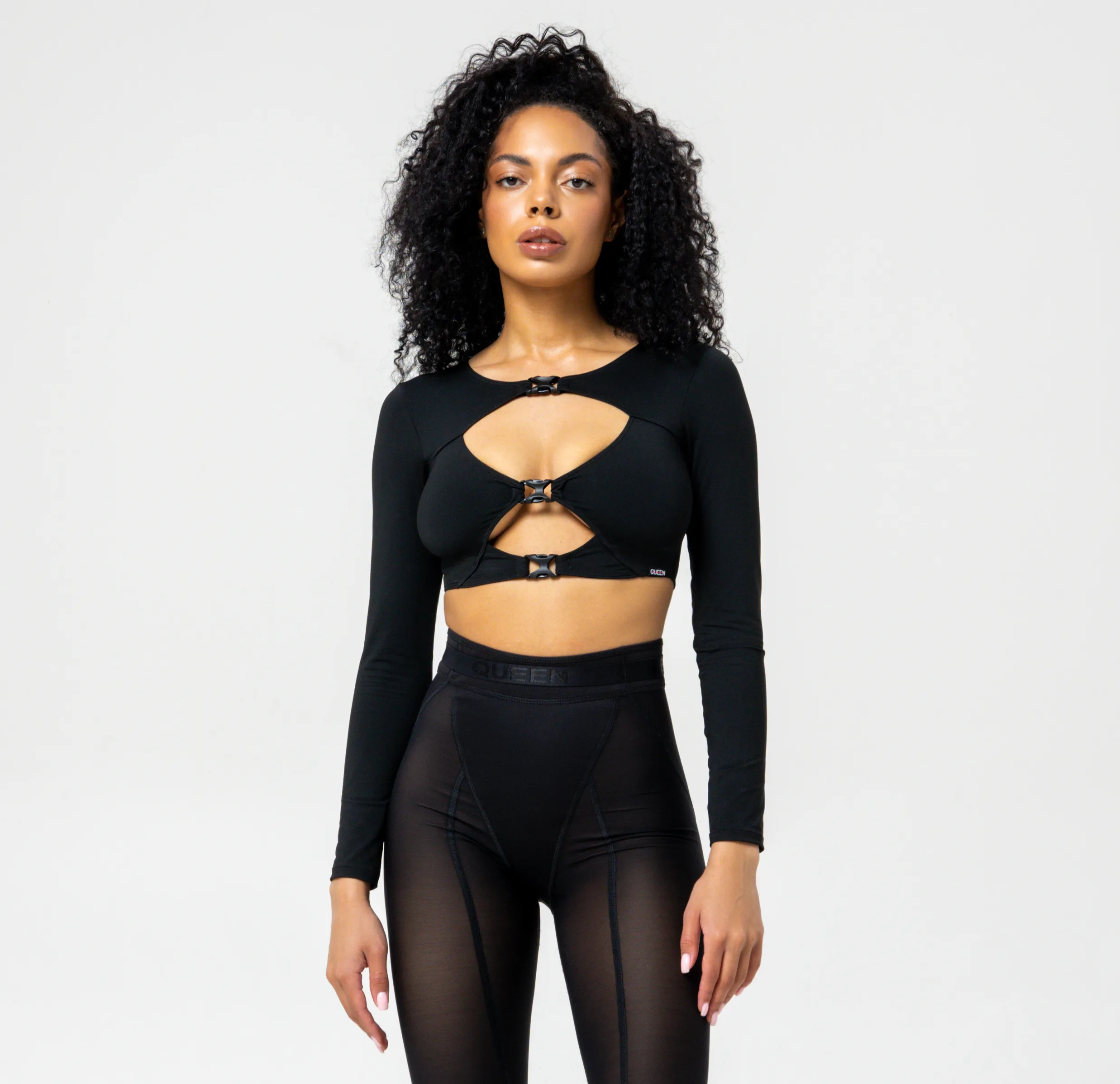
Choosing the right pole dance clothing is one of the first practical steps for anyone starting pole dance. The outfit you wear affects comfort, movement, grip, confidence, and even how safely you can perform certain tricks. Unlike regular fitness clothing, pole outfits need to support both athletic training and skin contact with the pole.
For beginners, this can feel confusing. Some classes require shorts and crop tops, while others allow leggings, bodysuits, or dancewear depending on the lesson style. The truth is simple: your clothing should match the type of training you are doing. A conditioning class, a heels choreography session, a floor work class, and a pole tricks class may all require slightly different outfits.
This guide explains what to wear for studio training, warm-ups, floor work, choreography, and beginner pole classes.
Why Pole Dance Clothing Is Different from Regular Activewear
Pole dance combines strength, flexibility, dance, acrobatics, and body control. Because of that, clothing has to do more than look good. It needs to help your body work with the pole.
The main difference is grip. For many pole tricks, your skin needs direct contact with the pole. This is why pole dancers often wear shorts, open-back tops, crop tops, or bodysuits with cutouts. Covered skin can slide, especially during sits, climbs, spins, and leg holds.
Good pole dance clothing should:
- Allow skin contact where grip is needed
- Stay in place during inversions, spins, and floor work
- Stretch without restricting movement
- Feel secure during dynamic choreography
- Support your body without uncomfortable seams or slipping
- Match the class style, from technique to performance training
This is why standard gym leggings and oversized T-shirts are not always ideal for pole training. They may be comfortable for warm-ups, but they can limit grip once you begin working on the pole.
What Beginners Should Wear to Pole Dance Classes
For a first pole class, you do not need a full professional outfit immediately. A simple combination of shorts and a fitted top is usually enough. The most important thing is that your arms, legs, and waist area can help you grip when needed.
A beginner-friendly pole outfit may include:
- Fitted shorts
- Sports bra or crop top
- Lightweight tank top for warm-up
- Bare feet or socks, depending on the class
- Optional layers for stretching before pole work
Avoid loose T-shirts, slippery leggings, heavy sweatpants, and clothing with metal details. Loose fabric can get in the way, while smooth or thick materials can make pole contact more difficult.
As you continue training, investing in proper dancewear for women can make practice more comfortable and motivating. Studio-ready dancewear is designed for movement, stretch, and performance, making it more suitable than casual sportswear.
Pole Dance Tops: What Works Best
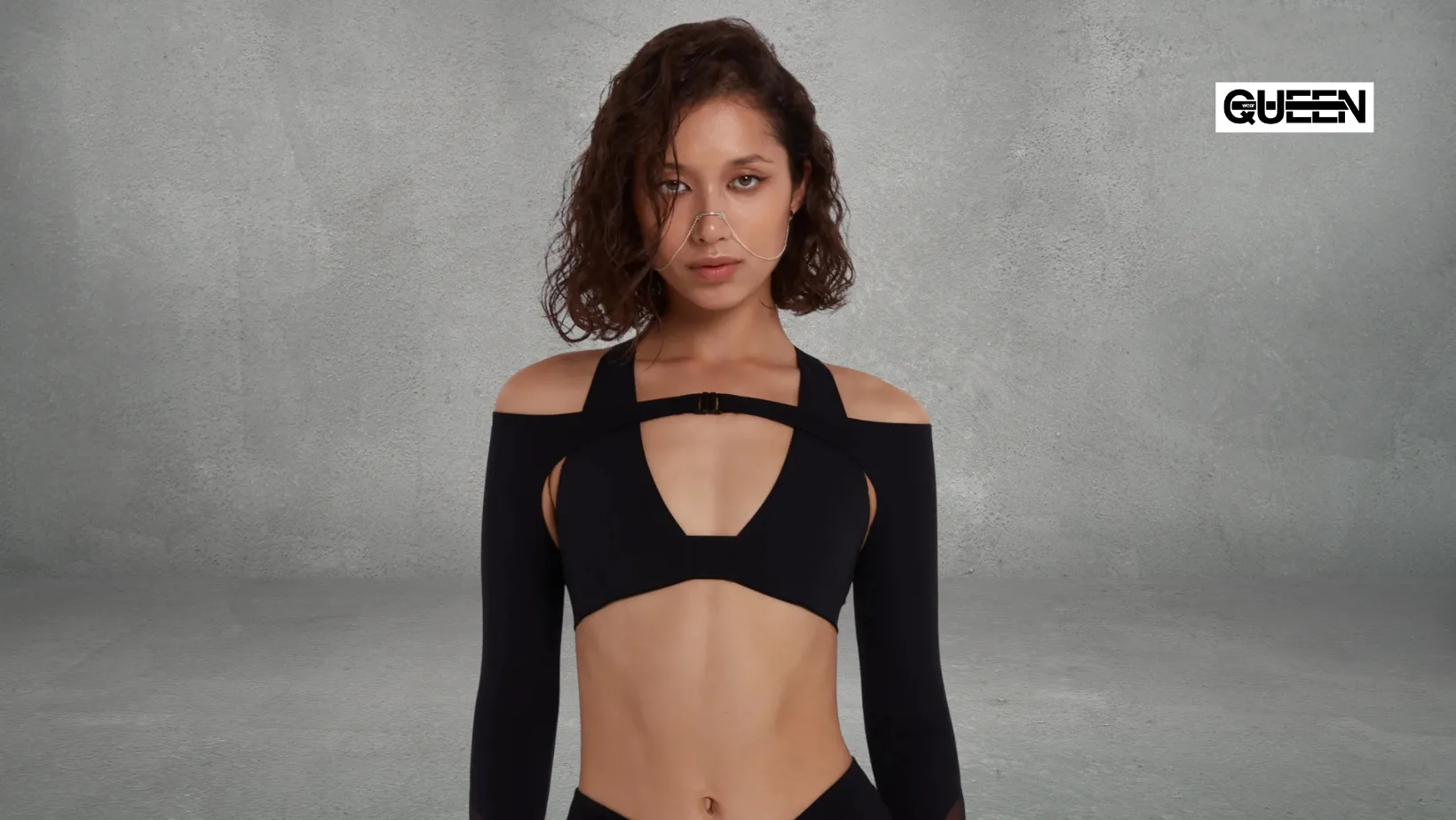
The right top depends on your level and the type of class. For beginner technique classes, fitted crop tops or sports-bra-style tops are usually the most practical. They allow shoulder and arm movement while keeping fabric controlled.
Pool dance tops should feel supportive without limiting your range of motion. For pole work, they should also expose enough skin around the arms, shoulders, upper back, or waist when needed for specific grips.
Good options include:
- Crop tops for beginner and intermediate classes
- Sports-bra-style tops for secure training
- Strappy tops for choreography and performance
- Open-back tops for advanced grip points
- Longline tops for dancers who want more coverage
A top should not ride up, twist, or need constant adjustment. During pole dance, you move through spins, bends, rolls, and transitions, so stability matters as much as style.
Pole Shorts: Why They Are Essential
Shorts are one of the most important parts of pole dance clothing. They allow your thighs, hips, and legs to grip the pole during sits, climbs, and holds. For many beginner tricks, wearing shorts makes learning easier and safer.
Pole shorts should be stretchy, secure, and not too loose. Very long shorts may cover areas needed for grip, while very loose shorts can shift during movement. High-waisted styles are popular because they feel supportive and stay in place during floor work and choreography.
For beginners, the best choice is usually a comfortable mid-coverage or high-waisted pair. As you become more confident, you may prefer smaller cuts for better grip and cleaner lines.
Pole Dance Bodysuits for Training and Choreography
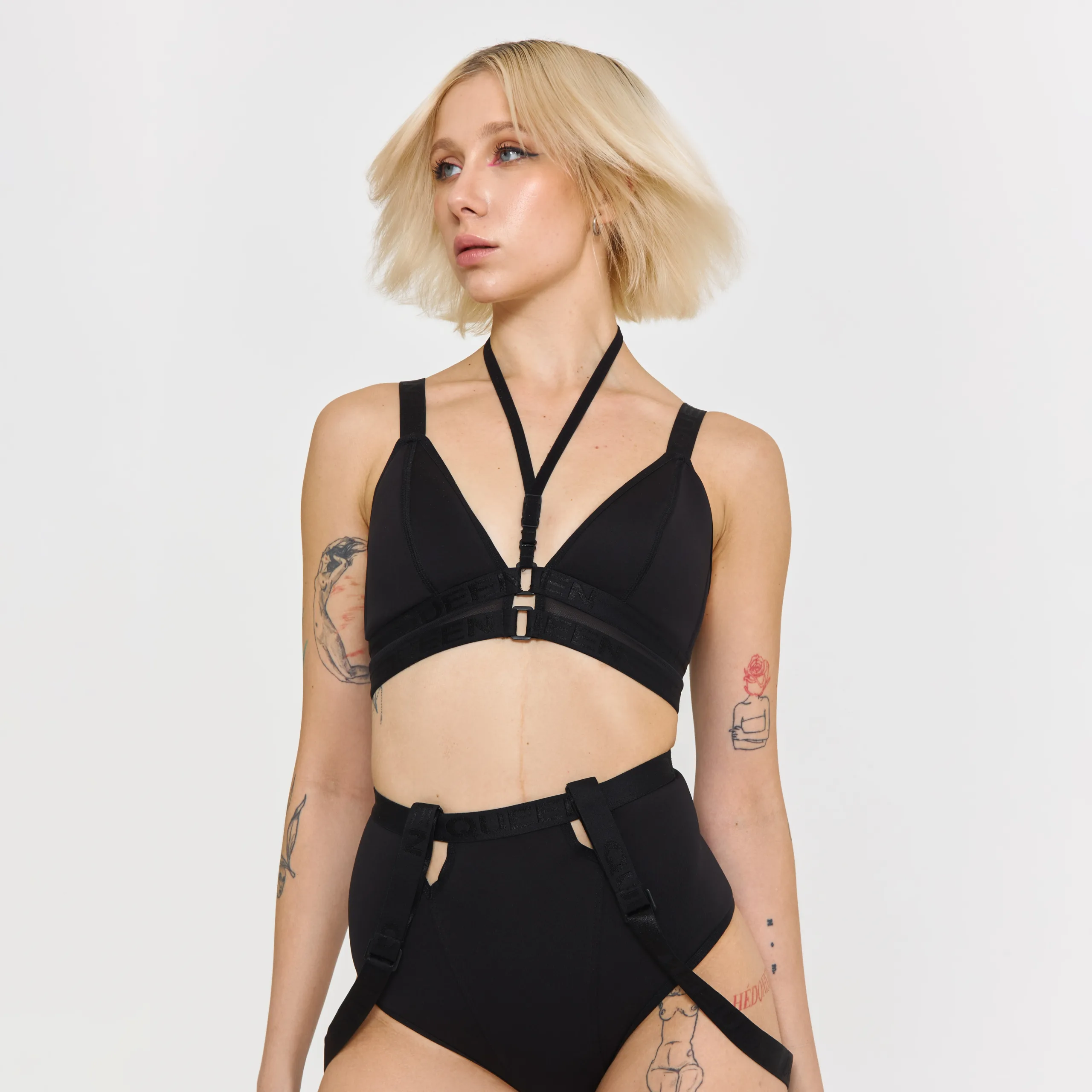
A pole dance bodysuit is a strong option for dancers who want a secure, polished studio outfit. Bodysuits are especially useful for choreography, photoshoots, heels classes, and performance-style training.
The advantage of a bodysuit is that it stays connected. You do not need to adjust a separate top and bottom during movement. Many pole bodysuits include cutouts, open backs, or high-leg designs to keep key grip areas available.
A bodysuit works well for:
- Choreography classes
- Floor work
- Exotic pole training
- Studio photoshoots
- Performance practice
- Dancers who want a complete outfit
For technical pole tricks, make sure the bodysuit does not cover the areas you need for grip. For example, if you are practicing thigh holds or waist grips, the design should leave enough skin exposed.
What to Wear for Warm-Up and Stretching
Warm-up clothing can be more covered than pole training clothing. At the beginning of class, your goal is to increase body temperature, mobilize joints, and prepare muscles. Layers are useful here, especially in colder studios.
You can wear:
- Leggings or joggers
- Long-sleeve crop top
- Lightweight hoodie
- Leg warmers
- Socks for stretching
- Soft dance shorts over tights
Once pole work begins, you may need to remove layers to improve grip. This is why many dancers arrive in warm-up clothing over their pole outfit.
For flexibility or conditioning classes that do not involve much pole contact, leggings and fitted tops can be comfortable. But for tricks, climbs, and sits, you will likely need more skin exposed.
What to Wear for Floor Work
Floor work requires clothing that can move smoothly across the floor while still protecting your skin. Unlike pole tricks, where skin grip is essential, floor work often involves slides, rolls, waves, transitions, and kneeling movements.
For floor work, consider:
- Bodysuits
- Dance shorts
- Knee pads
- Fitted tops
- Leggings for low-grip floor practice
- Socks or heels, depending on class style
Knee pads are especially useful for beginners. They protect your knees during drops, slides, and transitions. If your class includes a lot of choreography on the floor, comfort and coverage become more important.
A bodysuit or fitted dancewear set can work very well because it stays in place while you roll, arch, turn, and transition between floor and pole.
What to Wear for Pole Choreography
Pole choreography focuses on musicality, flow, lines, transitions, and expression. Clothing for choreography should support movement and help you feel confident. It can be more styled than basic training wear, but it still needs to be functional.
For choreography classes, dancers often choose:
- Matching pole sets
- Strappy tops and shorts
- Bodysuits
- Heels-friendly outfits
- Dancewear with mesh or cutout details
- Layers that can be removed during class
The outfit should match the choreography style. A slow sensual routine may work well with a bodysuit or strappy set, while a dynamic routine may need a more secure athletic outfit. The key is balance: the clothing should look expressive but still stay in place.
What Not to Wear to Pole Dance Training
Some clothing can make pole training harder or less safe. Beginners often make the mistake of wearing standard gym clothing that feels comfortable but does not work well on the pole.
Avoid:
- Body lotion or oily products before class
- Loose T-shirts
- Baggy sweatpants
- Very slippery leggings
- Jewelry that can scratch the pole
- Clothing with zippers, buckles, or metal decorations
- Tops that shift during inversions or spins
- Shorts that are too long for thigh grip
Also avoid applying moisturizer, oils, or heavy sunscreen before class. These products can make your skin slippery and reduce grip.
How to Choose the Best Pole Dance Clothing
When buying pole dance clothing, focus on fit, fabric, coverage, and training purpose. A beautiful outfit is only useful if it supports your movement.
Before choosing an outfit, ask:
- Does it allow enough skin contact for grip?
- Will it stay in place during spins and floor work?
- Is the fabric stretchy enough for splits, backbends, and transitions?
- Does the top provide enough support?
- Are the shorts comfortable for climbs and sits?
- Is the outfit suitable for my class type?
For beginners, it is better to start with versatile pieces. A reliable pair of pole shorts, a secure top, and one bodysuit can cover most studio needs.
Building a Beginner Pole Dance Wardrobe
You do not need many outfits to start pole dancing. A small, practical wardrobe is enough for regular studio training.
A beginner pole wardrobe may include:
- 2–3 pairs of pole shorts
- 2 secure pole tops
- 1 bodysuit for choreography or performance practice
- 1 pair of leggings for warm-up and stretching
- Knee pads for floor work
- Socks or heels depending on your class
- Lightweight layers for cold studios
As your training develops, you can add more specialized pieces for heels, exotic pole, photoshoots, competitions, or advanced tricks.
Final Thoughts
Pole dance clothing is not only about style. It affects grip, safety, movement, and confidence in the studio. Beginners should choose outfits that feel secure, allow enough skin contact, and support different types of training.
For pole tricks, shorts and fitted tops are usually the most practical. For choreography and floor work, bodysuits and expressive dancewear can help you move with more confidence. For warm-ups and stretching, layers keep the body comfortable before training begins.
The best pole outfit is one that lets you focus on movement instead of adjusting your clothes. With the right pieces, every class feels smoother, safer, and more enjoyable.