




 UA
UA  PL
PL What Is Twerking? Meaning, Origins & History of the Dance
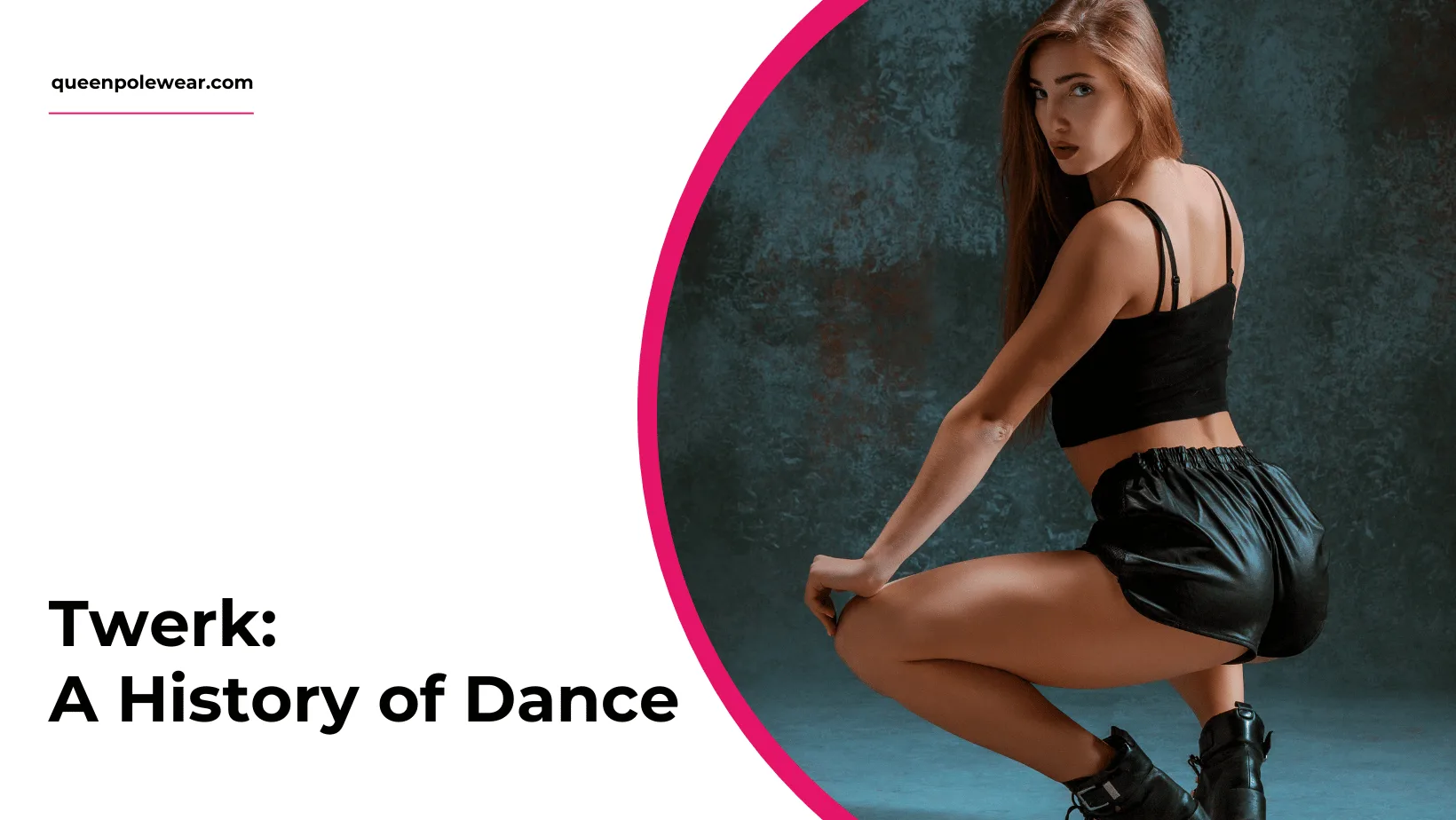
Twerking is a dance style built on rhythmic, isolated hip movements — shaking, popping, and bouncing the hips, usually in a squat or bent-knee position. Though many people see it as just a party move, twerking has deep historical roots in West African dance. Below we cover what twerking means, where it came from, who invented it, when it became popular, and why it carries such cultural weight. (If you’d rather learn the moves themselves, see our step-by-step guide on how to twerk.)
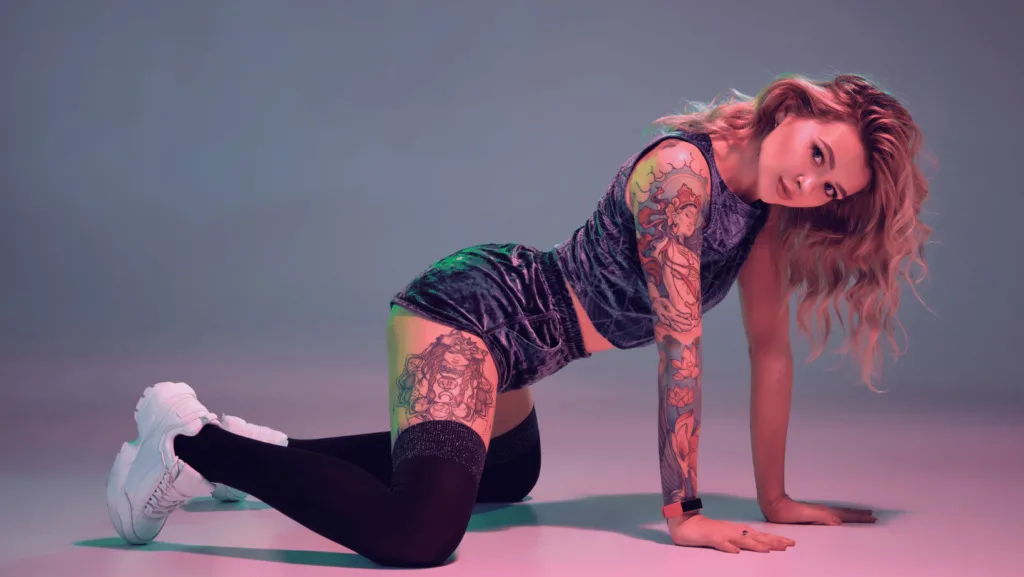
What Is Twerking? Meaning of the Word
Twerking is a style of dance that focuses on rhythmic, isolated hip movements — where the hips are shaken, popped, or bounced, often in a squat position. It highlights the flexibility, strength, and rhythm of the lower body. Despite its playful, party-style image, twerking is a highly athletic and expressive form of movement.
What does the word “twerk” mean? It’s widely believed to be a blend of “twist” and “jerk,” describing the quick, alternating motion of the hips. The term entered mainstream dictionaries in 2013, but the movement itself is far older than the word.
Twerking Origins: Where Did Twerking Originate?
Twerking originated in the rich dance traditions of West Africa. Its roots trace to dances like Mapouka from Côte d’Ivoire, where isolated hip movements are used in ceremonies, celebrations, and community gatherings. These movements weren’t created for sexual purposes — they were cultural, symbolic, and celebratory.
So, who invented twerking? No single person did. It’s better understood as collective cultural expression: many African communities developed hip-based dances centuries ago. When enslaved Africans were brought to the Americas, these traditions evolved, mixed with other cultural influences, and became the foundation for dances in Caribbean and Southern U.S. communities.
Twerking in the Modern Era: Who Started It?
Twerking in modern pop culture began in the 1990s in New Orleans, where the bounce music scene emerged. This high-energy genre featured dancers performing fast-paced hip movements now known as twerking. While countless performers contributed, DJ Jubilee is often credited with popularizing the term “twerk” in his 1993 song “Do the Jubilee All.”
When Did Twerking Become Popular?
Twerking became popular on a global scale in the early 2010s, driven by viral videos and celebrities. Pop stars like Beyoncé, Rihanna, and — most famously — Miley Cyrus at the 2013 VMAs brought twerking to mainstream stages. Platforms like YouTube and later TikTok amplified its reach, turning twerking into a worldwide trend.
Why Do People Twerk? The Purpose of Twerking
Why do people twerk? For some it’s pure fun. For others it’s a way to express confidence, femininity, or cultural pride, and a physical and emotional release. In African tradition, hip dances were often part of spiritual or fertility rituals, and even today dancers describe twerking as empowering and liberating.
Why Is Twerking Sexualized?
This has less to do with the dance itself and more with Western perceptions. When African and Caribbean cultural elements are viewed through a Eurocentric lens, they are often misunderstood or over-sexualized. Although rooted in cultural expression, twerking is frequently misrepresented in mainstream entertainment.
This misunderstanding also fuels moral debates, including questions like “Is twerking a sin?” Some conservative views label it inappropriate; others recognize it as a legitimate, empowering form of artistic expression. The answer often depends on cultural, religious, and personal beliefs.
Is Twerking Cultural?
Yes, and deeply so. Twerking is part of African, Caribbean, and Southern African-American traditions, symbolizing freedom, resilience, and joy. Viewed with cultural context, it reflects a rich history of dance that transcends generations and borders.
Health Benefits of Twerking: More Than Just Dance
Beyond its cultural depth, twerking is a genuine workout. Because it requires fast, repetitive hip movements, it engages the glutes, thighs, core, and lower back. Key twerking benefits for physical and mental wellness include:
- Strength building: strengthens the legs, glutes, and core.
- Cardio boost: elevates heart rate and improves cardiovascular endurance.
- Calorie burn: a 30-minute twerk session can burn hundreds of calories.
- Flexibility and coordination: increases hip mobility and balance.
- Mental health: releases endorphins, reduces stress, and boosts self-confidence.
If you want a dance workout that is both fun and empowering, twerking may be the perfect choice. Ready to try it? Start with our beginner guide on how to twerk step by step.
Popular Knee Pads for Twerking
Twerking often involves dynamic floor movements, deep squats, and repeated impact on your knees. To protect your joints and practise in comfort, many dancers use specialized knee pads. Whether you’re a beginner or advanced, quality gear helps you perform confidently and safely.
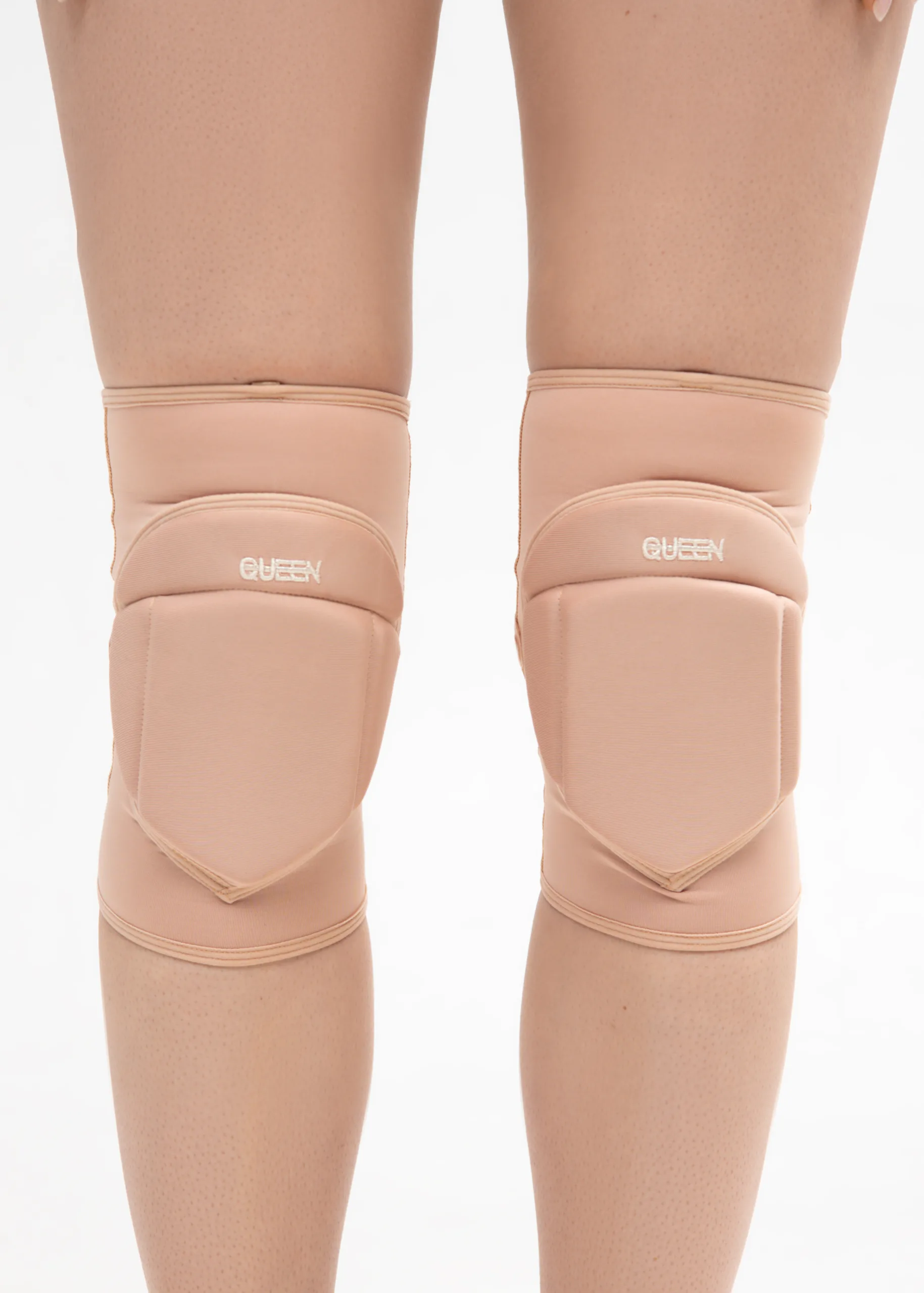
Here are some of the most popular knee pads for twerking:
- Classic Knee Pads – Sleek Black
Lightweight, stylish, and protective — ideal for beginners learning new twerk moves. - Classic Knee Pads – Black Fire
A bold design paired with reliable support for high-energy routines. - Dance Knee Pads – Sleek Black Pro 4
Designed specifically for dancers, with extra cushioning and flexibility. - Classic Knee Pads Pro 4 – Latte
Neutral tones with premium padding — perfect for long twerking sessions. - Knee Pads – Easy Way Black 4
Great for all levels; easy to wear, breathable, and durable.
Visit our store and choose the perfect knee pads for your twerking sessions — stay stylish, supported, and confident while you dance.
Conclusion: Twerking as Dance, Culture, and Empowerment
So, what is twerking? It’s a multifaceted form of dance rooted in culture, shaped by history, and rich with benefits — a cultural statement and an empowering form of self-expression. From its origins in African traditions to its role in modern pop culture, twerking continues to evolve and inspire.
Frequently Asked Questions
What does twerking mean?
Twerking means dancing with rhythmic, isolated hip movements — shaking, popping, and bouncing the hips, usually in a low, bent-knee stance. The word “twerk” is widely thought to combine “twist” and “jerk.”
Who invented twerking?
No single person invented twerking. It grew out of West African hip-based dances such as Mapouka and evolved over centuries. In modern pop culture, New Orleans bounce artists — notably DJ Jubilee, who used the word “twerk” in 1993 — helped popularize it.
Where did twerking originate?
Twerking originated in West Africa, with roots in traditional dances like Mapouka from Côte d’Ivoire. Those movements later evolved in Caribbean and Southern U.S. communities into the twerking we know today.
When was twerking invented and when did it start?
The hip movements behind twerking are centuries old, but the modern dance and the word “twerk” emerged in the New Orleans bounce scene around 1993. Twerking became a global trend in the early 2010s.
Is twerking a good workout?
Yes. Twerking is a genuine cardio and strength workout that engages the glutes, thighs, core, and lower back. A 30-minute session can burn hundreds of calories while improving hip mobility and coordination.
Is twerking cultural?
Yes. Twerking is deeply rooted in African, Caribbean, and Southern African-American traditions, where hip-based dance symbolizes freedom, celebration, and community — long before it entered mainstream pop culture.