




 UA
UA  PL
PL What to Wear to Heels Dance Class: Outfit, Shoes and Knee Pads
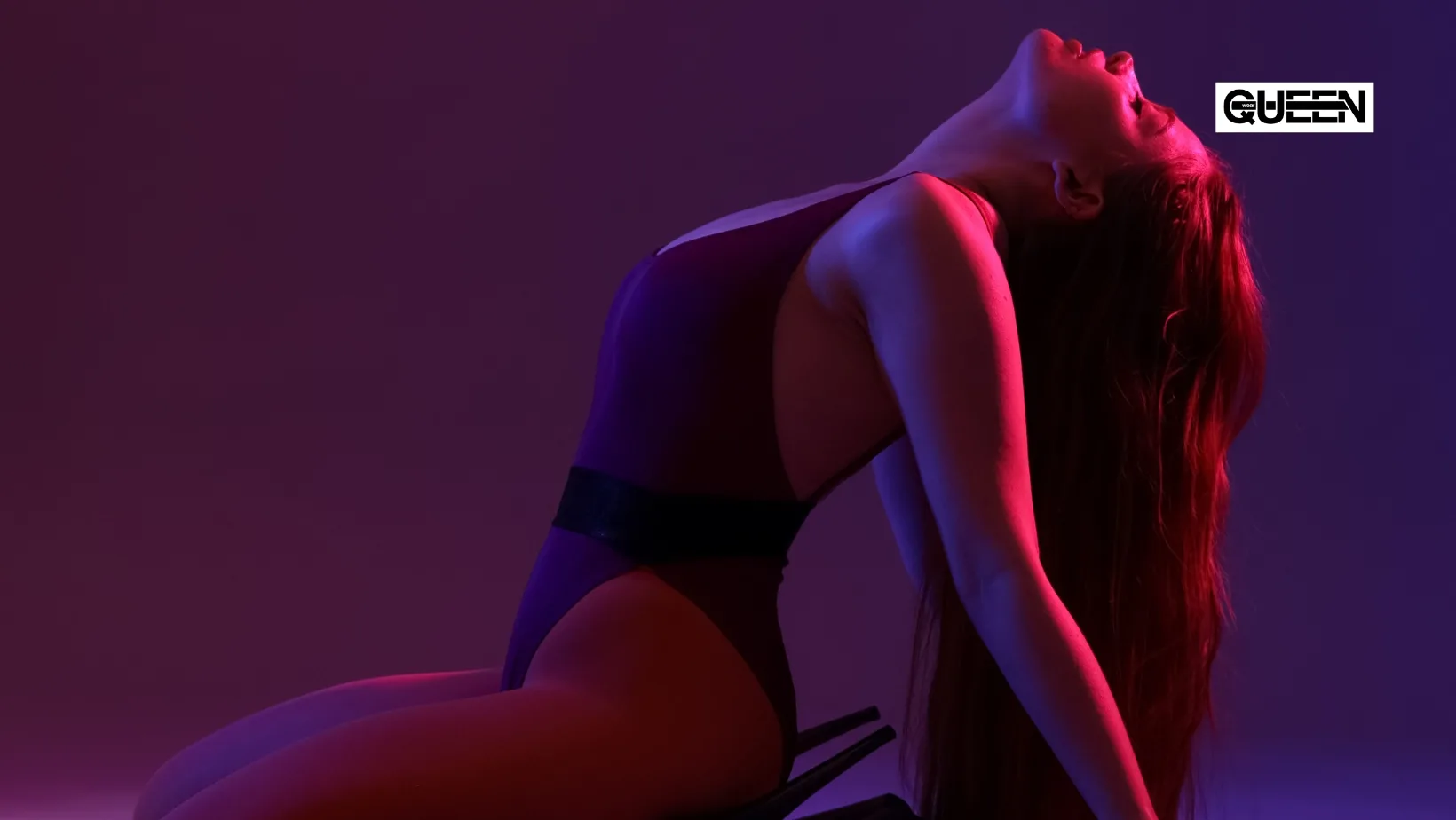
Choosing the right heels dance outfit can help you feel more confident, comfortable and ready to move. Heels dance is not only about beautiful shoes. It is a full-body style that combines posture, balance, lines, floor work, choreography and control.
Your outfit should support movement, stay in place and help you feel secure during class. The right shoes, fitted dancewear and knee protection can make a big difference, especially if you are new to heels or exotic pole choreography.
In this guide, we will explain what to wear to heels dance class, how to choose your shoes, when knee pads are useful and what kind of clothing works best for studio training. You can also explore Queen Wear’s heels dance outfit options if you are building your first class-ready look.
What Is a Heels Dance Outfit?
A heels dance outfit is clothing and footwear chosen specifically for dancing in heels. It should help you move smoothly, keep your body supported and allow your lines to look clean during choreography.
A good heels dance outfit usually includes:
- dance heels or pole heels;
- fitted shorts, leggings or bodysuit;
- supportive top;
- knee pads for floor work;
- optional layers for warm-up;
- accessories only if they do not restrict movement.
The best outfit depends on the class style. A beginner heels class may need a simpler and more comfortable look, while exotic pole or performance choreography may call for more grip, stronger knee protection and a bolder outfit.
Start with the Right Heels
Shoes are the most important part of a heels dance class. Regular high heels are usually not the best option because they are not designed for dance movement, floor transitions or pole choreography.
For heels dance, you need shoes that feel stable and secure. Depending on the class, you may wear classic dance heels, pole heels, platform sandals or boots.
When choosing heels, pay attention to:
- ankle support;
- heel height;
- platform stability;
- sole grip;
- comfort around the foot;
- secure straps or boot structure.
For beginners, boots often feel more stable than sandals because they support the ankle. Lower heels or moderate platforms can also be easier when you are still learning balance, weight transfer and basic technique.
Should Beginners Wear Pole Heels?
Beginners can wear pole heels if the class is designed for them. However, it is important to start with a pair that feels stable and not too high. You should be able to walk, turn and shift weight without feeling unsafe.
If you are new to heels, avoid choosing the tallest platform immediately. A more manageable height will help you focus on technique instead of fighting for balance.
For your first heels dance class, choose shoes that:
- hold your foot securely;
- do not slip off;
- allow controlled steps;
- feel stable during turns;
- do not cause pain after a few minutes.
Good shoes should support your confidence, not distract you from learning.
Clothing for Heels Dance Class
Your clothing should let you move freely and show your body lines. In heels dance, instructors often need to see your posture, hips, knees and shoulders to help with technique.
Loose clothes can hide alignment and get in the way during floor work. Very slippery fabrics can also make some movements harder to control.
For most heels dance classes, choose:
- fitted shorts;
- dance leggings;
- bodysuit;
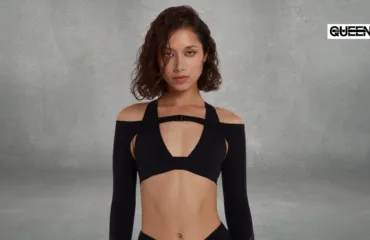
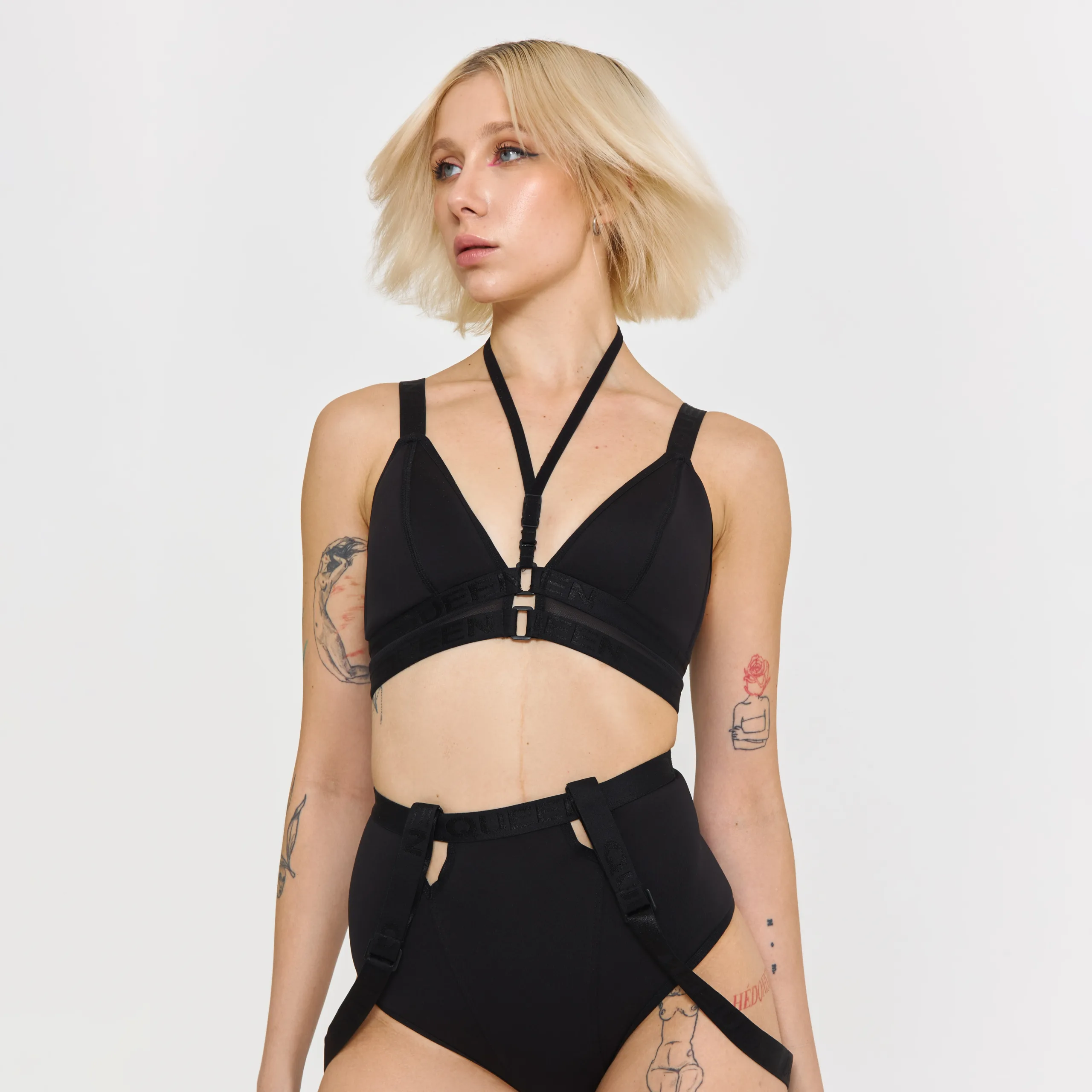
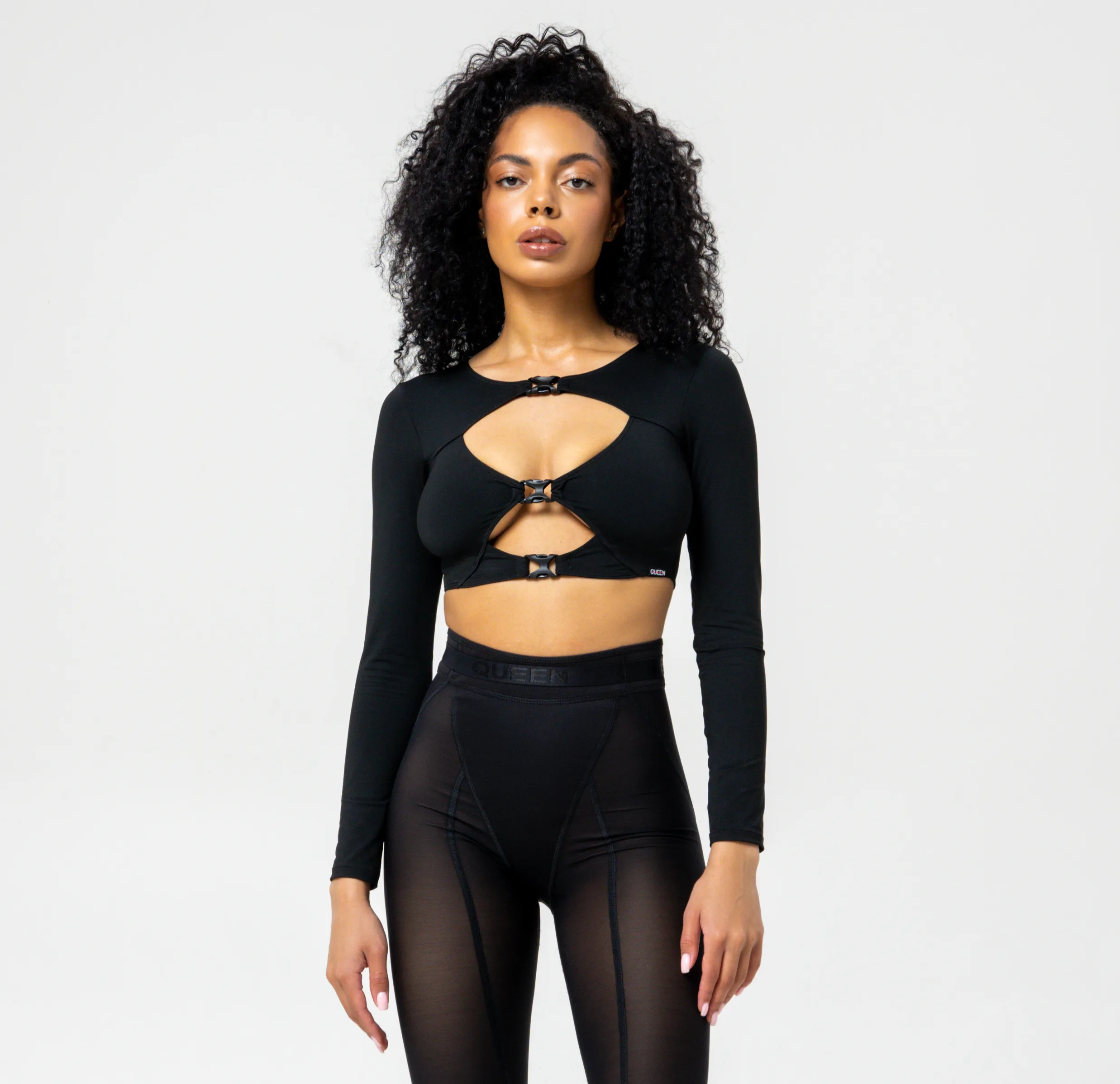
- crop top or supportive top;
- dance set;
- light warm-up layer.
You can browse Queen Wear’s dancewear for women if you want studio-ready clothing for heels, choreography, floor work and movement practice.
Shorts, Leggings or Bodysuit?
There is no single perfect outfit for every heels dance class. The best choice depends on the style of training and how much floor work or pole contact is included.
Shorts
Shorts are a good choice if your class includes pole elements, spins or movements where skin contact is useful. They also allow the legs to move freely and help show lines clearly.
Choose shorts that are fitted, stretchy and secure at the waist.
Leggings
Leggings can work well for beginner heels classes, warm-ups and choreography with less pole contact. They can also feel more comfortable if you want extra coverage.
Choose leggings that are flexible, not too slippery and comfortable for floor movement.
Bodysuit
A bodysuit is a great option if you want a complete look in one piece. It works well for choreography, floor work, photoshoots and performance-style training.
Choose a bodysuit that stays in place and does not limit movement through the hips, shoulders or back.
Why Knee Pads Are Useful
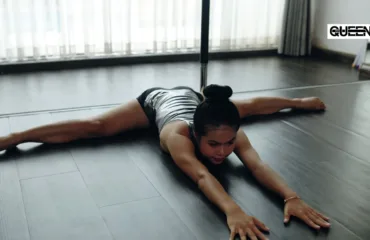
Knee pads are very helpful for heels dance, especially if your class includes floor work. Many heels choreographies involve kneeling, sliding, crawling, rolling and transitions close to the floor.
Without knee protection, repeated movement can become uncomfortable or painful. Knee pads help reduce pressure and protect the skin, so you can focus on the choreography.
Knee pads are useful for:
- floor work;
- low flow;
- exotic pole;
- heels choreography;
- knee slides;
- beginner transitions;
- repeated movement on hard studio floors.
If you are not sure whether you need them, bring them anyway. They take little space in your bag and can make class much more comfortable.
For extra protection, explore Queen Wear’s pole dance knee pads for floor work, heels and studio training.
What to Wear Under Your Outfit
Comfort starts with the right base layer. Choose underwear that stays in place and does not show more than you want during movement. Seamless styles can be useful under fitted shorts, leggings or bodysuits.
Avoid anything that digs in, rolls down or needs constant adjusting. During heels choreography, you may bend, turn, arch, kneel and move close to the floor, so every layer should feel secure.
What Not to Wear to Heels Dance Class
Some clothing and accessories can make heels dance harder or less comfortable. The goal is to avoid anything that restricts movement, causes slipping or distracts you during choreography.
Try to avoid:
- loose pants that cover your feet;
- oversized T-shirts during the main class;
- unstable everyday heels;
- shoes that slip off the foot;
- jewelry that gets in the way;
- stiff fabrics;
- body lotion or oil before class;
- clothing that needs constant adjusting.
If your outfit looks good but prevents you from moving freely, it is not the best choice for class.
What to Bring to Heels Dance Class
A few simple items can make your class more comfortable, especially if it is your first time.
Bring:
- heels or pole heels;
- knee pads;
- water;
- small towel;
- fitted dance outfit;
- socks for warm-up if needed;
- light layer for before and after class.
Some studios may have specific shoe rules, so it is worth checking the class description before you arrive.
How to Feel Confident in a Heels Dance Outfit
Many beginners feel nervous before their first heels class. That is completely normal. Heels dance can feel bold, expressive and unfamiliar at first, especially if you are not used to fitted clothing or dancing in heels.
Start with an outfit that feels secure. You do not need to choose the most dramatic look immediately. A supportive top, fitted shorts or leggings, stable heels and knee pads are enough for a strong first class.
As you gain confidence, you can experiment with bodysuits, matching sets, different heel styles and more expressive outfits.
Confidence comes from comfort, control and practice. When your outfit supports your movement, it becomes easier to focus on the music, technique and your own expression.
Final Tips
The best heels dance outfit should help you move with control, feel supported and stay comfortable throughout class. Start with stable heels, fitted dancewear and knee pads if floor work is included.
Choose clothes that stay in place, allow freedom of movement and match the type of choreography you are learning. For beginners, comfort and stability matter more than a perfect performance look.
Ready to build your class outfit? Explore Queen Wear’s heels dance outfit options for shoes, choreography, floor work and confident studio movement.