




 UA
UA  PL
PL Pole Dance Heels for Beginners: Boots or Sandals?
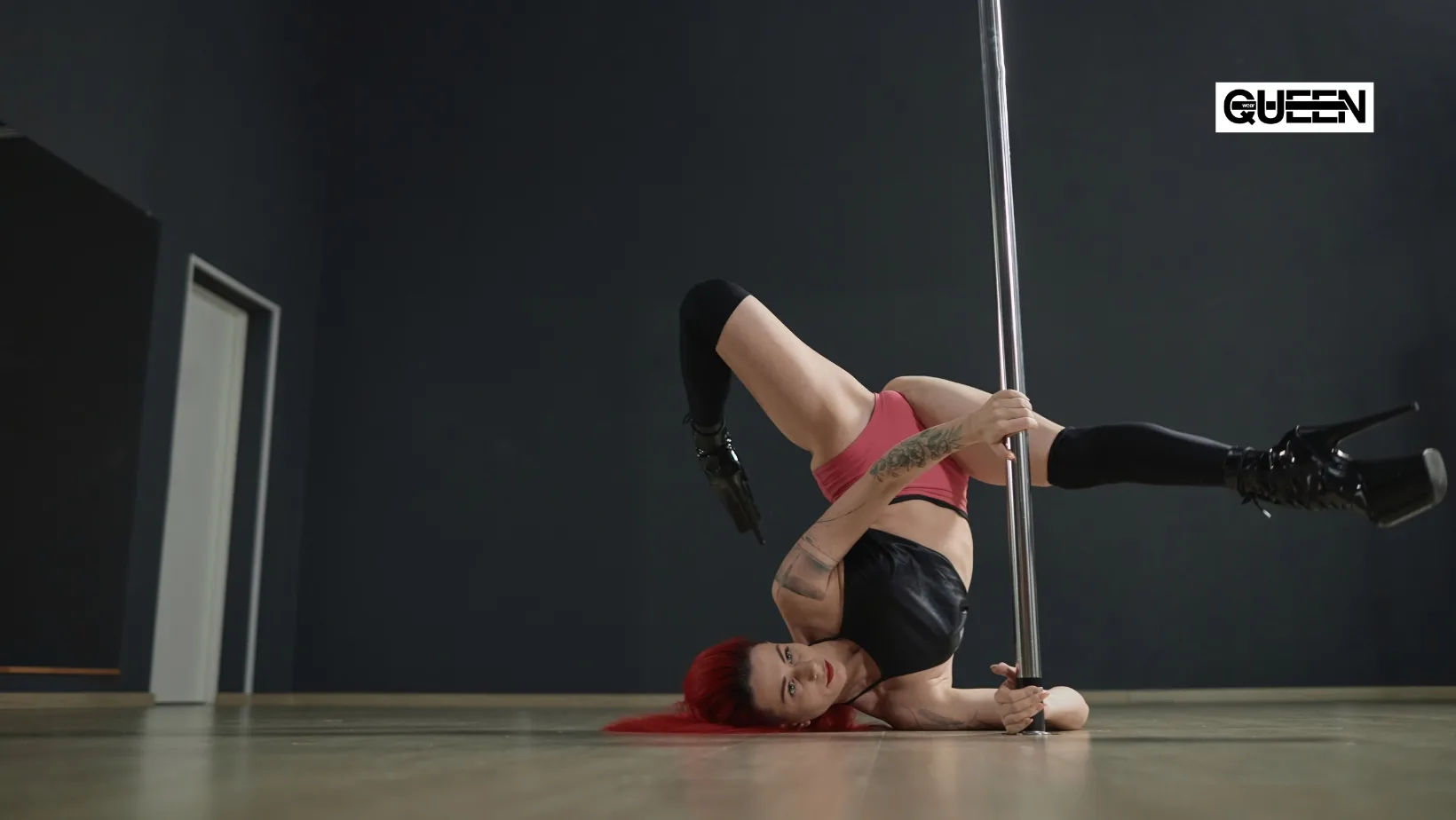
Choosing your first pole dance heels can feel exciting, but also a little confusing. There are different heel heights, platforms, colors, materials and two main styles beginners usually compare first: boots and sandals.
Both options can work for pole dance, heels choreography and exotic pole. The best choice depends on your level, ankle strength, class style and how much support you want while learning. For many beginners, boots feel more stable, while sandals can feel lighter and more flexible.
In this guide, we will compare pole dance boots and sandals, explain what to look for in your first pair and help you choose heels that feel comfortable, secure and beginner-friendly. You can also explore Queen Wear’s pole dance shoes if you are choosing your first pair for class.
Why Pole Dance Heels Are Different from Regular Heels
Regular fashion heels are not designed for pole dance. They may look beautiful, but they often do not provide the stability, platform structure or support needed for dance movement.
Pole dance heels are made for movement, balance, floor work and choreography. They usually have a strong platform, secure structure and a shape that helps dancers move with more control.
Good pole dance heels should help you:
- feel stable while walking;
- control your balance;
- move safely through transitions;
- support the foot and ankle;
- create clean leg lines;
- work with floor and pole choreography.
For your first classes, comfort and stability matter more than choosing the most dramatic height or design.
Boots vs Sandals: The Main Difference
The biggest difference between boots and sandals is ankle support.
Pole dance boots cover and support the ankle. This often makes them feel more secure, especially for beginners who are still learning balance and weight transfer.
Pole dance sandals are more open. They usually have straps around the foot and ankle, which makes them feel lighter and gives more freedom of movement.
A simple way to compare them:
- boots give more ankle support and stability;
- sandals feel lighter and more open;
- boots can feel safer for beginners;
- sandals can feel more flexible once you are comfortable in heels.
Both styles are useful. The right choice depends on what you want to feel during class.
Why Boots Are Often Better for Beginners
For many beginners, boots are the easier first choice. They hold the ankle more securely and can make walking, turning and learning basic choreography feel more controlled.
Pole dance boots are helpful if you:
- are new to dancing in heels;
- want more ankle support;
- feel unstable in open shoes;
- are learning basic heels technique;
- want more confidence during floor work;
- prefer a secure fit around the foot.
Boots can also help reduce the feeling that your foot is sliding around. Because they wrap around the ankle and foot, they often feel more locked in than sandals.
This does not mean boots make everything easy. You still need to practice balance, control and technique. But for a first pair, boots often give beginners a more stable starting point.
When Sandals Can Be a Good Choice
Sandals can also work for beginners, especially if you already feel comfortable in heels or you want a lighter shoe. They can give a more open look and often feel less heavy than boots.
Pole dance sandals may be a good choice if you:
- already have good balance in heels;
- prefer a lighter shoe;
- want more ankle freedom;
- like a more classic pole heel look;
- are comfortable with straps;
- are taking a beginner-friendly heels class.
The main thing is fit. Sandals should hold your foot securely. If the straps feel loose or your foot slides forward, they will not feel safe or comfortable during class.
For beginners, sandals with secure ankle straps are usually better than very minimal designs.
What Heel Height Should Beginners Choose?
It may be tempting to start with very high platforms, but beginners usually feel better with a more manageable height. A lower or moderate heel gives you more control while you learn basic walking, turns, floor transitions and weight placement.
When choosing heel height, think about:
- your current balance;
- your ankle strength;
- the type of class;
- how much floor work you will do;
- whether you feel stable when walking;
- whether the shoes feel comfortable after several minutes.
Your first pole heels should help you train safely. You can always move to higher platforms later when your technique improves.
Fit Is More Important Than Style
Beautiful shoes are tempting, but fit should come first. If your heels do not fit well, even the best design will be uncomfortable during class.
Good beginner pole dance heels should:
- hold the foot securely;
- not slip off;
- not squeeze the toes painfully;
- feel stable when standing;
- allow controlled walking;
- stay comfortable during movement.
For boots, check that they support the ankle without feeling too tight. For sandals, check that the straps keep your foot in place and do not dig into the skin.
Which Is Better for Floor Work?
Both boots and sandals can work for floor work, but they feel different.
Boots often feel more protective and stable during floor transitions. They can give extra confidence when you are rolling, sliding or moving close to the floor.
Sandals can feel lighter and may create cleaner lines for some dancers. However, because they are more open, they may feel less secure if you are still learning how to control your feet and ankles.
For beginner floor work, boots are often the safer and more comfortable choice. Once you feel confident, sandals can be a good option for more styling variety.
What to Wear with Pole Dance Heels
Your outfit should support your movement and match the type of class. If you are dancing in heels, you may also need knee pads, especially if the class includes floor work.
A beginner heels outfit can include:
- fitted shorts or leggings;
- supportive top;
- bodysuit;
- knee pads;
- boots or sandals;
- light warm-up layer.
You can also browse Queen Wear’s dancewear for women if you want studio-ready clothing for heels, choreography and floor work.
Do You Need Knee Pads with Pole Heels?
Knee pads are strongly recommended for many heels classes. Heels choreography often includes kneeling, sliding, rolling and transitions close to the floor. Without knee protection, repeated floor contact can become uncomfortable.
Knee pads are useful for:
- floor work;
- low flow;
- exotic pole;
- heels choreography;
- beginner transitions;
- repeated practice on studio floors.
If you are buying your first pole heels, it is also worth considering pole dance knee pads for comfort and protection during class.
What to Avoid When Buying Your First Pair
Some shoes may look impressive but may not be practical for beginners. Your first pair should help you learn, not make every step feel harder.
Try to avoid:
- very high platforms if you are not ready;
- shoes that feel loose;
- straps that do not hold the foot;
- boots that are too tight around the ankle;
- everyday heels not made for dance;
- shoes that hurt after a few minutes;
- designs that feel unstable when walking.
Your first pole dance heels should feel supportive, secure and manageable.
Final Tips
So, should beginners choose boots or sandals? For most beginners, boots are the easier first option because they provide more ankle support and stability. They can help you feel safer while learning basic heels technique, floor work and choreography.
Sandals can also be a good choice if you already feel comfortable in heels, want a lighter shoe or prefer a more open style. The most important thing is that your heels fit well, feel stable and support your movement.
Start with comfort, control and safety. As your confidence grows, you can experiment with different heights, colors, materials and styles.
Ready to choose your first pair? Explore Queen Wear’s pole dance shoes for beginner-friendly boots, sandals and class-ready styles.