




 UA
UA  PL
PL Pole Dance Heels for Beginners: How to Choose Your First Pair
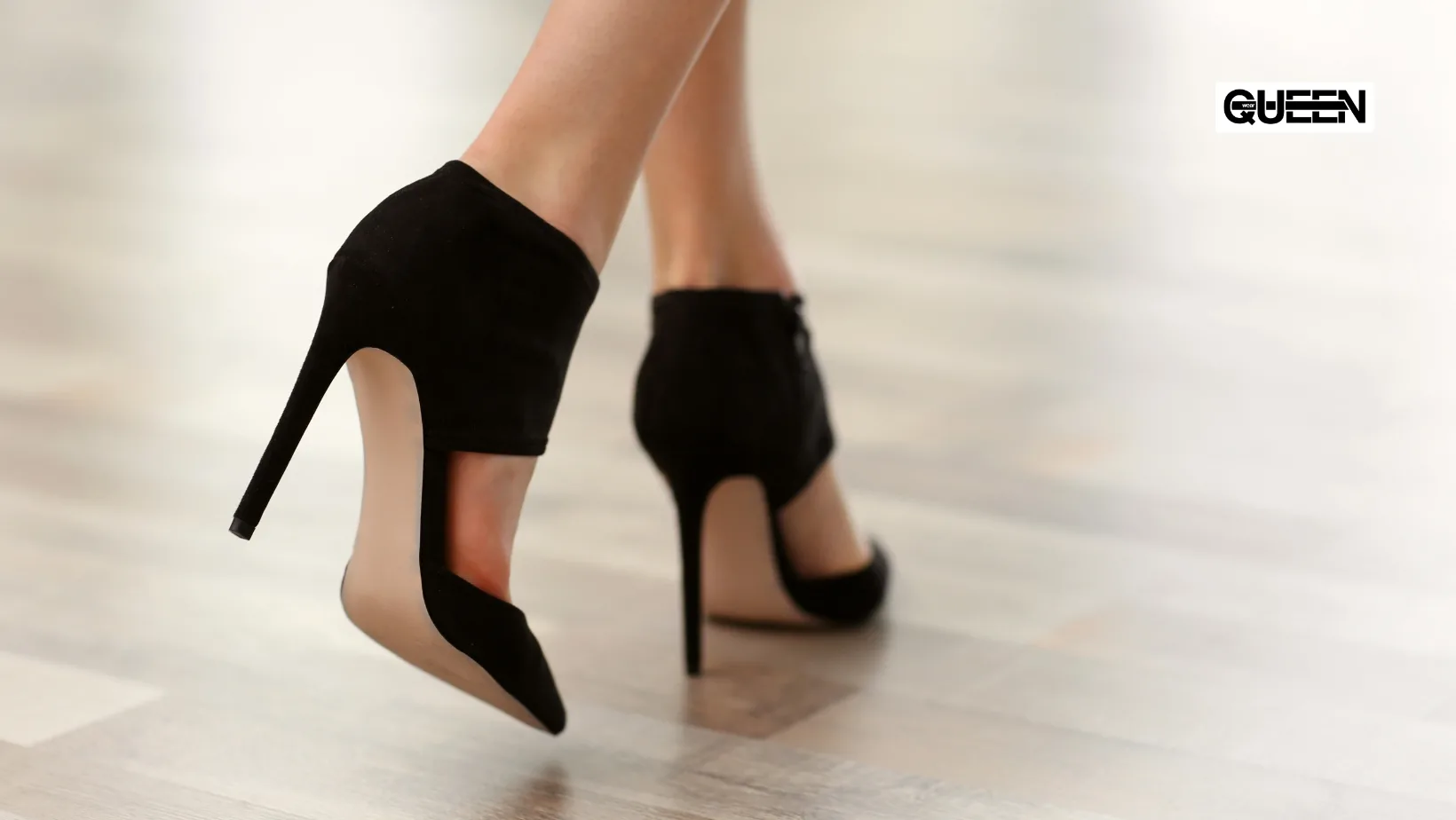
Choosing your first pole dance heels can feel exciting and intimidating at the same time. Heels are a major part of many pole styles, especially exotic pole, heels choreography, low flow and performance training. They change posture, lines, balance, movement quality and the way you connect with the floor.
For beginners, the biggest questions are usually simple: what height should I choose, are boots or sandals better, will they be stable enough, and do I need heels if I am just starting pole dance? The right first pair should help you feel supported, not overwhelmed. You do not need the highest platform or the most dramatic design at the beginning. You need shoes that feel secure, fit well and match your class style.
This guide explains how to choose pole dance heels for beginners by platform height, shoe type, stability, fit and training purpose.
What Are Pole Dance Heels?
Pole dance heels are not the same as regular high heels. They are designed for dance movement, floor work, tricks, transitions and performance. Most pole heels have a platform under the front of the foot and a high heel at the back. This structure creates height while keeping the foot angle more manageable than it may look from the outside.
The platform changes how the body moves. It can make leg lines look longer, help with slides, support certain floor transitions and add visual impact to choreography. In exotic pole and heels classes, the shoes become part of the technique.
Good pole dance heels should:
- Feel stable on the floor
- Support the ankle and foot
- Allow controlled movement
- Work with floor work and transitions
- Match your level and class type
- Fit securely without slipping
- Help you feel confident rather than restricted
The goal is not just to look taller. The right heels should support movement and help you build control.
Do Beginners Need Pole Dance Heels?
Not every beginner needs heels immediately. If your first classes focus on basic pole tricks, spins, conditioning or strength, you may start barefoot. Many beginner pole classes are taught without heels because the goal is to learn grip, body awareness and safe technique first.
However, if you are joining a heels class, exotic pole class or choreography class, pole heels may be expected. In these styles, the shoes are part of the movement vocabulary. They affect how you walk, slide, roll, pivot and create lines.
Pole dance heels may be useful for beginners who want to train:
- Exotic pole
- Heels choreography
- Low flow
- Floor work
- Performance style
- Sensual movement
- Studio routines with heels technique
If you are unsure, check the class description. A general beginner pole class usually does not require heels, while a beginner heels or exotic class often does.
Why Regular High Heels Are Not a Good Substitute
Regular fashion heels are usually not suitable for pole dance. They may look similar, but they are not built for the same type of movement. Fashion heels often have thinner soles, less stable construction and materials that are not designed for floor slides, edge work or repeated choreography.
Pole dance heels are made for dance use. Their platforms help absorb contact with the floor, and their shapes are designed for controlled movement. They also tend to offer better stability for the height.
Regular heels can create problems such as:
- Less balance during transitions
- Poor ankle support
- Slipping on the floor
- Weak soles or unstable construction
- Discomfort during floor work
- Higher risk of twisting the foot
- Difficulty learning proper heels technique
For safe and confident training, it is better to use shoes made specifically for pole dance and heels choreography.
Platform Height: What Should Beginners Choose?
Platform height is one of the biggest decisions when choosing your first pair. Pole heels can look very high, but the platform reduces the actual angle of the foot. Still, height affects balance, control and confidence.
For beginners, a moderate platform is usually the best starting point. Very high heels can look impressive, but they require more ankle control, balance and experience.
Common beginner-friendly options include:
- Lower platforms for maximum stability
- Medium platforms for a balance of height and control
- Classic beginner heel heights that feel secure without being too intense
- Styles that allow you to walk, pivot and slide comfortably
A first pair should feel manageable. You should be able to stand, walk, shift weight, kneel, rise and move through basic transitions without feeling unstable.
If you are completely new to heels, start lower rather than higher. Once you build strength and confidence, you can move to taller platforms.
Stability: What Makes Pole Heels Feel Secure?
Stability depends on more than heel height. The shape of the platform, the fit around the foot, ankle support and sole construction all matter.
Stable pole heels should:
- Fit snugly without crushing the foot
- Keep the foot from sliding forward
- Support the ankle during movement
- Have a platform that feels balanced
- Allow controlled weight shifts
- Stay secure during floor work and transitions
Beginners often feel more stable in boots because they support the ankle. Sandals can also work well, but they require more foot and ankle control.
When trying on your first pair, pay attention to whether your foot moves inside the shoe. If your toes slide too far forward or your heel lifts excessively, the fit may not be secure enough for training.
Boots vs Sandals: Which Are Better for Beginners?
One of the most common questions is whether beginners should choose boots or sandals. Both can work, but they feel different.
Pole Dance Boots
Pole dance boots cover the foot and usually support the ankle. Many beginners prefer boots because they feel more secure and protective. They can make it easier to build confidence while learning heels technique.
Boots are a good choice if you want:
- More ankle support
- Better foot coverage
- A secure feel during floor work
- Extra confidence while learning
- More protection for the toes
- A strong visual look for choreography
Boots can be especially useful for floor work because the covered foot may feel more protected during slides, drags and transitions. They also pair well with exotic pole and performance-style outfits.
The main downside is that boots can feel warmer and heavier than sandals. They may also take a little time to break in.
Pole Dance Sandals
Pole dance sandals are lighter and more open. They expose more of the foot and often create a clean, elegant line. Many dancers love sandals for choreography, photoshoots and classic heels work.
Sandals are a good choice if you want:
- A lighter shoe
- More visible foot lines
- A less covered look
- Easier styling with different outfits
- More flexibility around the ankle
- A classic pole heels appearance
For beginners, sandals can work well if the straps hold the foot securely. Adjustable ankle straps are especially useful. The shoe should not feel loose or unstable.
If you have weak ankles, feel nervous in heels or plan to do a lot of floor work at first, boots may feel easier. If you already have some confidence in heels and want a lighter look, sandals may be a good first choice.
Closed-Toe vs Open-Toe Heels
Some pole dance heels are open-toe, while many boots have closed toes or peep-toe designs. The right choice depends on comfort, style and training purpose.
Open-toe heels can create a longer visual line and are common in sandals. They can feel lighter and more elegant, but the toes are more exposed.
Closed-toe boots offer more protection. They can be practical for beginners who are still learning how to move around the floor, point through the shoe and control transitions.
For beginners, closed-toe or peep-toe boots often feel safer and more stable. Sandals with secure straps can also be a good option if they fit properly.
Fit: How Pole Dance Heels Should Feel
Fit is one of the most important factors. Pole heels should feel snug and secure, but not painfully tight. A loose shoe can be dangerous because the foot may slide, twist or lift inside the shoe.
A good fit means:
- The foot feels supported
- The ankle feels stable
- The toes are not painfully compressed
- The heel does not slip excessively
- The shoe does not cut into the skin
- You can point, flex slightly and shift weight
- The shoe stays secure during movement
For boots, the ankle area should feel supportive without restricting circulation. For sandals, the straps should hold the foot firmly without digging in.
If you are between sizes, check the brand’s sizing guidance. Some dancers prefer a snugger fit for sandals and slightly more room in boots, but the shoe should never feel unstable.
Materials: Patent, Matte and Suede-Look Finishes
Pole dance heels come in different finishes. The material affects appearance, floor contact and sometimes grip against the pole.
Patent finishes have a shiny look and are popular for exotic pole. They can sometimes create more contact with the pole during certain movements, depending on the surface and technique.
Matte finishes often look more understated and versatile. They may feel easier to style for regular studio practice.
Suede-look or softer finishes can look elegant, but they may behave differently on the floor and may require more care.
For beginners, material choice should come after stability and fit. Choose a finish you like, but prioritize a shoe that feels secure and suitable for your class.
How Pole Heels Affect Movement
Pole heels change your movement in several ways. They shift your posture, lift the body, lengthen the leg line and change how you place weight through the foot. This is why learning heels technique is important.
In pole dance heels, you may need to practice:
- Walking with control
- Rolling through the platform
- Pivoting safely
- Moving between standing and floor positions
- Sliding with the shoe
- Pointing through the leg line
- Controlling the ankle during transitions
At first, heels can feel heavy or unfamiliar. That is normal. Beginners should move slowly and focus on control before trying fast choreography or advanced floor tricks.
First Pair Checklist for Beginners
When choosing your first pair, focus on comfort, safety and training purpose. A dramatic pair can be tempting, but your first heels should help you learn.
A beginner-friendly first pair should have:
- Manageable platform height
- Secure fit
- Stable construction
- Good ankle support
- Comfortable straps or boot structure
- A style suitable for your class
- Enough confidence for walking, kneeling and floor transitions
For many beginners, boots with moderate height are the easiest first choice. For others, secure sandals with adjustable straps may work well. The best option is the one that feels stable on your body.
What Heel Height Should You Avoid at First?
Very high platforms can be challenging for beginners. They require more ankle strength, better balance and more confidence with weight shifts. Starting too high may make movement feel less controlled.
At first, avoid heels that:
- Feel unstable when standing still
- Make walking difficult
- Cause your foot to slide forward
- Feel too heavy for basic movement
- Create ankle wobbling
- Distract you from learning technique
You can always move to higher heels later. Building confidence in a manageable pair is better than struggling in a pair that feels too advanced.
How to Practice Safely in Pole Dance Heels
When you get your first pair, do not jump straight into fast choreography. Give your body time to adjust.
Start by practicing:
- Standing posture
- Slow walking
- Weight shifts
- Basic pivots
- Kneeling and standing up
- Simple floor transitions
- Controlled body waves
- Low-flow movements
Use a clean, suitable floor and stay close to support when needed. Avoid rushing into jumps, drops or fast spins until you feel stable.
Heels technique is a skill. The more controlled your basics are, the safer and more expressive your movement will become.
What to Wear with Pole Dance Heels
Pole heels are usually worn with fitted pole outfits that allow movement and grip. For heels choreography, many dancers choose shorts, bodysuits, crop tops or matching sets.
Good outfit combinations include:
- Boots with high-waisted shorts and a supportive top
- Sandals with a bodysuit for clean lines
- Patent boots with exotic pole outfits
- Heels with knee pads for floor work
- Sandals with a strappy set for choreography
Knee pads are especially useful for beginners in heels classes. Floor work often includes kneeling, slides and transitions, so knee protection can make training much more comfortable.
Common Mistakes When Buying First Pole Heels
Beginners often choose heels based only on appearance. Style matters, but function matters more for the first pair.
Common mistakes include:
- Choosing heels that are too high too soon
- Buying fashion heels instead of pole heels
- Ignoring ankle support
- Choosing sandals that do not hold the foot securely
- Buying boots that are too loose
- Prioritizing color over fit
- Not considering the class style
- Practicing fast movement before learning basics
The best first pair should help you feel stable, supported and ready to learn.
How Many Pairs of Pole Heels Do You Need?
For beginners, one good pair is enough. You do not need multiple styles immediately. Start with a pair that works for your main class type.
A practical first choice may be:
- Boots if you want more ankle support and security
- Sandals if you want a lighter, more classic look
- Moderate height if you are completely new to heels
- A neutral color if you want easy styling with different outfits
As you progress, you may add different pairs for choreography, photoshoots, exotic pole, performances or specific outfits.
Final Thoughts
Pole dance heels can transform the way you move, but the first pair should be chosen with care. For beginners, stability, fit and comfort matter more than extreme height or dramatic design. A secure pair of heels will help you build confidence, learn technique and enjoy movement without unnecessary fear.
Boots often feel easier for beginners because they support the ankle and protect the foot. Sandals can also work well if they fit securely and you feel comfortable in them. Platform height should be manageable, especially at the beginning.
When choosing pole dance heels, focus on support, stability, fit, platform height and class type. The right pair will help you feel grounded, confident and ready to explore heels choreography step by step.