




 UA
UA  PL
PL What to Wear to Pole Dancing Class: A Beginner-Friendly Outfit Guide
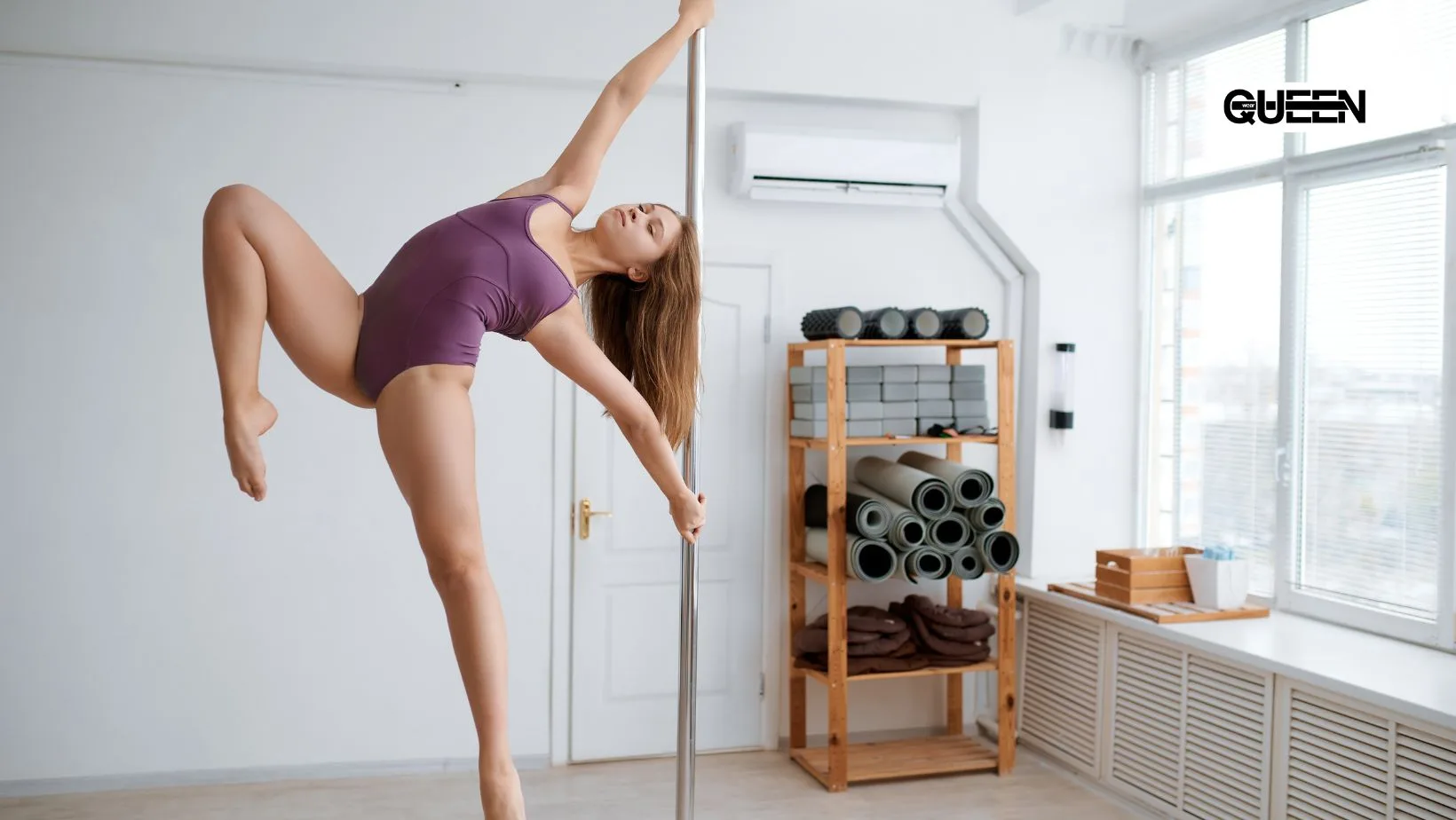
Going to your first pole dancing class is exciting, but it can also bring one very common question: what to wear to pole dancing class? The right outfit can make your training more comfortable, help you move freely, and give your body the grip it needs on the pole.
Pole dance is different from a regular gym workout. You will stretch, spin, climb, sit on the pole, move on the floor, and use your whole body. Because of this, your outfit should be practical, secure, and designed for movement.
In this guide, we will explain what beginners should wear to pole dancing class, which clothes to avoid, why skin contact matters, and how to choose the best pole dance outfit for your first training session. You can also explore Queen Wear’s pole dance wear collection if you want comfortable pieces created for pole practice, choreography, and studio training.
Why Your Pole Dancing Outfit Matters
Your pole dancing outfit is not only about style. It directly affects your comfort, confidence, and ability to grip the pole.
In many pole dance moves, your skin helps create contact with the pole. This is especially important for moves such as pole sits, climbs, spins, and transitions. If your clothes cover too much skin or are made from slippery fabric, some movements may become harder.
A good pole dance outfit should help you:
- move without restriction;
- feel supported during training;
- keep enough skin available for grip;
- stay comfortable during warm-up and floor work;
- feel confident in class.
You do not need a professional performance outfit for your first class. The best choice is a simple, fitted, comfortable outfit that allows your body to move naturally.
What to Wear to Your First Pole Dancing Class
For your first pole dancing class, keep your outfit simple. You do not need too many layers or complicated styling. The main goal is comfort, safety, and freedom of movement.
A beginner-friendly pole dance outfit usually includes:
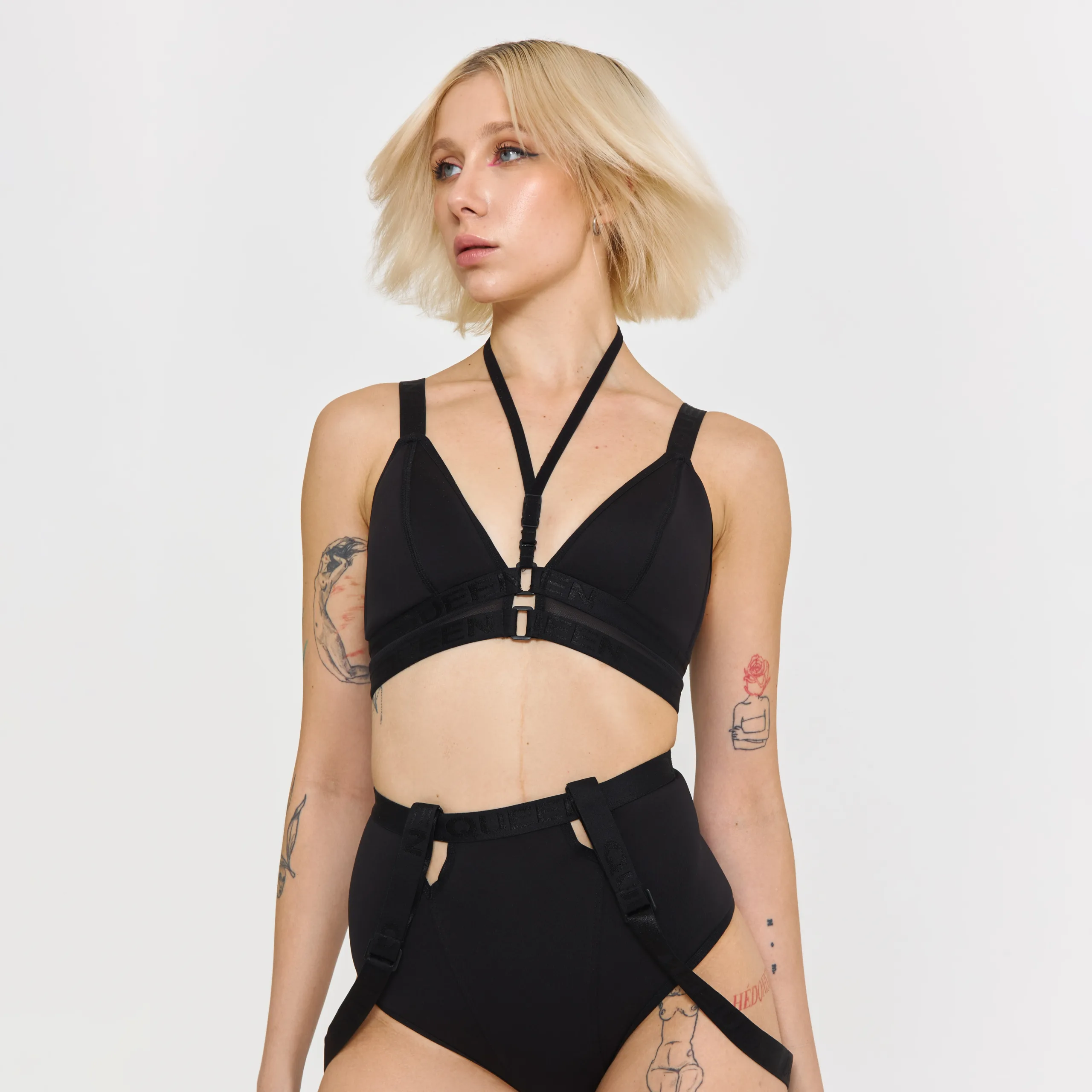
- a supportive sports bra or pole top;
- fitted pole dance shorts;
- optional knee pads;
- bare feet or socks, depending on the class;
- a light layer for warm-up.
This combination works well for most beginner pole classes because it gives your instructor a clear view of your body lines and allows you to practice basic movements comfortably.
Choose a Supportive Pole Dance Top
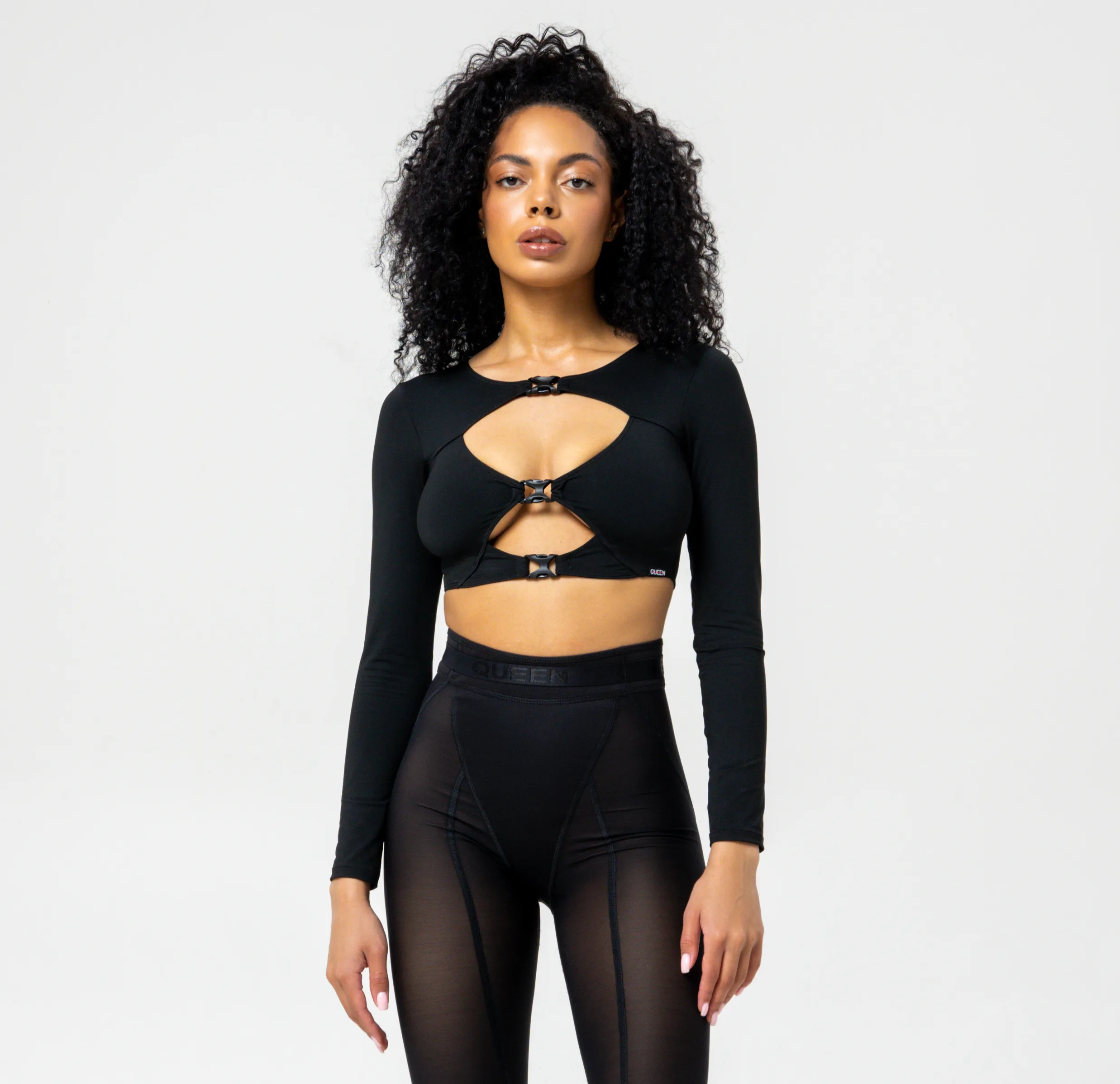
For the upper body, choose a fitted sports bra, crop top, or pole dance top. Your top should stay in place when you lift your arms, bend, twist, or spin.
Avoid oversized T-shirts during the main part of class. They can move around, cover your waist, and make it harder to grip the pole with your side or torso.
When choosing a pole dance top, look for:
- good bust support;
- secure straps;
- stretchy fabric;
- comfortable fit;
- freedom for shoulders and arms.
For beginners, a simple sports bra is often enough. As you continue training, you may want to choose pole-specific tops that are designed for active movement and stronger support.
Pole Dance Shorts Are Usually the Best Choice
Pole dance shorts are one of the most important parts of your outfit. They leave your legs and thighs free, which helps your skin grip the pole during basic tricks and transitions.
Many beginners feel shy about wearing shorts at first, but in pole dance they are practical. Shorts are not only a style choice — they help you train better and feel safer on the pole.
Good pole dance shorts should be:
- fitted, not loose;
- stretchy;
- secure at the waist;
- comfortable around the hips;
- suitable for movement;
- not too slippery.
For your first class, choose shorts with a comfortable level of coverage. You do not need the smallest cut right away. Medium-coverage shorts are usually a great option for beginners.
If you want to build a practical first outfit, you can browse Queen Wear’s pole wear essentials and choose shorts, tops, bodysuits, knee pads, and accessories for your training style.
Can You Wear Leggings to Pole Dancing Class?
Leggings can be useful, but they are not always the best option for pole training.
You can wear leggings for warm-up, stretching, floor work, or conditioning. However, for pole tricks, climbs, and sits, leggings may cover the skin you need for grip.
Leggings are good for:
- warm-up;
- stretching;
- flexibility training;
- floor-based movement;
- conditioning exercises.
Shorts are better for:
- pole sits;
- climbs;
- spins;
- grip-based transitions;
- tricks that require leg contact.
A good solution is to arrive in leggings or joggers for warm-up and then switch to shorts when the pole technique part of the class begins.
Do You Need Knee Pads?
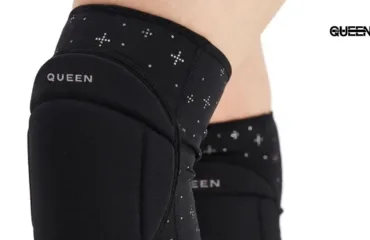
Knee pads are not always required for your first pole dancing class, but they are very helpful if the class includes floor work, choreography, low flow, or exotic pole.
During floor work, your knees often touch the ground. Knee pads help protect them and make movement more comfortable, especially when you are learning new transitions.
Knee pads are useful for:
- floor work;
- choreography;
- low flow classes;
- exotic pole;
- heel classes;
- beginners with sensitive knees.
If you are not sure whether you need knee pads, check the class description or bring them just in case.
What Shoes Should You Wear?
For most beginner pole dancing classes, you can train barefoot. Bare feet help you feel the floor, control your balance, and learn basic technique safely.
Some classes may allow socks, especially for warm-up or floor work. Pole heels are usually used in specific heels, exotic pole, or choreography classes.
Common footwear options include:
- bare feet for beginner pole classes;
- socks for warm-up or floor movement;
- pole heels for heels or exotic pole classes.
If it is your first class, barefoot is usually the safest and most practical choice unless your instructor says otherwise.
What Fabrics Are Best for Pole Dance Clothes?
Pole dance clothes should be stretchy, breathable, and secure. Your outfit should move with your body and stay in place while you train.
Avoid heavy, loose, or very slippery fabrics. They can make movement uncomfortable and may reduce your grip on the pole.
The best pole dance fabrics are:
- stretchy;
- soft on the skin;
- breathable;
- durable;
- flexible;
- comfortable during active movement.
Your clothes should not distract you. If you constantly need to adjust your shorts or top during class, the fit may not be right for pole dance.
What Not to Wear to Pole Dancing Class
Some clothes can make pole dancing harder, especially for beginners. Try to avoid anything that restricts movement, slips easily, or covers too much skin during grip-based work.
Avoid wearing:
- oversized T-shirts;
- baggy shorts;
- long leggings for pole tricks;
- slippery fabrics;
- heavy hoodies during training;
- jewelry that can scratch the pole or skin;
- body lotion or oil before class.
Body lotion and oils are especially important to avoid. They can make your skin slippery and reduce your grip, which can make training more difficult.
What to Bring to Your First Pole Class
Besides your outfit, bring a few simple essentials. You do not need a large bag full of equipment, but a few items can make your first class easier.
Bring:
- pole shorts;
- a supportive top;
- water;
- a small towel;
- knee pads if needed;
- a light warm-up layer;
- socks if the studio allows them.
Some studios provide grip aids or pole cleaning products, but beginners usually do not need to buy everything before the first class.
How to Feel Confident in Your Pole Dance Outfit
It is normal to feel nervous before your first pole dancing class, especially if you are not used to wearing shorts or fitted tops. Remember that pole dance outfits are designed for function. They help your body grip the pole, move freely, and stay comfortable.
You do not need to wear the boldest outfit in your first class. Start with something that feels secure and comfortable for you. As you gain confidence, you can try different styles, colors, cuts, and matching sets.
Pole dance is about strength, movement, confidence, and self-expression. The best outfit is the one that helps you feel ready to train.
Final Tips: What to Wear to Pole Dancing Class
So, what should you wear to pole dancing class? The best beginner outfit is simple: fitted pole shorts, a supportive top, and optional knee pads. Choose clothes that are comfortable, stretchy, and secure. Make sure you have enough skin available for grip, especially on your legs and thighs.
For your first class, avoid loose clothing, slippery fabrics, jewelry, and body lotion. Wear something that allows you to move freely and focus on learning.
When you are ready to create your pole wardrobe, discover Queen Wear’s pole dancing clothes for beginners, training, floor work, choreography, and confident movement.
FAQ
What should I wear to my first pole dancing class?
For your first pole dancing class, wear fitted pole shorts and a supportive sports bra or pole top. You can also bring knee pads if the class includes floor work.
Can I wear leggings to pole dancing class?
You can wear leggings for warm-up, stretching, or conditioning. For pole tricks, shorts are usually better because your skin helps you grip the pole.
Do I need special clothes for pole dancing?
You do not need professional pole wear for your first class, but fitted and stretchy clothes are much better than loose gym clothes.
Should I wear shoes to pole dancing class?
Most beginner pole classes are done barefoot. Pole heels are usually used only in heels, exotic pole, or choreography classes.
Why do pole dancers wear shorts?
Pole dancers wear shorts because skin contact helps with grip on the pole, especially during sits, climbs, spins, and transitions.
Do I need knee pads for pole dance?
Knee pads are recommended for floor work, low flow, choreography, and exotic pole classes. They help protect your knees and make training more comfortable.