





 UA
 PL
 ES
Exotic vs Classic Pole Dance: Which Style Is Right for You?

Pole dance is much more than one type of workout. Some classes focus on strength, climbs and impressive tricks, while others combine expressive choreography, floor work and movement in high heels. Two popular directions are exotic pole dance and classic pole dance.
Although both styles use the same pole, they offer different training experiences. Classic pole is usually associated with technical elements and physical strength, while exotic pole emphasizes musicality, fluid transitions and personal expression.
Which style should you choose? Let’s compare the techniques, clothing, footwear and skills involved so you can find the right direction for your goals.
What Is Classic Pole Dance?
Classic pole dance is a broad term often used to describe traditional pole technique, pole fitness and trick-focused classes. Training typically combines strength, flexibility, coordination and body control.
Rather than learning a complete dance routine in every class, students often practice individual elements and gradually connect them into combinations.
Typical classic pole movements include:
- Spins and controlled rotations.
- Climbs and pole sits.
- Inversions and inverted positions.
- Strength-based holds.
- Flexibility elements.
- Transitions between tricks.
Classic pole classes are commonly performed barefoot because exposed skin helps create friction between the body and the pole.
The style is especially appealing to people who enjoy physical challenges, learning new skills and tracking technical progress.
What to Wear for Classic Pole Dance
Clothing should provide enough freedom of movement while leaving the skin exposed where grip is needed.
A practical classic pole outfit usually includes fitted shorts and a supportive top. High-cut shorts can be useful for techniques that require contact with the upper thighs, while a secure top stays in place during inversions.
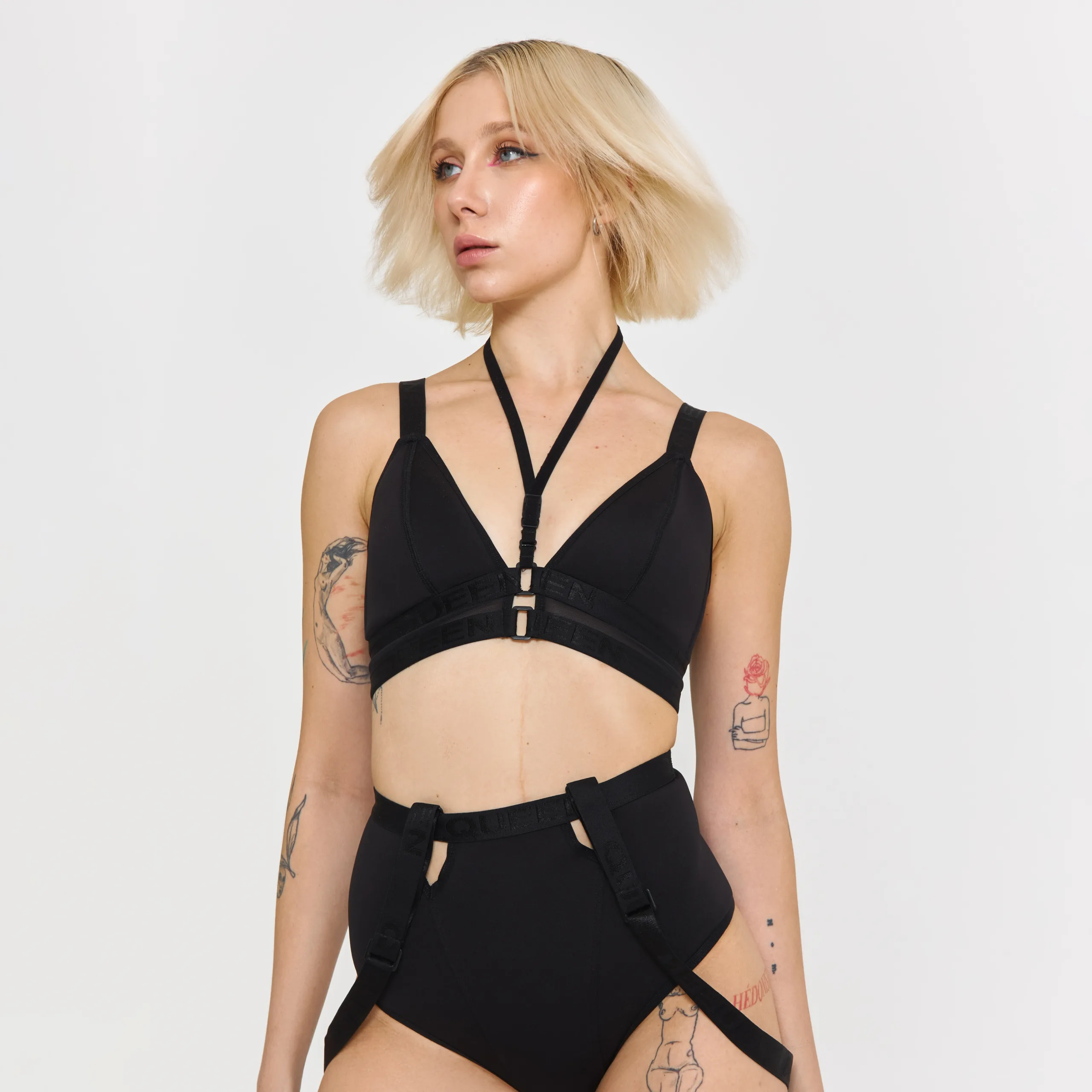
You can explore Queen Wear’s pole dance clothing to find training outfits designed for movement, flexibility and comfortable skin contact.
What Is Exotic Pole Dance?
Exotic pole dance is a dance-focused style that combines movement around the pole with choreography, floor work and expressive performance. It has strong roots in the traditions of exotic dancers and strip-club performance.
Unlike trick-focused classes, exotic pole often places greater emphasis on musical interpretation, transitions and the quality of each movement.
Common elements include:
- Fluid body waves and hip movements.
- Leg extensions and expressive poses.
- Floor work and low-flow combinations.
- Controlled walks and turns.
- Transitions between standing and floor positions.
- Choreography performed to music.
Exotic pole is frequently danced in specialized platform heels, although footwear requirements depend on the studio and class level.
Despite its expressive appearance, exotic pole still requires strength, coordination and technical control. Slow, fluid movements can be just as demanding as dynamic tricks.
What to Wear for Exotic Pole Dance
Exotic pole outfits often combine practical dancewear with more expressive details.
Popular options include fitted shorts, bodysuits, dance tops and coordinated sets. Depending on the choreography, dancers may also wear leggings, knee pads or clothing with decorative straps and mesh inserts.
The outfit should stay in place during floor transitions and allow comfortable movement in every position.
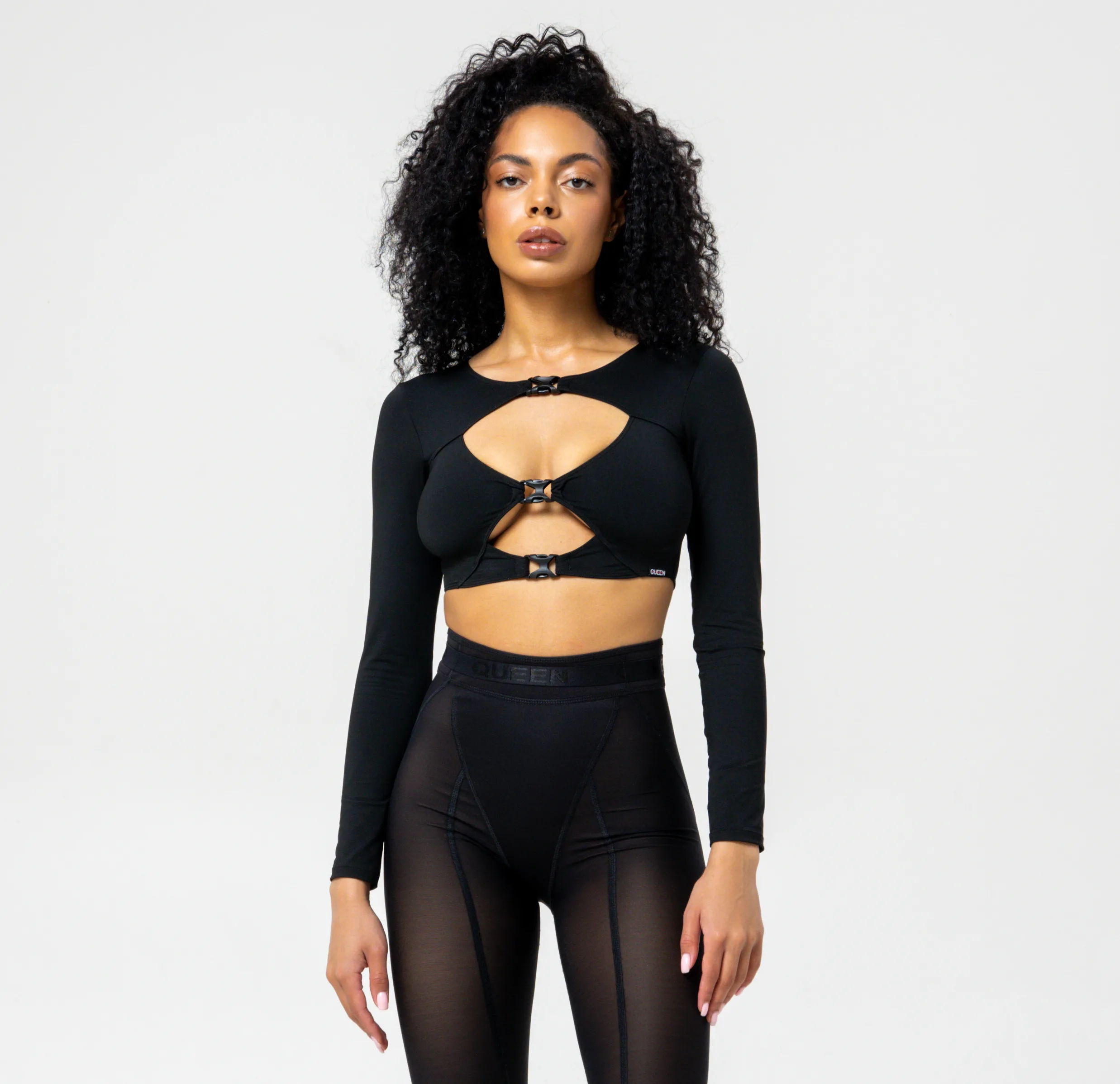
For inspiration, explore Queen Wear’s dance clothing collection, where you can find pieces suitable for choreography, heels dance and expressive movement.
Exotic vs Classic Pole: Key Differences
Both styles develop body awareness and coordination, but their main priorities differ.
| Feature | Classic Pole Dance | Exotic Pole Dance |
| Main focus | Strength, tricks and technique | Choreography, flow and expression |
| Footwear | Usually barefoot | Often platform heels |
| Typical movements | Climbs, spins, holds and inversions | Floor work, body waves and transitions |
| Training format | Technical exercises and combinations | Dance sequences and choreography |
| Main skills | Strength, grip and control | Musicality, coordination and movement control |
| Clothing | Pole shorts and supportive tops | Dancewear, shorts, bodysuits and knee pads |
| Best suited to | Technical and fitness goals | Creative expression and dance performance |
These are general differences rather than strict rules. Many dancers combine both styles, and class formats vary between studios.
Heels vs Barefoot Pole: Does Footwear Matter?
Footwear is one of the most noticeable differences between exotic and classic pole.
Classic Pole: Why Barefoot Training Is Common
Barefoot training allows direct contact between the feet and the pole or floor. This can be important when learning climbing techniques, certain grips and controlled positions.
It also helps beginners develop awareness of foot placement and balance without the additional challenge of high heels.
Exotic Pole: Why Dancers Wear Heels
Specialized platform heels are an important part of many exotic pole styles. They change the appearance of leg lines and influence how dancers perform walks, turns and floor transitions.
However, heels require additional practice. Beginners should learn to move safely, maintain balance and control their steps before progressing to demanding choreography.
Not every exotic pole class requires heels from the first lesson. Always check the instructor’s recommendations.
Which Pole Dance Style Is Better for Beginners?
Both styles can be suitable for beginners when the class is designed for their experience level.
Choose classic pole if you want to:
- Build upper-body and core strength.
- Learn pole tricks and technical combinations.
- Improve flexibility and coordination.
- Track progress through new skills.
- Start without dancing in heels.
Choose exotic pole if you want to:
- Learn expressive choreography.
- Develop musicality and fluid movement.
- Explore dance techniques in heels.
- Practice floor work and creative transitions.
- Feel more confident expressing yourself through movement.
If you have never tried pole dance, an introductory classic pole class can provide a useful technical foundation. But a beginner-level exotic class can also be an appropriate starting point when the instructor adapts the exercises to new dancers.
The most important factor is choosing the correct class level.
Is Exotic Pole Easier Than Classic Pole?
Not necessarily. The two styles are challenging in different ways.
Classic pole often requires considerable upper-body strength, grip endurance and control during climbs and inversions.
Exotic pole may place greater demands on coordination, musical interpretation, balance in heels and fluid transitions between movements.
A slow exotic routine can require substantial muscular control, while a beginner classic pole class may introduce relatively simple technical elements.
Neither style is automatically easier. Your personal strengths and previous experience with dance, fitness or gymnastics may influence which one feels more natural.
Can You Combine Exotic and Classic Pole Dance?
Absolutely. In fact, the two styles can complement each other.
Classic pole helps develop the strength and technical skills needed for controlled movement on the pole. Exotic pole can improve musicality, transitions, body awareness and the ability to connect individual elements into expressive choreography.
For example, a dancer might practice climbs and inversions during a classic pole session, then attend an exotic class to develop floor work and movement quality.
Combining the styles can create a more versatile training experience without requiring you to commit exclusively to one direction.
How to Choose the Right Pole Dance Outfit
Your clothing should reflect the movements you plan to practice rather than simply the name of the style.
For classic pole, prioritize secure tops and shorts that leave the necessary grip areas exposed. For exotic pole, consider clothing that supports floor work, allows unrestricted movement and feels comfortable during choreography.
Pay attention to:
- Fit: Clothing should remain secure during movement.
- Stretch: Fabric should not restrict flexibility.
- Coverage: Choose a cut appropriate for the techniques you practice.
- Comfort: Avoid details that dig into the skin or interfere with transitions.
- Personal style: Wear something that makes you feel comfortable and confident.
You may also find that some outfits work equally well for both styles, particularly fitted shorts and supportive tops.
Exotic or Classic Pole: Find Your Own Style
There is no single correct way to enjoy pole dance.
Classic pole may be the better choice if you love strength-based challenges, technical progress and learning impressive tricks. Exotic pole may suit you if you enjoy choreography, musical expression, floor work and dancing in heels.
You can also practice both. Developing strength through classic pole and exploring movement through exotic pole can help you become a more confident and versatile dancer.
Whatever direction you choose, prioritize comfortable clothing, appropriate equipment and classes suited to your experience level. The best pole dance style is the one that inspires you to keep learning, moving and enjoying the process.




 Changeable pads for Knee Pads
 PRO 5 SOFT TOUCH
 DODO
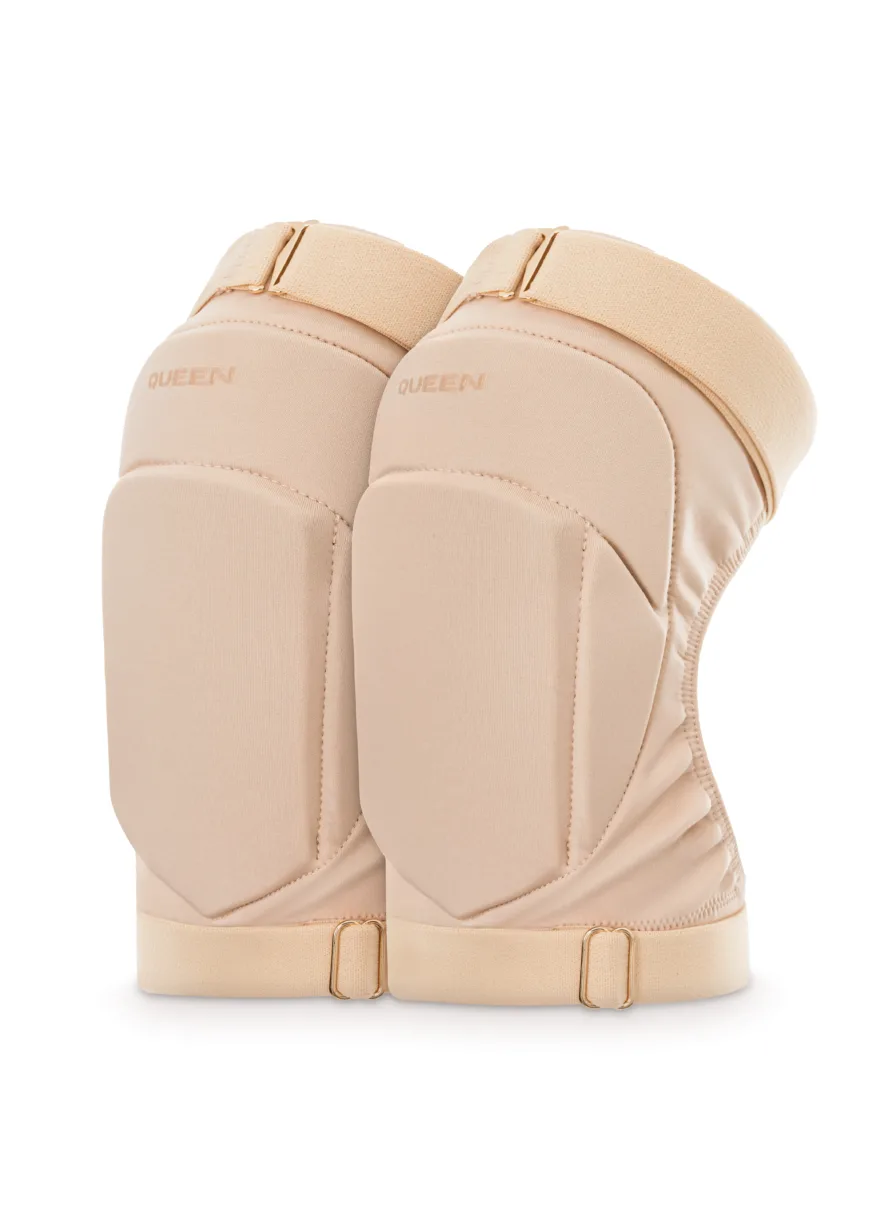 PRO 5 EASY TOUCH
 Gel knee pads
 SLEEK
 PRO 4
 DODO