




 UA
UA  PL
PL Pole Dance Shorts: How to Choose Coverage, Cut and Grip
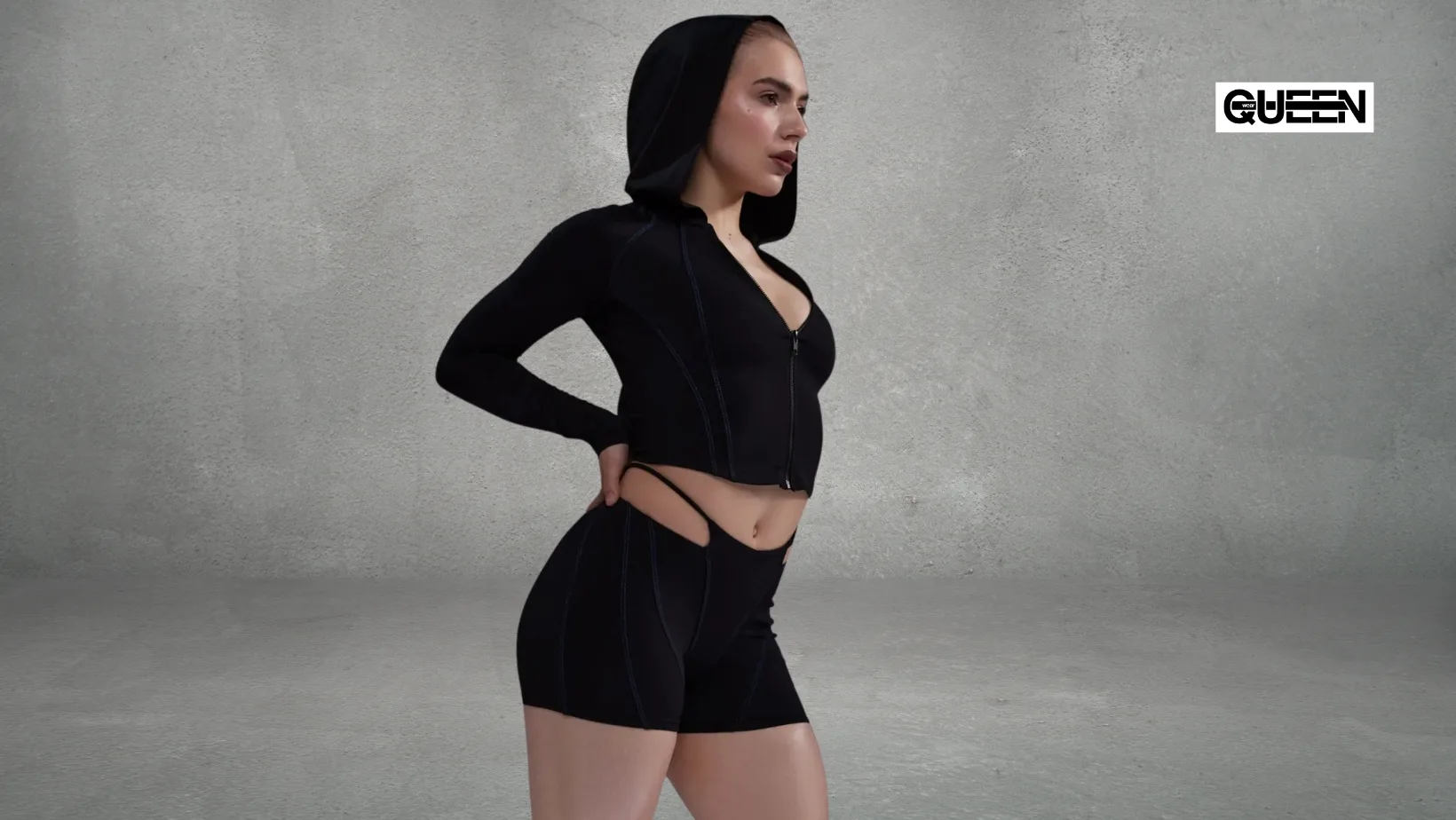
Choosing the right pole dance shorts can make a major difference in how comfortable, secure and confident you feel during training. Shorts are one of the most important pieces of pole clothing because they directly affect grip, movement and body control.
For beginners, the variety of styles can be confusing. Some shorts are high-waisted and supportive, others are more open for advanced grip. Some are designed for everyday studio practice, while others are made for exotic pole, choreography, photoshoots or performance. The best pair depends on your level, class type, body comfort and the amount of skin contact you need with the pole.
This guide explains how to choose pole dance shorts by coverage, cut, grip and training purpose.
Why Pole Dance Shorts Matter
Pole dance is not just a workout where any pair of gym shorts will do. Many pole tricks require direct skin contact with the pole. Your thighs, hips, inner legs and sometimes the side of your waist help create grip and stability. If these areas are covered by fabric, some movements become harder or less secure.
This is why pole dance shorts are usually shorter, stretchier and more body-hugging than regular fitness shorts. They are designed to stay in place during spins, climbs, sits, floor work and transitions.
Good pole shorts should:
- Allow enough skin contact for grip
- Stay secure during movement
- Stretch without digging into the body
- Support your waist and hips
- Feel comfortable in floor work and choreography
- Match your level and training style
The right shorts help you focus on technique instead of constantly adjusting your outfit.
Pole Dance Shorts vs Regular Workout Shorts
Regular gym shorts are often designed for running, lifting or general fitness. They may be loose, long or made from fabrics that slide against the pole. That can be comfortable for a workout, but it is not always practical for pole dance.
Pole dance shorts are different because they are built for grip and movement. They usually have a closer fit, a shorter length and more stretch. Many designs also use high-waisted cuts, cheeky cuts, side details or performance-inspired shapes to support both technique and style.
When building your studio wardrobe, it helps to treat shorts as a core part of your pole dance wear rather than a basic sportswear item. They need to work with your body, your pole skills and the type of classes you take.
How Much Coverage Do Beginners Need?
Beginners often feel unsure about how much coverage is appropriate. The best starting point is usually a pair of mid-coverage or high-waisted shorts. These styles feel secure, provide comfort and still expose enough skin for basic pole moves.
For your first classes, you do not need the smallest or most open cut. You need shorts that let you move confidently while giving your legs enough contact with the pole.
Beginner-friendly shorts usually have:
- A comfortable high or mid-rise waistband
- Enough coverage to feel secure
- Stretchy fabric that moves with the body
- A cut that leaves the thighs free for grip
- A stable fit that does not roll down or shift
As your technique improves, you may find that you need more open styles for specific tricks. That transition is normal. Many dancers start with more coverage and gradually move toward smaller cuts as they become more confident.
High-Waisted Pole Dance Shorts
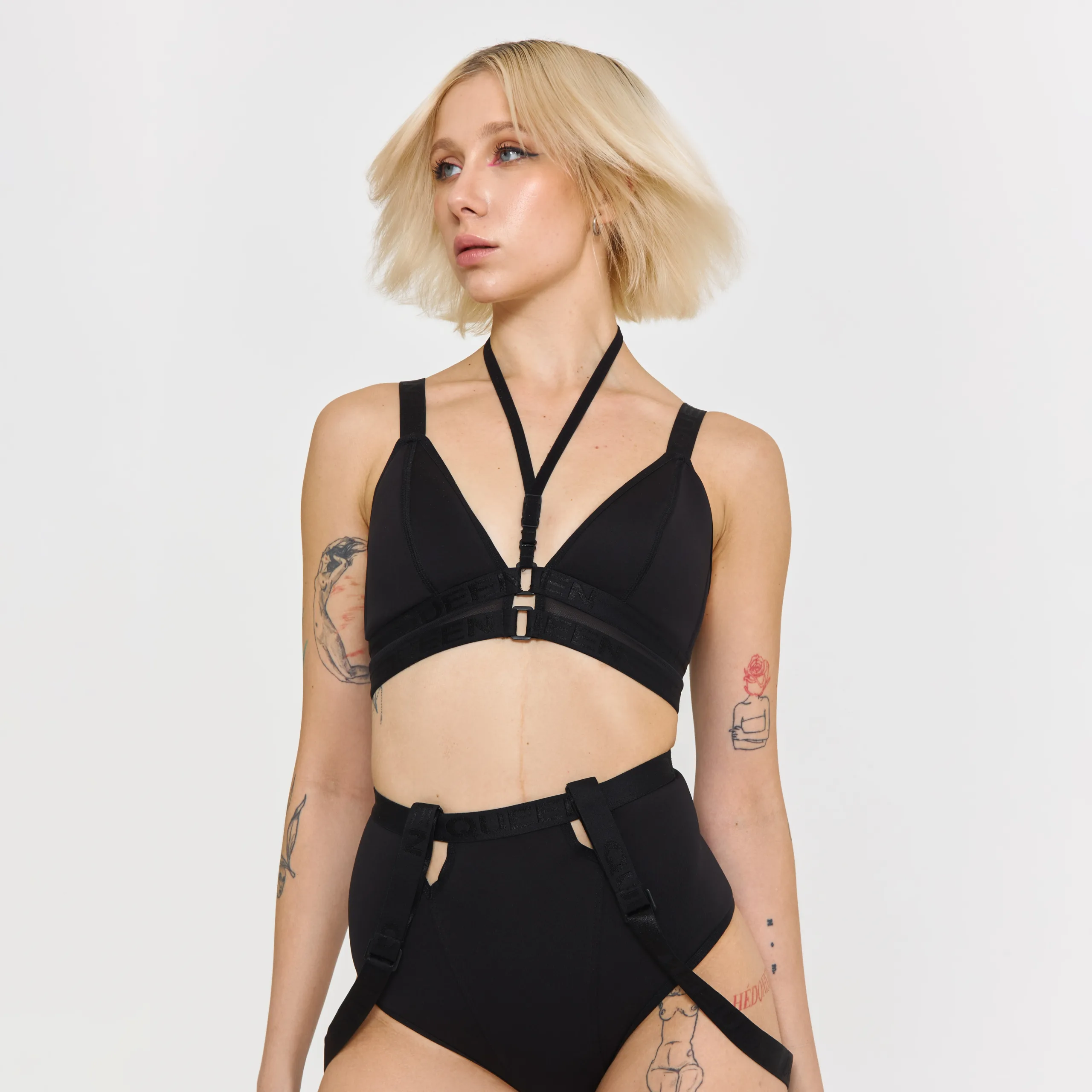
High-waisted shorts are one of the most popular choices for pole dance. They sit higher on the waist, offer a supportive feel and create a clean silhouette. Many beginners like them because they feel more secure than low-rise styles.
High-waisted shorts work well for:
- Beginner classes
- Pole conditioning
- Choreography
- Floor work
- Dancers who want more stomach coverage
- Studio training where comfort matters
They are also practical for dynamic movement. A good high-waisted pair should stay in place during climbs, spins, waves and floor transitions. The waistband should feel supportive but not restrictive.
However, very high or very thick waistbands may cover areas needed for certain waist or side grips. If you are working on moves that require side-body contact with the pole, make sure the shorts do not block key grip points.
Low-Rise and Open-Cut Shorts
Low-rise and open-cut shorts expose more skin around the hips, waist and upper thighs. These styles are often preferred by more experienced dancers because they allow more contact points with the pole.
They can be useful for:
- Advanced pole tricks
- Hip and side grips
- Exotic pole
- Photoshoots
- Performance training
- Dancers who want longer visual lines
Open-cut shorts can make some movements easier because the pole can connect directly with the skin. They also create a more elongated look, which is why they are popular in choreography and performance.
The main thing is confidence and fit. Open cuts should still feel secure. If you spend the whole class adjusting your shorts, they are not the right pair for training. A revealing cut can be functional, but only if it stays in place.
Cheeky Shorts and Full-Coverage Shorts
Pole dance shorts come in different back coverage styles. Cheeky shorts reveal more and are common in pole, exotic and performance wear. Full-coverage shorts offer more modesty and can feel more comfortable for beginners or dancers who prefer extra security.
Cheeky shorts are useful when you want:
- More skin contact
- Better freedom of movement
- A performance-style look
- Cleaner leg lines
- Less fabric bunching during floor work
Full-coverage shorts are useful when you want:
- More comfort for beginner classes
- Extra confidence during studio training
- A modest fit
- More support during conditioning
- A style closer to classic dance shorts
Neither option is universally better. The right choice depends on your comfort level, your training goals and the tricks you are working on.
Shorts for Grip: What to Look For
Grip is one of the main reasons pole dancers wear shorts. The fabric should not cover too much of the thigh, hip or side-body area if those zones are needed for the move.
When choosing shorts for grip, pay attention to:
- Inner thigh exposure
- Side hip exposure
- Waist height
- Fabric thickness
- Leg opening
- Whether the shorts roll or shift
For climbs, sits and beginner leg holds, your thighs need enough contact with the pole. For more advanced tricks, you may also need access to the side of the waist, hip or upper leg.
The shorts should support your body without blocking essential grip points. If they are too long, too loose or too slippery, they may make training harder.
Shorts for Floor Work
Floor work requires a slightly different approach. During floor sequences, you roll, slide, kneel, arch, turn and transition between the floor and the pole. Shorts need to stay in place while allowing smooth movement.
For floor work, many dancers prefer shorts that are:
- Soft and stretchy
- Secure at the waist
- Comfortable around the leg openings
- Not too loose
- Easy to pair with knee pads
- Suitable for choreography and low-flow movement
Very open cuts can look beautiful in floor work, but comfort matters. If you are a beginner, knee pads and a stable pair of shorts can make floor-based training much more enjoyable.
Shorts for Exotic Pole
Exotic pole often combines pole tricks, floor work, heels technique, sensual movement and choreography. Shorts for exotic pole can be more expressive and styled, but they still need to be functional.
For exotic pole, dancers often choose:
- High-cut shorts
- Strappy details
- Cheeky cuts
- High-waisted styles
- Matching sets
- Shorts that work well with heels and knee pads
Because exotic pole includes both floor movement and pole contact, the shorts need to balance grip and visual style. They should not slide, twist or dig into the body during waves, drops, climbs or transitions.
The best exotic pole shorts make you feel confident while still supporting technical movement.
Fabric and Stretch
Fabric quality matters because pole dance involves a wide range of motion. Shorts should stretch in all directions, recover their shape and feel comfortable against the skin.
Look for fabric that is:
- Elastic
- Smooth but not slippery
- Breathable
- Durable
- Supportive
- Resistant to excessive stretching out
The fabric should move with your body during splits, hip circles, climbs and floor transitions. It should not become transparent when stretched or lose shape after a few sessions.
Avoid thick, stiff or slippery materials. They may look fine at first, but they can limit movement and reduce confidence during training.
Waistband and Fit
The waistband is one of the most important details in pole dance shorts. If it rolls down, digs in or shifts, it can distract you throughout class.
A good waistband should:
- Stay flat against the body
- Feel supportive but not tight
- Move with your torso
- Avoid rolling during floor work
- Keep the shorts stable during spins and climbs
High-waisted styles often provide more support, while lower-rise cuts give more skin contact. Both can work well depending on the class type.
Fit is personal. The shorts should feel secure enough for movement but comfortable enough for a full training session.
What Shorts Are Best for Beginners?
For beginners, the best pole dance shorts are usually secure, stretchy and not too revealing. A high-waisted or mid-rise pair with moderate coverage is a practical first choice.
Beginner shorts should help you feel comfortable while still giving enough skin contact for basic moves. They should not be so long that they block thigh grip, but they also do not need to be extremely open.
A good beginner pair should work for:
- Basic spins
- Pole sits
- Conditioning
- Beginner climbs
- Stretching
- Simple choreography
- Floor work practice
Once you understand what your classes involve, you can add more specialized styles.
How Many Pairs of Pole Shorts Do You Need?
You do not need a large collection at the beginning. Two or three good pairs are enough for regular studio training.
A practical starter wardrobe may include:
- One high-waisted pair for comfort and coverage
- One more open pair for better grip
- One styled pair for choreography or exotic pole
This gives you flexibility without overbuying. As your training develops, you can choose shorts based on the classes you attend most often.
Common Mistakes When Choosing Pole Dance Shorts
Many beginners choose shorts based only on appearance. Style matters, but function matters more.
Common mistakes include:
- Choosing shorts that are too long for grip
- Wearing loose gym shorts
- Picking fabric that slides on the pole
- Choosing a waistband that rolls down
- Buying a very open cut before feeling comfortable in it
- Ignoring how the shorts move during floor work
- Choosing a size that looks good standing still but shifts during training
The best test is movement. Squat, stretch, twist and lift your legs. If the shorts stay in place and feel comfortable, they are more likely to work in class.
How to Style Pole Dance Shorts
Pole dance shorts are easy to style with different tops, layers and accessories. For technical classes, pair them with a secure sports top or crop top. For choreography, choose a matching set or a more expressive top. For floor work, add knee pads and soft layers for warm-up.
Good combinations include:
- High-waisted shorts with a supportive top
- Open-cut shorts with a strappy pole top
- Cheeky shorts with knee pads for floor work
- Matching pole sets for choreography
- Shorts with a lightweight layer for warm-up
The goal is to create an outfit that supports the type of training while making you feel confident in the studio.
Final Thoughts
Pole dance shorts are a technical part of your training wardrobe. They affect grip, comfort, movement and confidence. The best pair is not always the smallest or most stylish one. It is the pair that matches your body, your level and your class type.
Beginners usually do well with secure, high-waisted or mid-coverage shorts. More advanced dancers may prefer open cuts for better grip and longer lines. For exotic pole and choreography, styled shorts can add expression while still supporting movement.
When choosing pole dance shorts, focus on coverage, cut, fabric, waistband and grip. A well-chosen pair will help you move freely, stay secure and enjoy training without distraction.