




 UA
UA  PL
PL Pleaser Heels: The Complete Guide for Pole & Dance
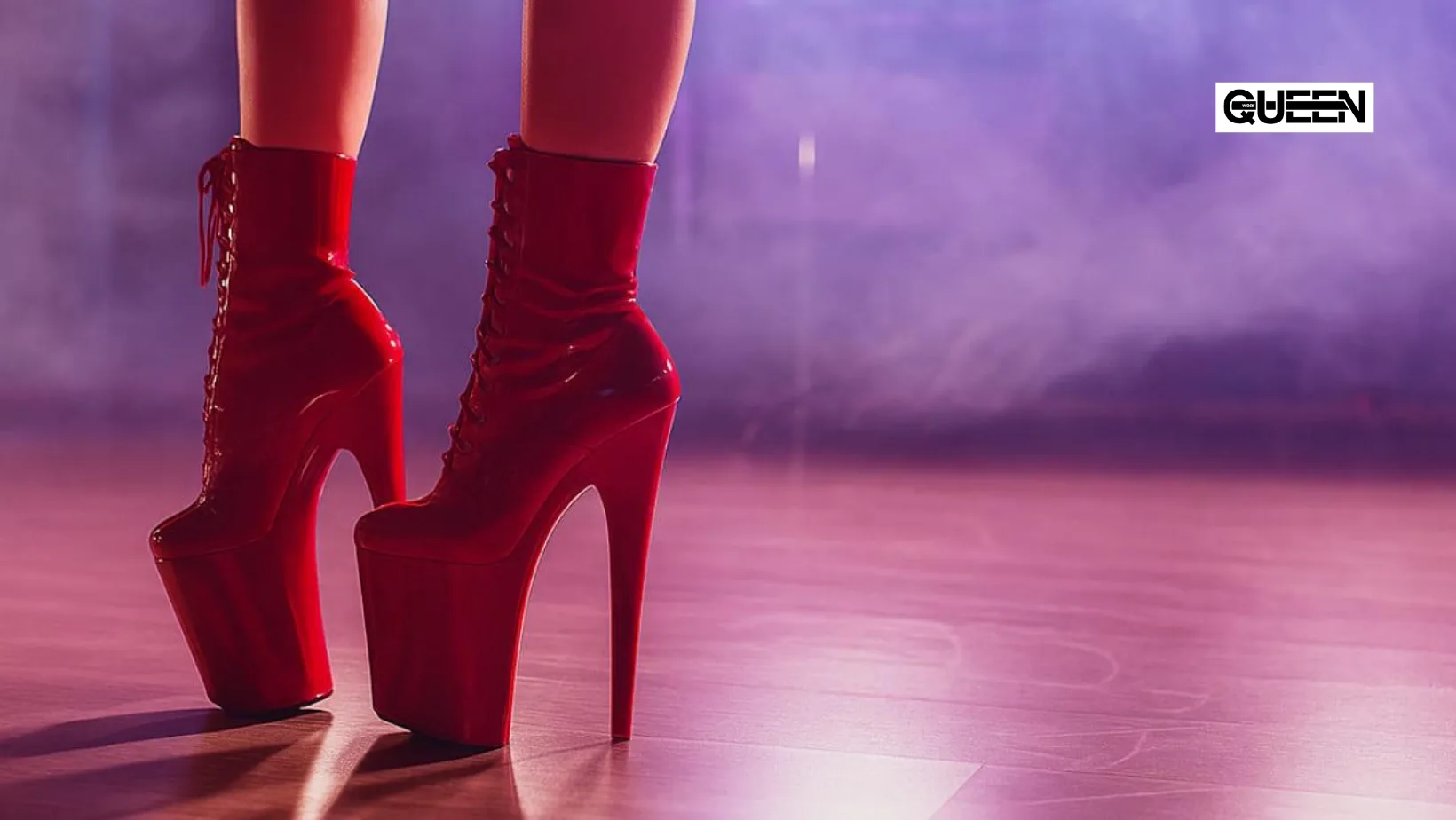
Pleaser shoes have become one of the most recognizable footwear choices in pole dance, exotic dance and heels choreography. Their high platforms, curved silhouettes and dramatic finishes are designed to support both performance and visual expression.
However, choosing your first pair of Pleaser heels can be confusing. Should you start with sandals or boots? Is a six-inch heel easier than an eight-inch heel? How should Pleaser sizing work when the brand does not offer half sizes?
This guide explains the main styles, heel heights, fit considerations and practical details you should know before buying or training in Pleaser shoes.
What Are Pleaser Shoes?
Pleaser is a footwear brand known for platform heels, dance sandals, ankle boots, knee-high boots and thigh-high styles. Although the shoes are often associated with performance, many models are also worn for pole dance, exotic choreography, photoshoots and stage shows.
The typical Pleaser design combines:
- a high stiletto heel;
- a raised front platform;
- an open or closed toe;
- ankle straps, laces or a zip closure;
- materials such as patent, faux leather, suede, glitter or transparent PVC.
The platform is not only decorative. It changes the angle of the foot, gives dancers a larger surface for edge work and creates the distinctive lines used in heels choreography.
Pleaser currently offers footwear across multiple heel heights and styles, including sandals, pumps, ankle boots and taller boots.
Why Are Pleaser Heels Popular in Pole Dance?
Regular fashion heels are not usually designed for spins, floorwork, heel clacks, toe drags or repeated transitions between standing and kneeling. Pole dance shoes have a different construction and are selected with movement in mind.
The platform supports dance technique
The front platform gives the dancer an additional contact point with the floor. It can be used during pivots, slides, edge work and controlled transitions.
A platform also reduces the effective angle between the foot and the floor compared with a conventional heel of the same total height. This does not make the shoe effortless to wear, but it can make a tall platform heel feel more manageable than a similarly high non-platform shoe.
The shape creates longer visual lines
Pleaser heels visually extend the legs and make movements appear more pronounced. Pointed toes, leg waves, extensions and body rolls often look more dramatic when performed in platforms.
Different finishes support different styles
The best material depends on how you dance.
Glossy patent boots may provide more contact against the pole, while matte shoes can move more smoothly across the floor. Glitter, rhinestones and metallic finishes create a strong stage effect but may show wear faster during intensive floorwork.
Pleaser Sandals vs Pleaser Boots
The biggest decision for many dancers is whether to choose open Pleaser heels or supportive Pleaser boots.
Pleaser Sandals
Pleaser sandals usually have an open toe, an open heel and one or more ankle straps. They create a light, classic silhouette and make it easier to point the toes visibly.
Sandals may suit dancers who:
- want greater ankle mobility;
- prefer a lighter shoe;
- focus on lines, leg extensions and spins;
- are comfortable controlling the ankle without additional support;
- want a versatile shoe for pole, choreography and photoshoots.
Transparent PVC straps are especially popular because they visually blend with the foot. New straps can initially feel firm, so they may need several short sessions to soften and adapt to the foot.
Before training, check that the ankle strap is secure and that the foot does not slide too far forward over the edge of the sole.
Pleaser Boots
Pleaser boots cover more of the foot and may extend to the ankle, knee or thigh. Ankle boots are particularly popular with beginners because the upper helps hold the foot and ankle in place.
Pleaser boots may be a better choice when you:
- want additional ankle support;
- are learning your first heels combinations;
- prefer a more secure fit;
- perform movements that include strong foot flexion;
- want extra coverage and a more dramatic look.
Lace-up boots allow the fit to be adjusted across the foot and ankle. Zip closures make the shoes quicker to put on, but the laces should still be adjusted properly rather than left permanently loose.
For pole work, avoid excessive metal details, sharp buckles or decorations positioned where they may contact and scratch the pole. Pleaser’s own selection guidance also advises dancers to consider how external hardware and shoe finishes interact with the pole and floor.
Which Pleaser Heel Height Is Best?
Pleaser shoes are available in several heights, but six-, seven- and eight-inch heels are among the most common choices for pole and exotic dance.
Six-inch Pleaser heels
Six-inch platforms are often recommended as an entry point for dancers who have not previously trained in platform shoes. They provide the Pleaser silhouette without placing the dancer as high above the floor as larger platforms.
They can be suitable for:
- introductory heels classes;
- learning basic walks and pivots;
- developing ankle control;
- practising transitions at a slower pace.
Pleaser’s official selection guide recommends starting with six-inch heels before progressing to taller platforms.
Seven-inch Pleaser heels
Seven-inch heels are a popular middle ground. They provide a dramatic platform while remaining versatile enough for regular choreography, pole work and floorwork.
Choose seven-inch heels when you already feel stable in platforms and want:
- more pronounced leg lines;
- a larger platform for edge work;
- a classic exotic dance silhouette;
- a pair suitable for regular studio training.
Eight-inch Pleaser heels
Eight-inch Pleaser heels create a stronger visual effect and a heavier platform. The added height can make transitions, balance and foot placement more demanding.
They are usually better suited to dancers who already understand:
- controlled heel-to-toe walking;
- platform pivots;
- safe weight transfer;
- ankle alignment;
- how to recover balance without twisting the foot.
Do not choose a height only because it looks impressive. The best Pleaser heels are the ones in which you can move confidently and maintain control throughout the entire combination.
Pleaser Sizing: How to Find the Right Fit
Correct fit is essential. Shoes that are too loose may move during spins, while shoes that are too tight can restrict the toes and make training uncomfortable.
Most Pleaser models are listed in US women’s sizes. The official size chart converts US women’s sizes 5–16 to approximately EU sizes 35–46, depending on the model and conversion used. Pleaser does not generally offer half sizes and recommends sizing up when you are between sizes.
Start with your usual size
For open-toe Pleaser heels, your usual shoe size is generally the best starting point. Your toes should reach close to the front without hanging over the sole.
For closed-toe Pleaser boots, you may need more space, particularly when:
- you are between sizes;
- you have wide feet;
- you plan to wear socks;
- the model has a narrow toe box;
- your feet tend to swell during training.
Pleaser’s own guidance suggests considering a larger size for closed-toe styles and wider feet.
Check more than the shoe length
Two dancers with the same foot length may need different sizes because of foot width, arch height or ankle shape.
When trying on Pleaser shoes, check that:
- the heel sits securely at the back;
- the toes are not compressed;
- the foot does not slide excessively;
- straps do not cut into the skin;
- the ankle remains stable;
- the arch feels supported by the shoe;
- you can stand without gripping with your toes.
Try new shoes indoors on a clean surface before using them in class. This gives you time to assess the fit while keeping the soles in returnable condition.
How to Choose Pleaser Shoes for Your Dance Style
A beautiful pair of heels may not be practical for every type of movement. Consider how you plan to use them before choosing a finish or construction.
For pole tricks and climbs
Boots with a fitted upper can provide additional contact around the foot and ankle. Patent finishes may offer more grip than smooth matte materials, although the exact level of contact depends on the model, pole finish and studio conditions.
Avoid large external decorations that could interfere with the pole.
For floorwork
Look for a smooth finish that can move across the floor without catching. Matte boots and sandals are often easier to use for slides, sweeps and toe drags.
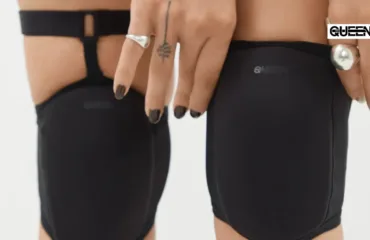
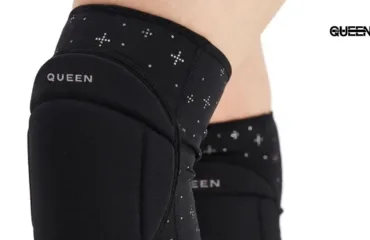
Because floorwork places direct pressure on the knees, combine your shoes with protective knee pads for heels dance. They should remain secure without restricting bending or leg lines.
For choreography classes
Ankle boots are a practical option for learning walks, turns, body rolls and transitions. Sandals can be introduced once you feel comfortable maintaining ankle alignment without the support of a boot upper.
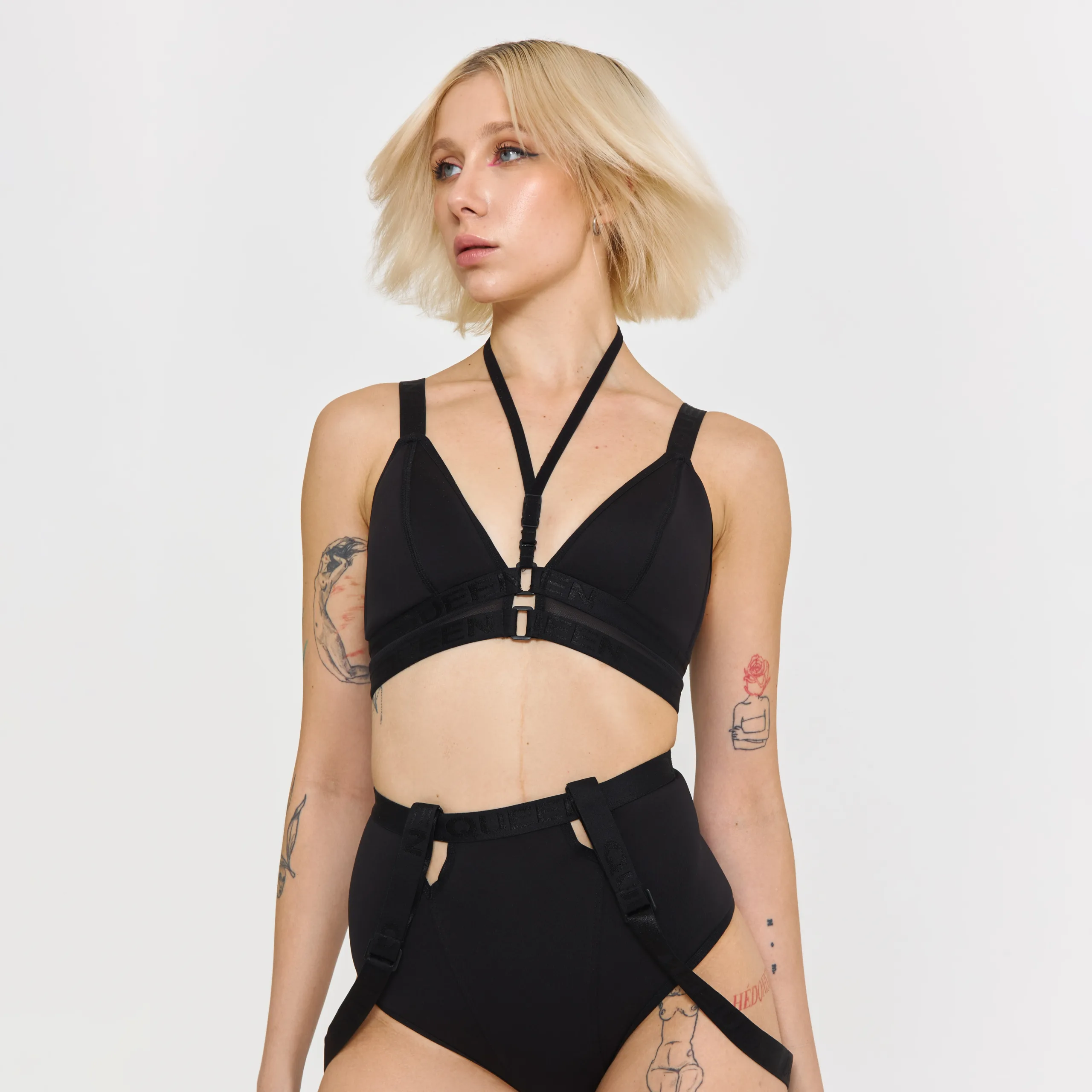
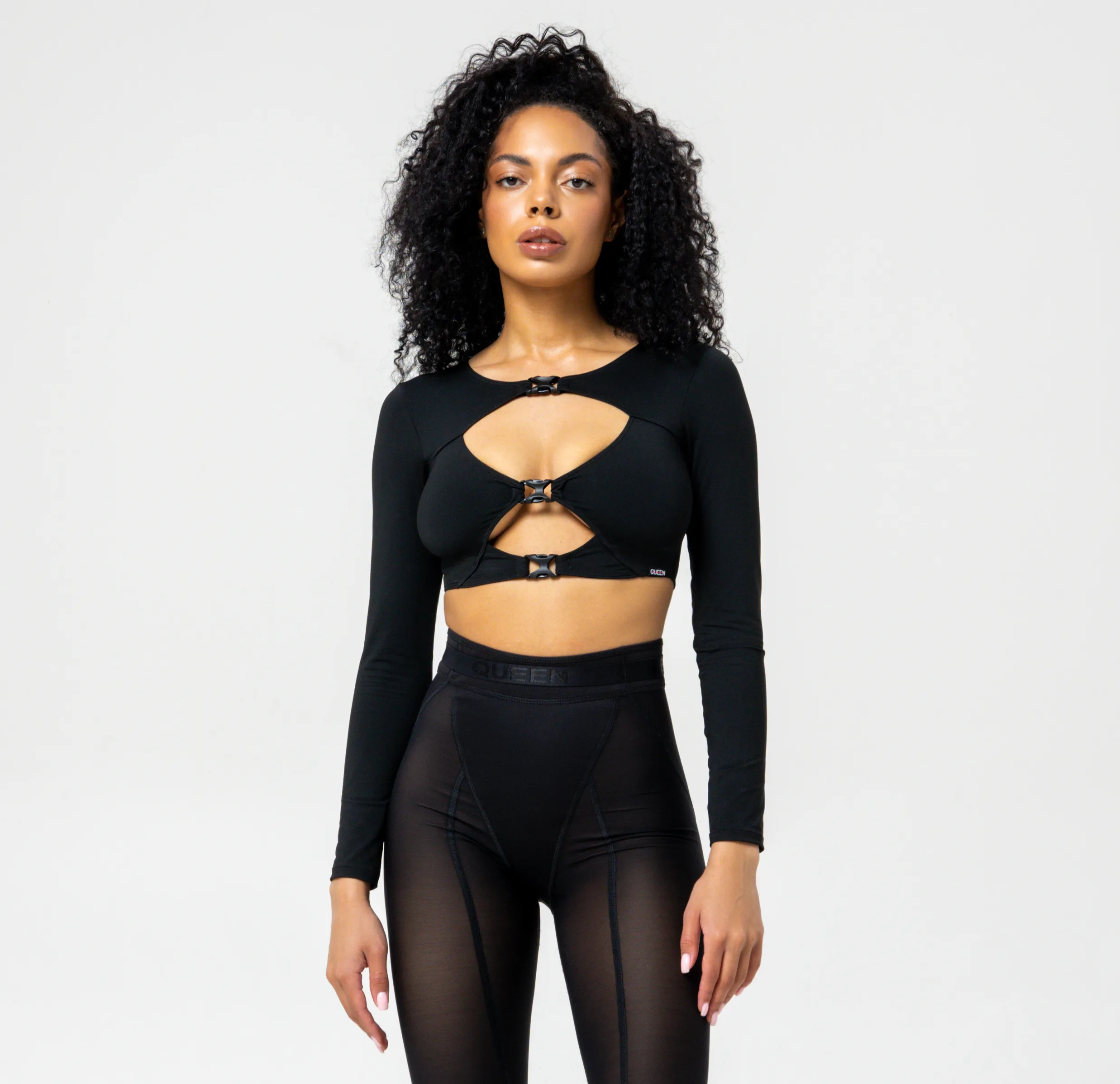
Complete the outfit with fitted High Heels dancewear that allows the instructor to see your posture, hips, knees and leg placement.
For performances and photoshoots
For stage use, you can prioritise visual impact more heavily. Glitter, chrome, rhinestones and thigh-high Pleaser boots can become part of the overall costume.
Balance statement footwear with a secure outfit. Depending on the concept, combine the shoes with:
- High Heels bodysuits;
- fitted heels shorts;
- supportive High Heels tops;
- dance pants for warm-ups and choreography practice.
How to Start Dancing in Pleaser Heels Safely
Even experienced dancers should treat a new pair of shoes as new equipment. The height, weight, sole shape and material can affect movement.
Begin with basic exercises:
- Stand with your weight distributed evenly.
- Practise shifting the weight from one foot to the other.
- Walk slowly in a straight line.
- Add controlled pivots and direction changes.
- Practise rising onto the front platform.
- Introduce simple body waves and step transitions.
- Progress to choreography only when the shoes feel stable.
Train on a clean, even studio floor and follow your instructor’s guidance. Avoid practising new tricks on slippery tiles, thick carpet or uneven outdoor surfaces.
Before every session, inspect the heel, platform, straps, zip and sole. Stop using the shoes if the heel becomes unstable, the sole begins separating or a fastening no longer closes securely.
How to Break In New Pleaser Heels
New Pleaser shoes should be broken in gradually rather than worn for a full class immediately.
Start with short indoor sessions of approximately 10–15 minutes. Practise standing, walking and simple transitions, then remove the shoes before your feet become overly tired.
For clear PVC sandals, gentle warmth from the foot can help the straps adapt to your shape. Do not apply extreme heat, as it may deform the material or weaken adhesives.
For lace-up boots:
- loosen the laces fully before putting them on;
- tighten from the toes upward;
- keep the pressure even;
- avoid overtightening the ankle;
- use the zip only after the laces are adjusted correctly.
A thin insole or gel insert may help if the shoe is slightly spacious, but it should not force the foot too far forward.
Caring for Pleaser Shoes
Platforms experience friction during slides, drags and floor transitions, so visible wear is normal. Regular care can help preserve the material and structure.
After training:
- wipe the shoes with a soft cloth;
- remove dust from the platform and sole;
- allow the inside to dry naturally;
- store the shoes away from direct sunlight and humidity;
- avoid placing heavy objects on boots;
- loosen laces before removing or storing them.
Platform protectors can reduce scratches during practice. Material-specific products may also be used for leather, faux suede or patent finishes, provided they are tested on a small area first.
Pleaser’s care guidance recommends cleaning shoes gently, protecting vulnerable surfaces and allowing footwear time to air out between uses.
Choosing Your First Pair of Pleaser Heels
For many beginners, a six- or seven-inch ankle boot offers a practical balance of height, platform control and ankle support. Dancers who already have strong ankle stability may prefer an open sandal, while experienced performers can explore eight-inch platforms and taller Pleaser boots.
Before buying, consider four factors:
- your current experience level;
- the style of dance you practise;
- the amount of ankle support you need;
- the surface and environment where you will train.
The shoes are only one part of a functional heels look. Clothing should stay in place, support unrestricted movement and protect the body during floorwork. Explore the Queen Wear High Heels collection to build an outfit designed for confident training, choreography and performance.