




 UA
UA  PL
PL Dancewear for Women: How to Choose Clothes for Studio Training
Choosing the right dancewear for women can change how you feel, move and perform during studio training. Dance clothing is not just about appearance. It affects comfort, confidence, flexibility, body lines, temperature control and how freely you can focus on movement.
Whether you train pole dance, heels, floor work, stretching, contemporary, exotic dance or choreography, your outfit should support the way your body moves. Good dancewear should stay in place, stretch with you, feel comfortable on the skin and match the intensity of your class.
This guide explains how to choose dancewear for studio training, from fabrics and fit to tops, shorts, bodysuits, layers and heels outfits.
Why Dancewear Matters in Studio Training
Dance training asks more from clothing than everyday activewear. In a studio, you may stretch deeply, roll on the floor, turn, arch, kneel, jump, slide, invert or repeat choreography many times. Clothes that feel fine for casual exercise can become distracting when they ride up, twist, restrict movement or lose shape.
Good dancewear should help you:
- Move freely through a full range of motion
- Stay comfortable during long classes
- See body lines and technique clearly
- Feel secure during floor work and transitions
- Avoid constant outfit adjustments
- Match the style and intensity of the class
- Feel confident in front of mirrors, teachers and other dancers
The best dancewear lets you forget about your clothes and focus on the movement.
Dancewear vs Regular Activewear
Regular activewear is often designed for gym workouts, running or general fitness. It can be comfortable, but it may not always work for dance. Dancewear needs to handle flexibility, performance, floor contact and body expression.
For example, loose gym shorts may shift during floor work. A regular T-shirt may cover lines or ride up during turns. Thick leggings may feel too warm for choreography. A top with poor support may become uncomfortable during dynamic movement.
Dancewear is usually more fitted, flexible and intentional. It is designed to move with the body and support specific dance styles, not just general exercise.
Start with the Type of Class
The best outfit depends on the class you are taking. A stretching class, a heels choreography class and a pole dance class all require different priorities.
For stretching or flexibility, comfort and range of motion matter most. For choreography, you may want clothing that shows lines and supports expression. For pole dance, grip and skin contact are important. For floor work, you need pieces that stay in place and feel comfortable against the floor.
Before choosing an outfit, consider:
- Will the class include floor work?
- Do you need skin contact for grip?
- Will you train in heels?
- Is the class slow and fluid or fast and dynamic?
- Do you need more support for the bust?
- Will you want layers for warm-up?
- Does the studio have a dress code?
Once you know the purpose of the class, choosing the right outfit becomes much easier.
Fit: The Foundation of Good Dancewear
Fit is one of the most important parts of dancewear. Clothing should sit close enough to the body to stay secure, but not so tight that it restricts breathing or movement.
A good fit means:
- Tops do not ride up during arm movement
- Shorts stay in place during floor work
- Bodysuits do not pull or dig in
- Waistbands stay flat and secure
- Fabric moves with the body
- You can bend, twist, stretch and roll comfortably
Dancewear should feel stable in motion, not only flattering when standing still. Before wearing a new outfit to class, test it with simple movements: squats, arm circles, forward folds, hip circles, backbends and floor transitions.
If you need to adjust the outfit after every movement, it is not the right fit for training.
Fabric: Stretch, Breathability and Durability
Fabric affects how dancewear feels throughout class. Studio training often involves sweat, friction, stretching and repeated movement. The material needs to support the body without becoming heavy, transparent or uncomfortable.
Good dancewear fabrics are usually:
- Stretchy
- Breathable
- Soft against the skin
- Supportive without stiffness
- Durable
- Shape-retaining
- Comfortable during floor contact
Avoid fabrics that are too slippery, too stiff or too thin. Thin material may become transparent when stretched. Stiff fabric can block mobility. Very slippery fabric may not work well for floor work or pole dance.
The right fabric should move with you and recover its shape after training and washing.
Tops for Studio Training
Tops should support the upper body while allowing full movement through the shoulders, arms and back. The right top depends on class intensity and personal support needs.
Good options include:
- Sports-bra-style tops for support
- Crop tops for comfort and coverage
- Strappy tops for choreography
- Open-back tops for movement and style
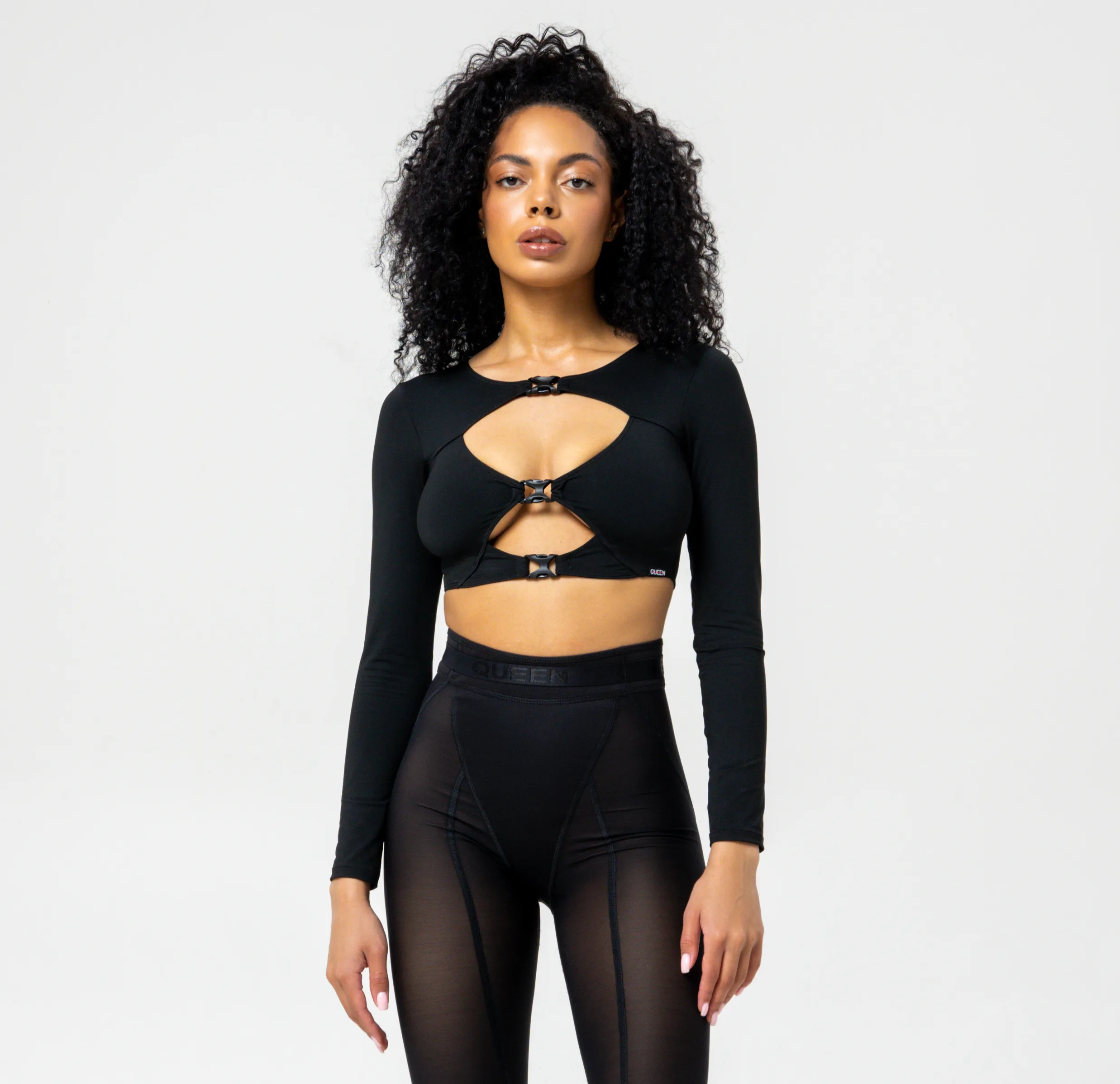
- Long-sleeve fitted tops for warm-up or low-impact classes
For dynamic training, choose a top with stronger support and stable straps. For choreography, a more expressive design may work well if it stays secure. For stretching or warm-up, softer and more covered tops can be comfortable.
The top should not slide, twist or dig into the shoulders. You should be able to lift your arms, arch your back and move through transitions without worrying about it.
Shorts, Leggings and Bottoms
The right bottom depends on the class style. Shorts, leggings and dance briefs all have different uses.
Shorts are useful for choreography, pole dance, heels classes and floor work when you want freedom around the legs. Leggings work well for stretching, warm-up, contemporary, conditioning and classes where more coverage is helpful. Dance briefs or high-cut bottoms can support visual lines and movement clarity.
When choosing bottoms, think about:
- How much leg movement the class requires
- Whether you need skin contact
- Whether the fabric slides comfortably on the floor
- Whether the waistband stays in place
- Whether the cut feels secure
- Whether the style matches the class
For pole-specific classes, pole dance clothing often needs to expose more skin for grip than general dancewear. For broader studio training, comfort and movement may matter more than grip.
Bodysuits for Dance Training
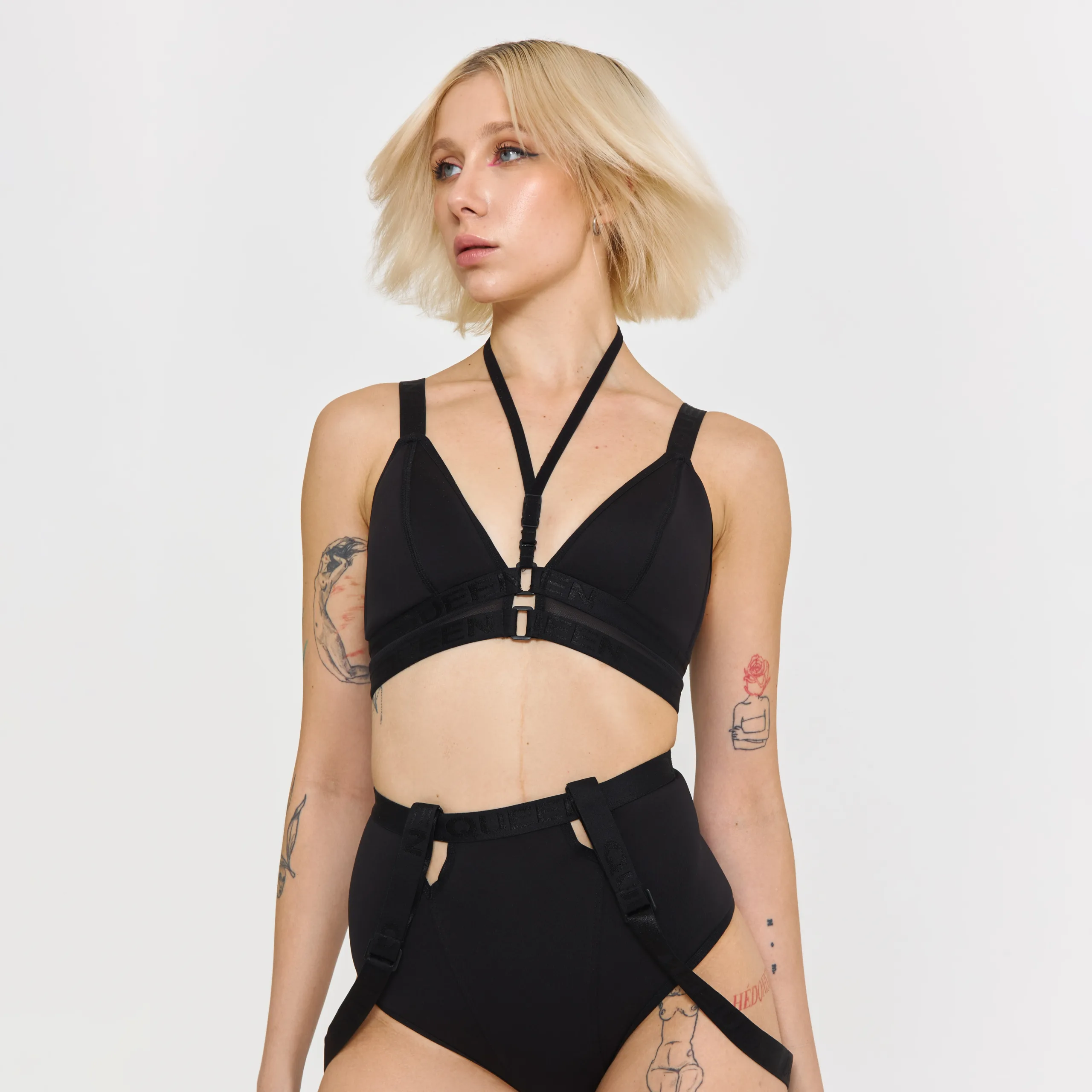
Bodysuits are a strong choice for studio training because they create a complete outfit that stays in place. They are especially useful for choreography, floor work, photoshoots, heels classes and performance-style training.
A bodysuit can help you:
- Avoid adjusting separate tops and bottoms
- Create clean body lines
- Feel secure during floor work
- Move through rolls and transitions smoothly
- Build a polished studio look
When choosing a bodysuit, check the cut carefully. It should not pull at the shoulders, dig into the hips or restrict the torso. For classes with deep backbends or floor work, stretch and comfort are especially important.
Bodysuits can be minimal and athletic or more expressive with mesh, straps, cutouts or open-back details.
Dancewear for Floor Work
Floor work requires clothing that can handle contact with the floor. You may kneel, slide, roll, arch, twist and transition between standing and floor positions. Your outfit should stay secure and feel comfortable against the skin.
For floor work, consider:
- Fitted shorts or bodysuits
- Secure tops that do not shift
- Knee pads for protection
- Soft fabrics that do not scratch
- Leggings for classes with more sliding
- Layers that can be removed after warm-up
Knee protection is especially useful for beginners. Even a beautiful outfit will not feel good if every transition hurts your knees.
Floor work dancewear should balance style and practicality. It can look expressive, but it still needs to support repeated movement.
Dancewear for Heels Classes
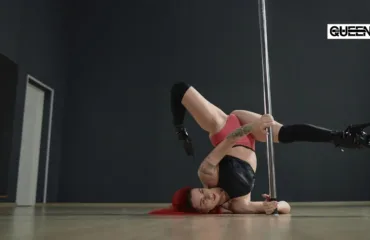
Heels classes have their own clothing needs. Outfits should support posture, lines, floor transitions and confidence. Many dancers prefer pieces that highlight leg lines, waist movement and body shapes while staying secure during choreography.
A good heels dance outfit may include:
- High-waisted shorts
- Bodysuits
- Strappy tops
- Fitted crop tops
- Knee pads
- Layers for warm-up
- Pieces that work visually with heels
Because heels choreography often includes floor work, waves, turns, kneeling transitions and dynamic accents, the outfit needs to stay in place. Avoid tops that slip, shorts that shift or fabrics that become uncomfortable against the floor.
The best heels outfit should make you feel confident and supported, not distracted.
Dancewear for Pole Dance
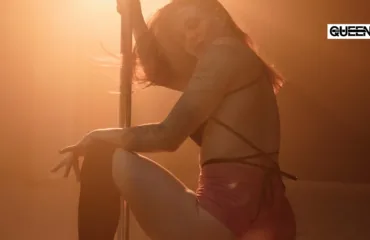
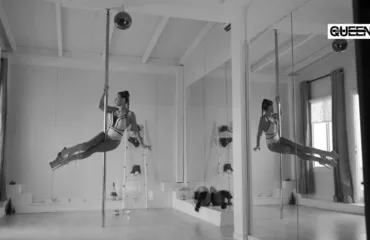
Pole dance has more specific clothing needs than many other studio styles. Because skin contact is important for grip, dancers often wear shorts, crop tops, sports-bra-style tops, bodysuits with cutouts or open-back designs.
For pole dance, clothing should:
- Allow skin contact with the pole
- Stay secure during spins and inversions
- Support the bust and torso
- Leave key grip areas available
- Stretch through splits, climbs and transitions
- Feel comfortable during floor work
General dancewear can work for warm-up, stretching and choreography, but technical pole training often needs more specialized pieces. If the class includes climbs, sits, holds or tricks, choose clothing that supports grip and safety.
Layers for Warm-Up
Layers are useful in almost every studio wardrobe. At the beginning of class, your body needs warmth before deeper movement. Lightweight layers help you warm up safely and can be removed once training becomes more intense.
Useful warm-up layers include:
- Lightweight hoodies
- Long-sleeve crop tops
- Leg warmers
- Soft joggers
- Wrap tops
- Oversized shirts for low-impact warm-up
Layers should be easy to remove and should not interfere with the main part of class. For pole dance or heels, many dancers wear warm-up layers over their training outfit and take them off when choreography or technique begins.
Support and Comfort
Support is especially important in tops, bodysuits and bras. The level of support you need depends on bust size, class intensity and personal comfort.
For dynamic classes, stronger support is usually better. For stretching, slow choreography or floor work, medium support may be enough. The goal is to feel secure without feeling compressed.
Supportive dancewear should:
- Hold the bust comfortably
- Avoid painful straps
- Stay close to the body
- Allow deep breathing
- Move with the ribs and shoulders
- Feel stable during turns, waves and transitions
Comfort should never be treated as secondary. If an outfit looks good but hurts, slips or limits movement, it will not work well for training.
How to Choose Dancewear for Your Body
The best dancewear is not about hiding the body. It is about choosing clothing that supports your movement, confidence and training goals.
Different dancers may need different solutions. Some prefer more coverage. Others feel best in open cuts. Some need strong bust support. Others prioritize flexibility, back openness or leg lines.
Helpful considerations include:
- Choose stronger tops if you need more bust support
- Choose high-waisted bottoms if you want more waist stability
- Choose open-back designs if shoulder mobility matters
- Choose shorts if you need leg freedom or pole grip
- Choose leggings if you want warmth or coverage
- Choose bodysuits if you want a complete outfit that stays in place
The right outfit should feel like it belongs to your movement style and your body.
Style and Confidence
Dancewear is functional, but style also matters. When you feel good in your outfit, it can affect posture, expression and confidence. This is especially true in choreography, heels, exotic dance and performance-style classes.
Style can come from:
- Color
- Cut
- Straps
- Mesh details
- Open backs
- Matching sets
- High-waisted silhouettes
- Bodysuits
- Layering
However, style should never replace fit. A beautiful outfit that moves poorly will distract you. The best dancewear combines visual appeal with practical comfort.
Common Mistakes When Choosing Dancewear
Many beginners choose dancewear based only on appearance. Aesthetic matters, but training function matters more.
Common mistakes include:
- Wearing loose clothing that shifts during movement
- Choosing tops with too little support
- Wearing leggings when skin contact is needed for pole
- Choosing shorts that ride up or roll down
- Ignoring how fabric behaves during floor work
- Buying bodysuits that pull or dig in
- Choosing pieces that look good but restrict shoulder movement
- Forgetting warm-up layers
The best way to avoid these mistakes is to test clothing before class. Move, stretch, bend, twist and check whether the outfit stays secure.
Building a Studio Dancewear Wardrobe
You do not need a huge wardrobe to start. A few versatile pieces can cover most studio classes.
A practical beginner wardrobe may include:
- 2 supportive tops
- 1 fitted crop top
- 2 pairs of shorts
- 1 pair of leggings
- 1 bodysuit
- Knee pads for floor work
- Light warm-up layers
- One expressive outfit for choreography or heels
As your training becomes more specific, you can add pieces for pole dance, heels, exotic pole, stretching, photoshoots or performances.
Care Tips for Dancewear
Good dancewear lasts longer when you care for it properly. Stretch fabrics, mesh, straps and delicate details can lose shape if washed carelessly.
Basic care tips:
- Wash in cool water
- Use gentle detergent
- Avoid harsh bleach
- Wash delicate pieces inside out
- Air dry when possible
- Avoid high heat
- Store strappy pieces carefully to prevent tangling
Proper care helps fabric keep its stretch, color and fit, especially if you train often.
Final Thoughts
Dancewear for women should support movement, comfort and confidence. The best outfit depends on the class: stretching needs flexibility, floor work needs stability, heels needs confidence and control, while pole dance often needs skin contact for grip.
Start with pieces that fit well, stretch comfortably and stay in place. Add more specialized outfits as your training develops. A good studio wardrobe does not need to be large. It needs to be functional, versatile and aligned with the way you move.
When choosing dancewear, focus on fit, fabric, support, class type and personal comfort. The right clothes will help you train with more freedom, better focus and stronger confidence in every studio session.