




 UA
UA  PL
PL Best Knee Pads for Pole Dancing: Types Explained
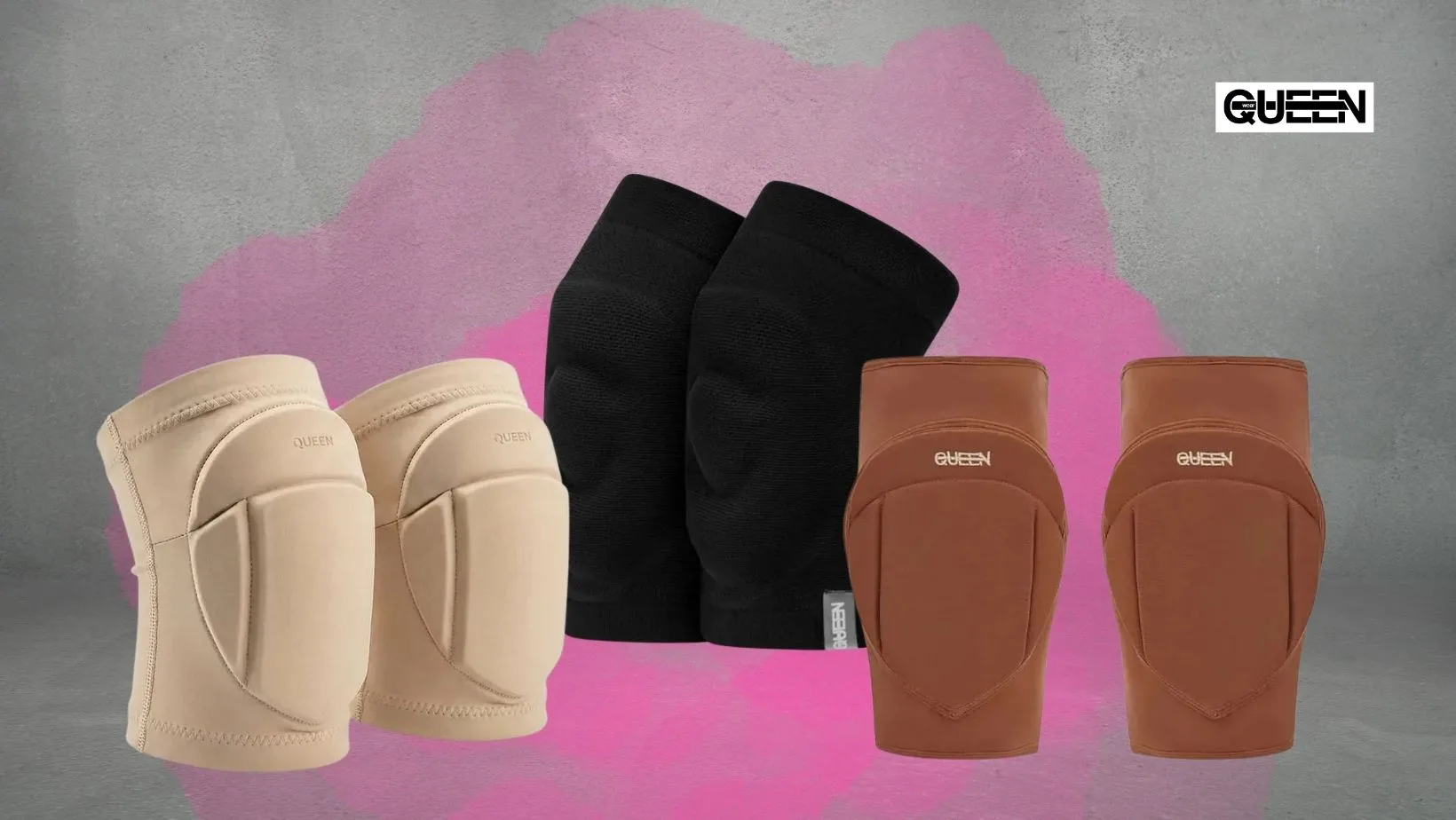
Knee pads are one of the most useful accessories for pole dancers who practise floorwork, exotic pole, drops to the knees, slides and choreography close to the floor.
But not all knee pads feel the same.
Some are soft and flexible, some use thicker gel padding, and others add grippy surfaces to help with contact against the pole. The best choice depends on your dance style, how much impact protection you need and whether you want more freedom or more cushioning.
This guide explains the main types of knee pads for pole dancing and how to choose the right pair.
Why Do Pole Dancers Wear Knee Pads?
Pole dance often includes movements where the knees touch or slide across the floor.
Knee pads can help reduce discomfort during:
- floorwork;
- knee slides;
- drops to the knees;
- transitions between standing and floor positions;
- exotic pole choreography;
- repeated kneeling during practice.
They are especially useful when learning new choreography, because beginners often place more pressure on the knees before developing smoother control.
You can explore the full Queen Wear knee pads collection to compare different levels of padding and grip.
What Makes Good Pole Dance Knee Pads?
Good knee pads should protect without interfering with movement.
Look for:
- secure fit;
- flexible construction;
- enough padding for your training style;
- freedom to bend and extend the knee;
- fabric that stays in place;
- comfortable edges that do not dig into the leg.
The ideal pair should feel supportive without becoming bulky.
Soft Knee Pads
Soft knee pads usually use lighter foam or flexible padding.
They are a good choice for dancers who want:
- freedom of movement;
- light protection;
- comfortable floorwork;
- less bulk around the knee;
- easy transitions between standing and floor choreography.
Because they are thinner, they can feel more natural during long dance combinations.
However, soft padding provides less impact protection than thicker gel models.
Best for
Soft knee pads work well for:
- controlled floorwork;
- choreography classes;
- beginner kneeling movements;
- dancers who dislike bulky protection.
Gel Knee Pads
Gel knee pads usually provide more cushioning than soft foam models.
The gel layer helps absorb pressure when the knee contacts the floor.
They can be useful for:
- repeated knee drops;
- harder studio floors;
- intensive floorwork;
- dancers with sensitive knees;
- choreography with frequent kneeling.
The main trade-off is volume. Thicker protection can feel heavier or slightly more restrictive.
If your training includes frequent impact, gel padding may be worth the extra thickness.
Gel vs Soft Knee Pads
The main difference is the balance between cushioning and flexibility.
| Feature | Soft knee pads | Gel knee pads |
| Padding | Light to medium | Medium to high |
| Flexibility | Higher | Slightly lower |
| Bulk | Minimal | More noticeable |
| Floorwork | Very good | Very good |
| Knee drops | Moderate protection | Better cushioning |
| Long choreography | Lightweight feel | More protection |
Neither type is automatically better.
If you mostly perform smooth floor transitions, soft knee pads may feel more comfortable. If your choreography includes harder impacts, gel protection can be more suitable.
Grippy Knee Pads
Grippy knee pads include material designed to increase friction against the pole.
This can be useful because ordinary knee pads sometimes cover an important skin-contact area.
For example, if you need the back or side of the knee to grip the pole, a slippery fabric can make certain movements more difficult.
Grippy knee pads can help maintain contact while still providing protection.
They are particularly useful for dancers who combine:
- pole tricks;
- floorwork;
- exotic choreography;
- knee-based transitions.
The amount and placement of grip material can vary, so choose a design that matches how you use your knees against the pole.
Do Knee Pads Reduce Pole Grip?
Some can.
Standard sports knee pads are usually designed for impact protection, not pole dance. Their outer material may slide against the pole.
This can make certain knee grips harder.
Pole-specific knee pads are designed with dance movement in mind. Depending on the model, they may use:
- thinner sides;
- open areas;
- grippy panels;
- flexible construction.
If you regularly use the knee as a contact point on the pole, grip should be part of your buying decision.
Adjustable Knee Pads
Adjustable knee pads are useful if you want more control over fit.
They can be especially practical if:
- your legs fall between standard sizes;
- you want to change compression;
- you wear them over leggings during warm-up;
- you prefer a more secure hold.
A good adjustable model should stay in place without cutting into the skin.
Too loose, and the pad may rotate. Too tight, and it may restrict movement.
Knee Pads With Replaceable Inserts
Some knee pads use removable or replaceable padding.
This can be useful because it allows you to adjust the level of protection.
For example, you may want:
- thicker inserts for intensive floorwork;
- lighter padding for choreography;
- replacement inserts once the original padding wears down.
This design can also make cleaning and maintenance easier.
How Thick Should Pole Knee Pads Be?
Choose thickness based on impact.
Light padding
Best for:
- smooth choreography;
- light kneeling;
- dancers who prioritise flexibility.
Medium padding
Best for:
- regular pole classes;
- mixed floorwork;
- everyday training.
Thick padding
Best for:
- repeated knee drops;
- hard floors;
- intensive exotic pole choreography.
More padding is not always better. Very thick pads can reduce mobility and change the shape of your movement.
How Should Knee Pads Fit?
Knee pads should stay centred over the knee throughout the session.
They should not:
- slide down;
- rotate around the leg;
- bunch behind the knee;
- cut deeply into the skin;
- restrict bending.
A good fit feels secure but not tight.
Before training, test them by:
- Bending and straightening your knees.
- Squatting.
- Kneeling.
- Sliding one knee lightly across the floor.
- Moving from standing to floor level.
- Walking and turning.
If the pads stay in place, the fit is likely right.
Should Knee Pads Be Tight?
They should be fitted, but not excessively tight.
Too-loose knee pads may shift during choreography. Too-tight pads can cause discomfort and restrict circulation or movement.
The goal is stable placement without compression that distracts you from dancing.
Best Knee Pads for Beginners
Beginners usually benefit from a versatile medium-padding option.
Look for knee pads that offer:
- secure fit;
- moderate cushioning;
- good flexibility;
- easy movement;
- enough protection for kneeling and basic floorwork.
You do not necessarily need the thickest or most technical model at the start.
A comfortable pair that stays in place is usually the best first choice.
Best Knee Pads for Exotic Pole
Exotic pole often includes more floorwork, slides, knee transitions and controlled drops.
For this style, look for:
- reliable padding;
- flexible construction;
- secure fit;
- good grip where needed;
- a low-profile shape that does not interrupt leg lines.
Depending on the choreography, gel or grippy knee pads may be especially useful.
Best Knee Pads for Floorwork
For floorwork, movement quality matters as much as protection.
The pads should allow you to:
- slide smoothly;
- bend deeply;
- move through kneeling positions;
- transition quickly;
- extend the legs without restriction.
Soft or medium-padding models often provide a good balance.
If the choreography includes strong knee impacts, thicker gel padding may be preferable.
Can You Use Volleyball Knee Pads for Pole Dance?
You can, especially when starting, but they are not always ideal.
Volleyball knee pads are designed primarily for impact protection. They may be:
- bulky;
- less flexible;
- more likely to slide on the pole;
- less suitable for detailed floor choreography.
Pole-specific knee pads are generally better adapted to the combination of dance, floorwork and pole contact.
Knee Pads Over Bare Skin or Leggings?
Both are possible.
Wearing them over bare skin usually provides:
- a closer fit;
- less movement;
- better control.
Wearing them over leggings can work during warm-up or choreography where skin grip is not needed.
If you are switching between floorwork and pole tricks, remember that fabric covering the legs can reduce direct skin contact with the pole.
How to Care for Pole Knee Pads
Knee pads collect sweat and floor residue quickly.
To keep them in good condition:
- follow the manufacturer’s washing instructions;
- remove inserts if the design allows it;
- allow them to dry fully after training;
- avoid leaving damp pads inside your dance bag;
- check padding regularly for compression or damage.
If the cushioning no longer protects the knee effectively, it may be time to replace the insert or the entire pair.
Which Type Should You Choose?
A simple guide:
| Your training | Best starting option |
| Beginner classes | Medium soft padding |
| Light floorwork | Soft knee pads |
| Frequent knee drops | Gel knee pads |
| Pole tricks + floorwork | Grippy knee pads |
| Sensitive knees | Gel or thicker padding |
| Choreography-focused training | Flexible, low-profile pads |
The best knee pads for pole dancing are the ones that match the way you actually train.
Protection Should Not Limit Your Movement
Good knee pads should make you feel more confident on the floor without making your legs feel heavy or restricted.
If you prefer smooth choreography and maximum flexibility, softer pads may be enough. If you practise repeated knee drops or intensive floorwork, gel padding can provide additional protection. If your knees also need to grip the pole, look for grippy knee pads designed specifically for pole dance.
Explore the Queen Wear knee pads collection to compare different padding levels, fits and grip options for pole dance, exotic choreography and floorwork.