




 UA
UA  PL
PL How to Twerk: A Step-by-Step Guide for Beginners
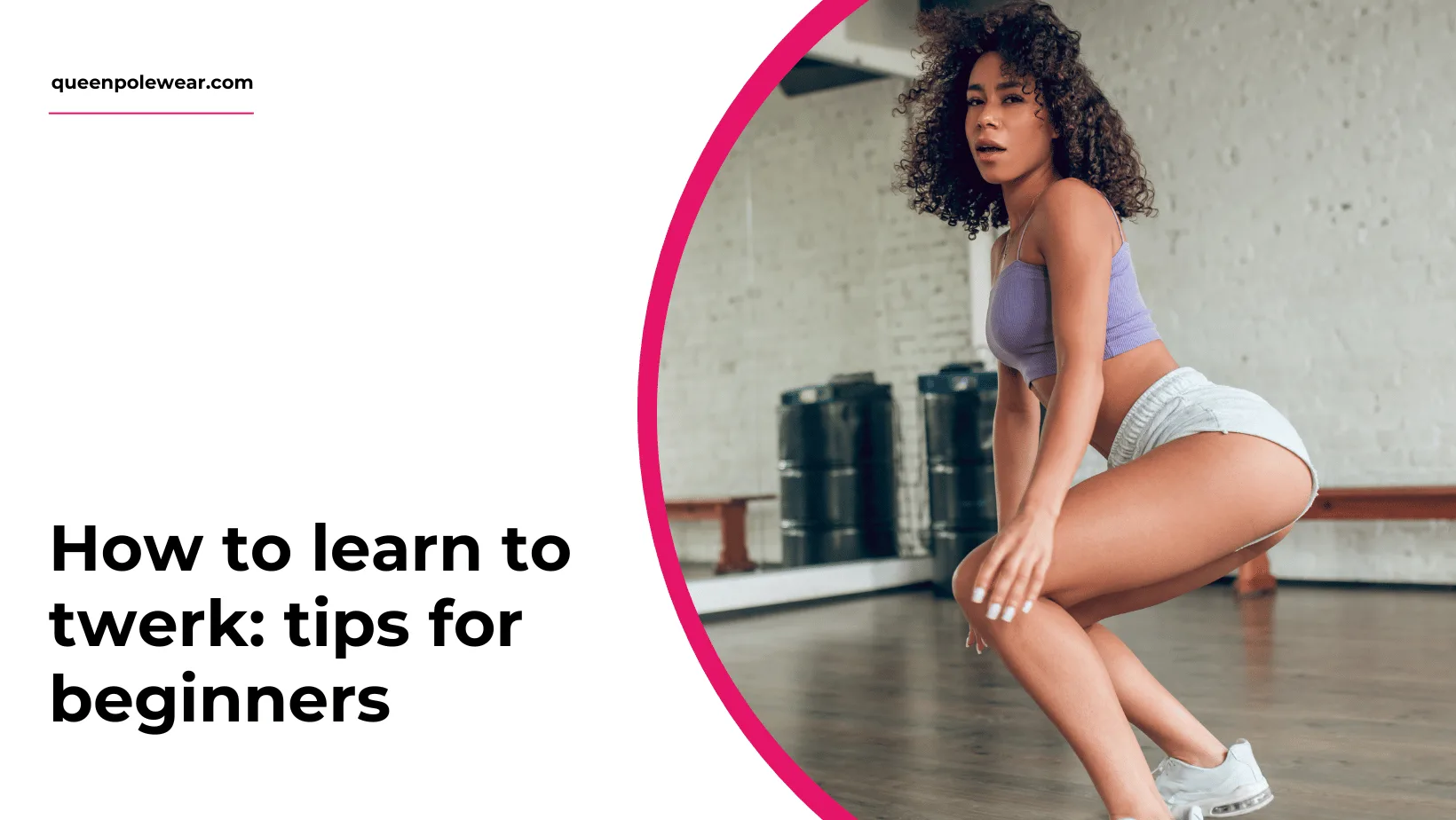
Twerking is more than a viral dance trend — it’s an expressive, energetic, and empowering movement that blends rhythm, confidence, and body awareness. If you’re a complete beginner wondering how to twerk, you’re in the right place. This step-by-step twerking guide walks you through exactly what twerking is, the core moves to start with, how to control your hips, the most common mistakes to avoid, and how to stay safe while you practice — everything you need to go from your very first bounce to a confident freestyle.
What Is Twerking?
Twerking is a dance style built on rhythmic hip and glute movements — usually performed in a squat or bent-knee stance — where you push and bounce your hips while keeping your upper body relatively still. The word “twerk” is widely believed to combine “twist” and “jerk,” and the move grew out of the New Orleans bounce scene in the early 1990s before going global.
At its heart, twerking is about hip isolation: the ability to move your pelvis independently from your torso. Master that one skill and every other twerk move becomes far easier. Want the full backstory? Read our deep dive on the history of twerk as a dance.
How to Twerk: Step-by-Step for Beginners
Follow these five steps in order. Don’t rush — spend a few sessions on each one until it feels natural, and only then move on.
Step 1 – Get Into the Right Stance
Stand with your feet slightly wider than shoulder-width, toes turned out a little, and knees soft and bent. Hinge forward slightly at the hips and place your hands on your thighs or knees for support. This stable, low base is where almost all twerking happens — a strong stance gives your hips room to move.
Step 2 – Learn the Basic Booty Pop
With your knees bent, tilt your pelvis forward by tucking your tailbone under (arching your lower back in), then release it back so your back gently arches the other way. Forward tuck, backward arch — that alternating tilt is the “pop.” Start slow and exaggerate the motion so you can feel it before you speed up.
Step 3 – Master Hip Control and Isolations
The secret to twerking fast and fluidly is controlling your hips independently from your upper body. Practice isolations: stand still and shift your hips forward, backward, and side to side without moving your chest or shoulders. The stronger your hip control, the smoother your transitions into faster routines and freestyle will be.
Step 4 – Add the Bounce and Shake
Once the pop feels natural, add a small bounce by pulsing your knees in time with the beat. To build the classic “shake,” relax your glutes and let them move loosely as you bounce — tension kills the movement. Keep your core engaged for control while your lower body stays relaxed.
Step 5 – Practice in Front of a Mirror
Self-awareness is everything when you’re learning to twerk. Practising in front of a mirror lets you correct your posture, refine your technique, and see your movement in real time. It also builds confidence — watching your own progress week to week is the fastest way to stay motivated.
Essential Twerk Moves for Beginners
These foundational moves build the muscle control you need for everything more advanced. Add them to your practice one at a time:
- Booty Pop: Feet shoulder-width apart, knees slightly bent. Push your hips upward quickly, then release. Alternate sides to build rhythm.
- Body Roll: Standing tall, start a wave-like motion from your hips up through your torso. Builds fluidity and control.
- Twerk Squat: In a squat with chest lifted and back straight, bounce your hips up and down. Strengthens legs and glutes while teaching isolation.
- Hip Circles: Rotate your hips in a wide circle, both clockwise and counter-clockwise, to develop balance and flexibility.
- Cheek Isolations: Feet planted, engage one glute at a time to shift side to side. A classic move used in countless routines.
Common Twerking Mistakes to Avoid
Most beginners struggle for the same handful of reasons. Fix these early and you’ll progress much faster:
- Standing too upright. If your legs are straight, your hips can’t move. Keep your knees bent and stay low.
- Moving your whole back instead of your hips. The motion comes from tilting your pelvis, not from bending your spine.
- Tensing your glutes. Relaxed muscles bounce; tight ones don’t. Loosen up.
- Going too fast too soon. Speed comes after control. Nail the movement slowly first.
- Skipping the warm-up. Cold hips and lower back are how people pull muscles.
Warm Up and Protect Your Body

Twerking looks playful, but it’s physically demanding on your hips, thighs, and lower back. Spend 5–10 minutes warming up with dynamic stretches — leg swings, hip circles, and light squats — before every session. While practising, keep your spine aligned (avoid over-arching), use your core to stabilise, bend your knees to protect your joints, and stop the moment you feel pain or fatigue. Hydrate and take breaks often.
Because twerking often involves squatting and floor work, your knees take a lot of impact. A pair of professional dance knee pads protects them on hard surfaces and lets you practise longer in comfort:
What to Wear for Twerking
What you wear directly affects how freely you can move. Many dancers choose fitted shorts for twerking because they allow maximum flexibility and make your hip movement clearly visible — so you can see the effect of every motion and correct it. Fitted shorts also keep you cool during intense sessions. Pair them with a supportive top and grippy footwear (or bare feet) and you’re ready to practise.
How Long Does It Take to Learn to Twerk?
Most beginners get comfortable with the basic booty pop within a few weeks of consistent practice, and a solid freestyle within a couple of months. The single biggest factor is consistency: even 15 minutes a few times a week beats one long session now and then. Set a simple schedule, follow along with tutorials, and track your progress in the mirror. Above all, have fun — twerking is about celebrating your body and feeling the beat, and every stumble is just a step toward confidence.
Final Thoughts
Learning to twerk is a journey of movement, rhythm, and self-expression. Focus on your stance, master hip isolation, avoid the common mistakes, protect your knees, and stay consistent — and it will click. Put on your favourite playlist, grab your dance shorts, and let the music move you.
Frequently Asked Questions
What is twerking?
Twerking is a dance style based on rhythmic hip and glute movements, usually performed in a squat or bent-knee stance, where you bounce and pop your hips while keeping your upper body relatively still.
How do you twerk for beginners?
Start in a low, wide stance with bent knees and hands on your thighs. Tilt your pelvis forward and back to create the “pop,” keep your glutes relaxed so they bounce, and practise slowly in front of a mirror before adding speed.
Is twerking hard to learn?
At first it can feel awkward, but it’s very learnable. With regular practice, most beginners gain control and confidence within a few weeks. The key skill to focus on is hip isolation.
Can anyone learn to twerk?
Yes. Twerking is for everyone, regardless of age, size, or dance background. The most important thing is feeling comfortable and confident in your own body.
How long does it take to learn to twerk?
With practice 2–3 times a week, you can learn the basics within about a month. Building speed, stamina, and a smooth freestyle usually takes a couple of months of consistent training.
What should I wear to twerk?
Fitted dance shorts are ideal because they allow full hip mobility and let you see your movement clearly. Add knee pads for floor work on hard surfaces, plus a supportive top so you can move freely.