





 UA
 PL
 ES
 DE
 FR
Knee Pads for Heels Dance and Floorwork: What to Look For

Heels dance and floorwork involve much more than walking in high heels. Smooth transitions, knee slides, controlled descents and movements close to the floor are essential parts of many choreographies. While these elements look effortless, they can place repeated pressure on your knees.
That’s why choosing the right knee pads for heels dance and floorwork is so important. A good pair should provide cushioning, stay securely in place and allow you to move naturally without interrupting your choreography.
Whether you practice exotic pole, heels dance or floor-based choreography, this guide will help you understand what to look for in knee protection and how to choose a pair that fits your training style.
You can explore Queen Wear’s knee pads for pole dancing, including different designs for protection, movement and personal style.
Why Do You Need Knee Pads for Heels Dance?
Unlike many traditional dance styles, heels choreography frequently involves direct contact between the knees and the floor.
Movements such as knee slides, floor transitions and kneeling poses can create pressure and friction, especially when repeated throughout a training session.
Knee pads help by:
- Cushioning the knees during contact with the floor.
- Reducing discomfort caused by repeated kneeling.
- Helping protect the skin from friction.
- Making controlled floor transitions more comfortable.
- Supporting confidence during choreography practice.
However, knee pads cannot eliminate every risk of injury. Correct technique, controlled movements and a suitable training surface are equally important.
For beginners, knee protection is particularly useful when learning how to distribute body weight and move smoothly between standing and floor positions.
What to Look For in Knee Pads for Floorwork
Not all knee pads are designed for the same activities. Some prioritize cushioning, while others focus on flexibility, grip or a low-profile appearance.
When choosing knee pads for heels dance, pay attention to five essential features.
1. Cushioning and Impact Protection
The most important feature is appropriate padding.
During floorwork, your knees may repeatedly touch or support part of your body weight against the floor. Padding helps distribute pressure and makes these movements more comfortable.
Look for knee pads with cushioning positioned over the front of the knee. Depending on your choreography, protection around the inner knee may also be valuable.
The ideal thickness depends on your movements:
- Light cushioning: Suitable for gentle choreography and occasional kneeling.
- Medium cushioning: A versatile option for regular heels training and floorwork.
- Thicker cushioning: Useful when your practice includes frequent knee contact or more demanding transitions.
More padding does not always mean better performance. Very bulky knee pads can interfere with movement or feel uncomfortable when bending your legs.
2. Secure Fit That Doesn’t Slip
Even well-padded knee protection becomes frustrating if it moves during choreography.
Your knee pads should remain centered over your knees when you walk, squat, kneel or transition to the floor.
Look for:
- An elastic construction that follows your movements.
- Secure edges that do not roll down.
- A comfortable fit around the leg.
- Adjustable elements when available.
- A design that does not create excessive pressure behind the knee.
Knee pads that are too loose may slide out of position. Models that are too tight can cause discomfort and restrict movement.
3. Freedom of Movement
Heels dance requires flexibility and a wide range of motion.
You may need to bend your knees deeply, extend your legs, perform body waves and move between standing, kneeling and seated positions.
Your knee pads should support these movements rather than limit them.
Flexible materials and a well-designed shape are particularly important for dancers who practice fluid choreography.
A useful test is to perform several slow squats, knee bends and floor transitions while wearing the pads. They should remain comfortable throughout the movement.
4. Surface Material and Sliding Ability
The outer material of your knee pads can affect how smoothly you move across the floor.
For heels choreography and floorwork, many dancers prefer a surface that allows controlled sliding without excessive friction.
However, the ideal material depends on the flooring used in your studio.
On some surfaces, fabric-covered knee pads may slide more easily. On others, the same material may create additional resistance.
If your choreography includes frequent knee slides, test the pads on the actual studio floor before attempting faster combinations.
5. Grip for Pole Dance
Some dancers use the same knee pads for both heels choreography and pole dance.
If your training includes pole tricks that require contact around the knees, models with dedicated grip areas may be useful.
Grippy knee pads are designed to increase friction at selected contact points, helping with certain pole movements.
However, they are not always the best option for unrestricted floor slides. Grip surfaces may create resistance when they touch the floor.
Choose according to your main activity rather than assuming that additional grip is always better.
Types of Knee Pads for Heels Dance and Floorwork
Several types of knee pads can work well for dancers, depending on their priorities.
| Type | Main advantage | Best suited for |
| Soft knee pads | Comfortable, flexible cushioning | Regular choreography and gentle floorwork |
| Gel knee pads | Compact pressure cushioning | Dancers who prefer a lower-profile design |
| Protective knee pads | More substantial padding | Frequent kneeling and demanding floor transitions |
| Grippy knee pads | Additional grip in selected areas | Pole dance combined with heels training |
| Adjustable knee pads | More control over the fit | Dancers who need a customizable fit |
Some models also feature decorative straps, mesh panels or garter-inspired details, making them suitable for performances and photoshoots.
The design should never compromise protection or interfere with movement.
How Thick Should Knee Pads Be for Floorwork?
One of the most common questions is whether thin or thick knee pads are better for dancing.
The answer depends on the intensity of your training.
For beginner heels classes with gentle floor transitions, moderate cushioning is often sufficient. It provides comfort without adding unnecessary bulk.
For routines that involve frequent knee slides, prolonged kneeling or repeated contact with the floor, more substantial protection may be beneficial.
Keep in mind that padding compresses under pressure. What feels soft while standing may feel different during a floor movement.
When comparing models, consider not just thickness but also the position and quality of the protective insert.
How to Choose the Right Knee Pad Size
Correct sizing is essential for both protection and comfort.
Knee pads should fit snugly without excessive compression. They must stay positioned over the knee even when you bend your legs or change direction.
Before buying:
- Measure your leg according to the manufacturer’s size guide.
- Check whether the model has adjustable straps or elastic sections.
- Consider whether you prefer a close-fitting or more flexible design.
- Make sure the padding covers the areas that contact the floor.
If you are between sizes, follow the recommendations for the specific model rather than automatically choosing the smaller option.
A secure fit should feel supportive, not restrictive.
Knee Pads for Heels Dance vs Pole Dance: Is There a Difference?
Heels dance and pole dance place different demands on knee protection.
In heels choreography, knee pads are primarily used to cushion contact with the floor and make slides or transitions more comfortable.
In pole dance, some movements also require grip against the pole, which can make specialized grippy designs more useful.
For dancers who practice both styles, the choice depends on which movements they perform most often.
Choose floorwork-focused knee pads if:
- Your classes include frequent knee slides.
- You perform choreography close to the floor.
- You prioritize flexibility and smooth transitions.
- You rarely need knee grip on the pole.
Consider grippy knee pads if:
- You combine pole tricks with floor choreography.
- Your technique requires grip around the knee.
- You need additional friction for specific pole elements.
If you train in several styles, you may eventually prefer different knee pads for different classes.
Explore the Queen Wear pole dance knee pads collection to compare cushioning, grippy designs and adjustable options.
How to Keep Knee Pads Comfortable During Training
Even correctly sized knee pads need occasional adjustments and care.
Before each class, check that the padding is properly positioned and that the fabric has not twisted.
During training, pay attention to whether the pads shift, dig into your skin or restrict movement.
After class, allow them to dry and follow the manufacturer’s cleaning instructions.
If the protective inserts have become noticeably compressed or the elastic no longer holds the pads securely, consider replacing the worn components or the knee pads themselves.
Regular care helps maintain comfort and reliable performance.
Common Mistakes When Choosing Knee Pads
When buying knee protection for heels dance, avoid these common mistakes:
- Choosing knee pads only for their appearance.
- Buying a smaller size to prevent slipping.
- Assuming thicker padding is always better.
- Ignoring the floor surface used during training.
- Choosing grippy models when smooth sliding is your priority.
- Wearing pads with damaged or heavily compressed cushioning.
- Expecting knee pads to compensate for unsafe technique.
The best knee pads should match your movements, provide comfortable support and allow you to focus on dancing.
Final Thoughts: Finding the Best Knee Pads for Heels Dance
The right knee pads for heels dance and floorwork combine cushioning, flexibility, secure fit and suitable surface material.
If your classes focus on smooth floor transitions, prioritize comfortable padding and controlled sliding. If you also practice pole tricks, consider whether additional grip would be useful.
Beginners should start with knee pads that feel secure, allow natural movement and provide enough protection for their current training level.
With appropriate knee protection and good technique, you can spend less time worrying about discomfort and more time developing your choreography, musicality and confidence.
Find your ideal pair in Queen Wear’s knee pads for pole dancing collection, featuring options for different dance styles and training needs.


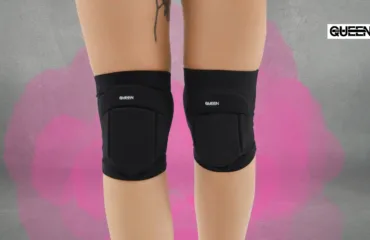



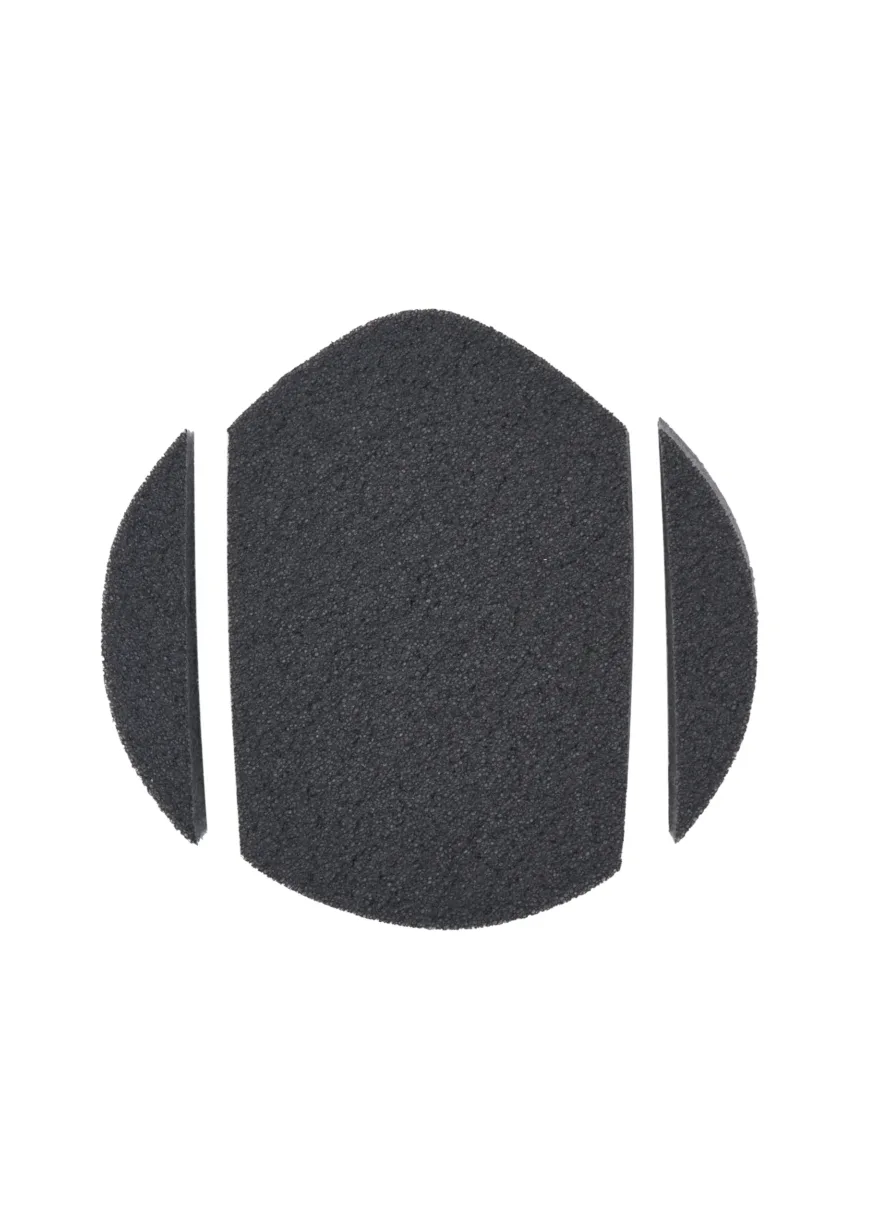 Changeable pads for Knee Pads
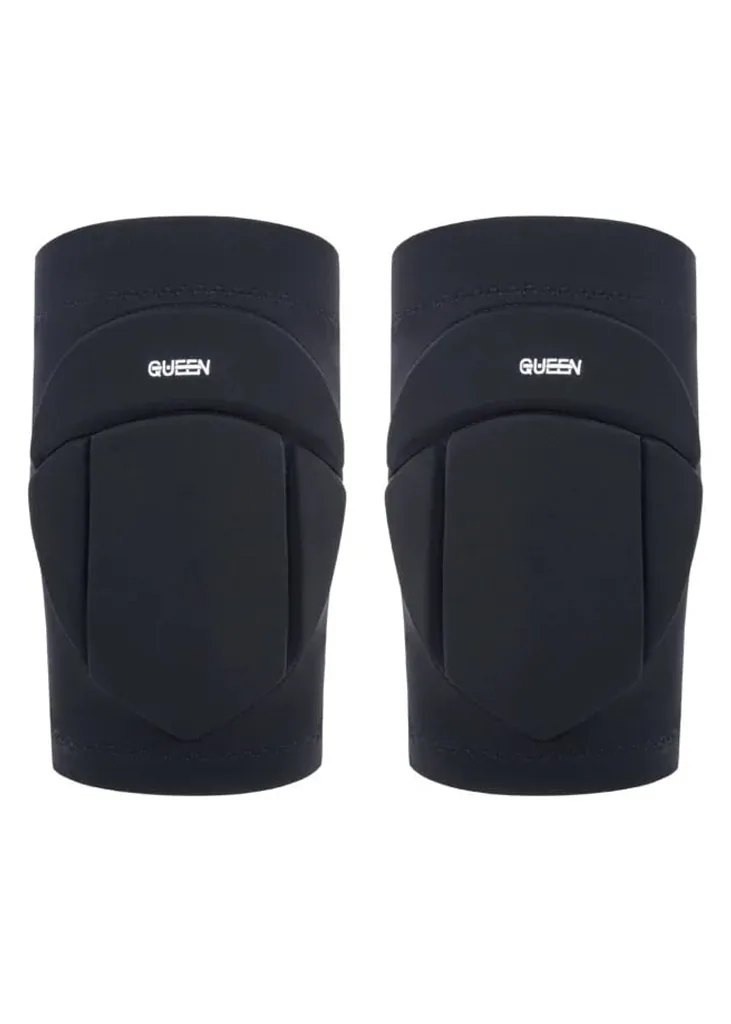 PRO 5 SOFT TOUCH
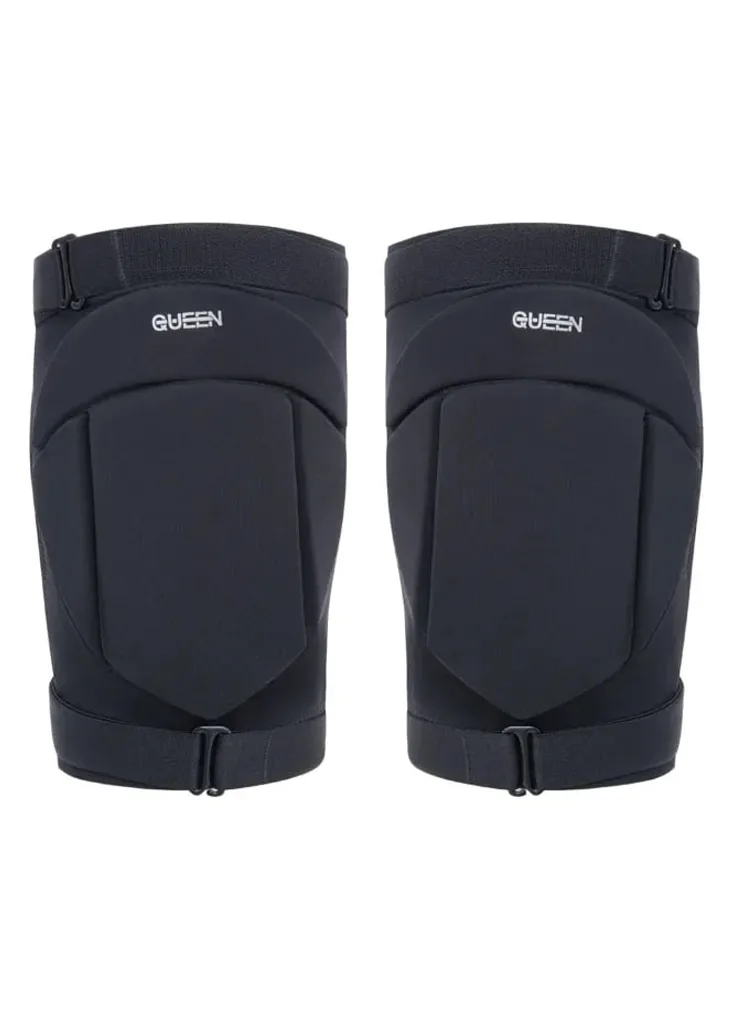 PRO 5 EASY TOUCH
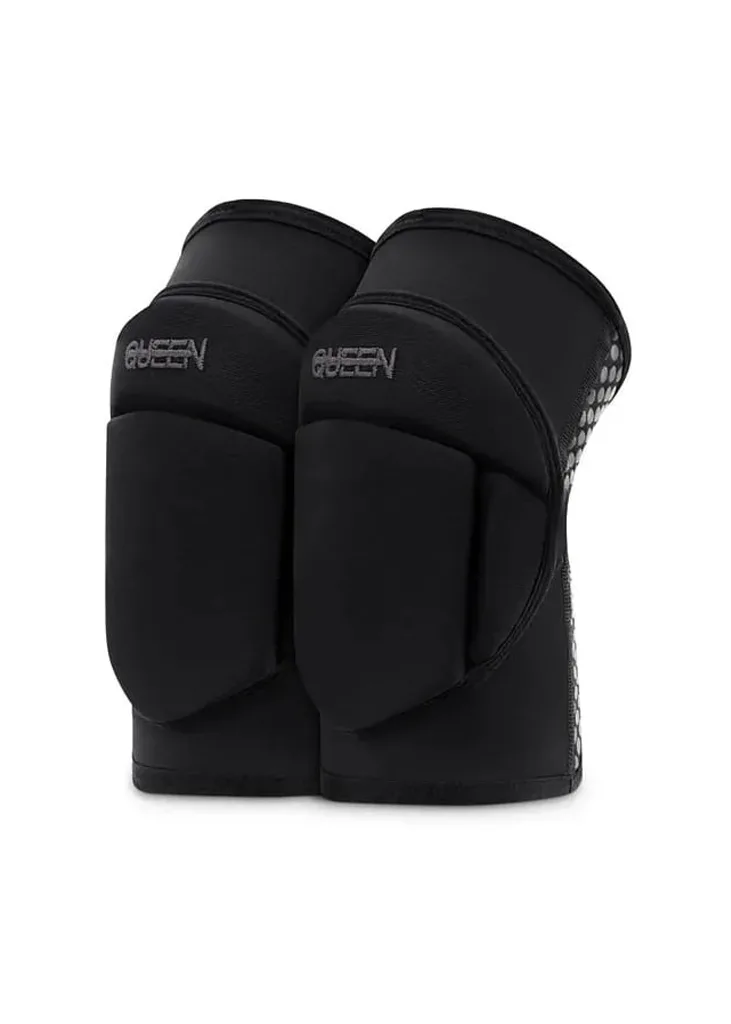 PRO 4
 DODO
 DODO
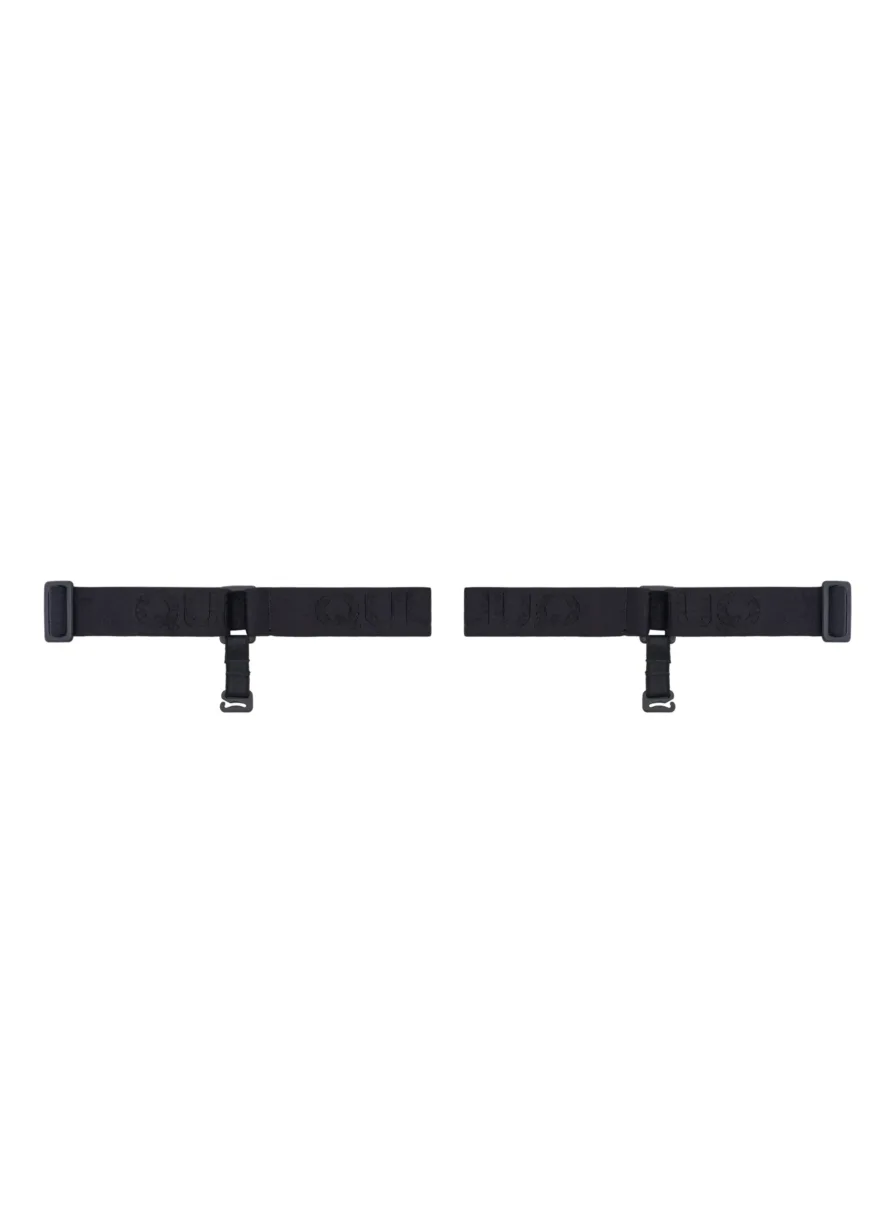 Removable Garters for Knee Pads
 Changeable pads for Knee Pads of Models 4