





 UA
 PL
 ES
 DE
 FR
Chair Dance for Beginners: A Sensual Movement Guide

Chair dance is a creative way to explore movement, musicality and confidence without complicated equipment. Using a simple chair as part of your choreography, you can learn expressive poses, fluid transitions and controlled movements that combine dance technique with personal style.
Whether you are completely new to dancing or already enjoy heels and exotic choreography, chair dance for beginners offers an accessible way to develop coordination, flexibility and body awareness.
You don’t need previous dance experience or high heels to get started. In this guide, we’ll cover basic chair dance moves, simple choreography, what to wear and how to practice safely at home.
What Is Chair Dance?
Chair dance is a style of movement that uses a chair as a prop and support for choreography. It combines seated positions, standing transitions, body waves, leg movements and expressive poses.
Depending on the class, chair dance can incorporate elements of jazz, heels dance, burlesque and exotic dance. Some routines are slow and sensual, while others are energetic, theatrical or playful.
Common elements include:
- Seated body waves and controlled upper-body movements.
- Leg extensions and expressive lines.
- Hip circles and isolated movements.
- Standing poses using the chair for support.
- Transitions between sitting, standing and floor positions.
- Choreography synchronized with music.
Unlike pole dance, chair dance doesn’t require a pole or advanced gripping techniques. However, it still involves balance, coordination and muscular control.
Benefits of Chair Dance for Beginners
Chair dance is not just about learning attractive movements. Regular practice can help develop several skills that are useful across different dance styles.
Better Body Awareness
Chair choreography encourages you to pay attention to posture, weight distribution and the position of individual body parts. Learning to move your shoulders, hips and torso independently can improve overall coordination.
Improved Flexibility and Mobility
Leg extensions, controlled turns and body waves involve different muscle groups and joint movements. Practicing within a comfortable range can help develop mobility over time.
Confidence and Self-Expression
Chair dance creates space to experiment with movement and discover your personal style. You can explore different tempos, gestures and expressions without focusing entirely on difficult tricks.
Stronger Movement Control
Even slow movements require engagement from your core, legs and supporting muscles. Controlled transitions can help you develop stability and balance.
What Do You Need for Your First Chair Dance Class?
You don’t need much equipment to begin, but choosing the right chair and practicing in a suitable space are essential.
Choose a Stable Chair
Use a sturdy chair with four legs, a firm seat and a secure backrest. It should remain stable when you sit, stand or shift your weight.
Avoid:
- Chairs with wheels.
- Folding chairs that might collapse.
- Lightweight or unstable furniture.
- Chairs with loose legs or damaged parts.
- Slippery surfaces that allow the chair to move.
Place the chair on a level, non-slip floor and leave enough space around it for safe movement. Avoid standing on the chair or putting your full weight on the backrest unless a qualified instructor has specifically taught the technique using suitable equipment.
Wear Comfortable Dance Clothing
Your outfit should allow you to sit, extend your legs, bend and move freely without constant adjustments.
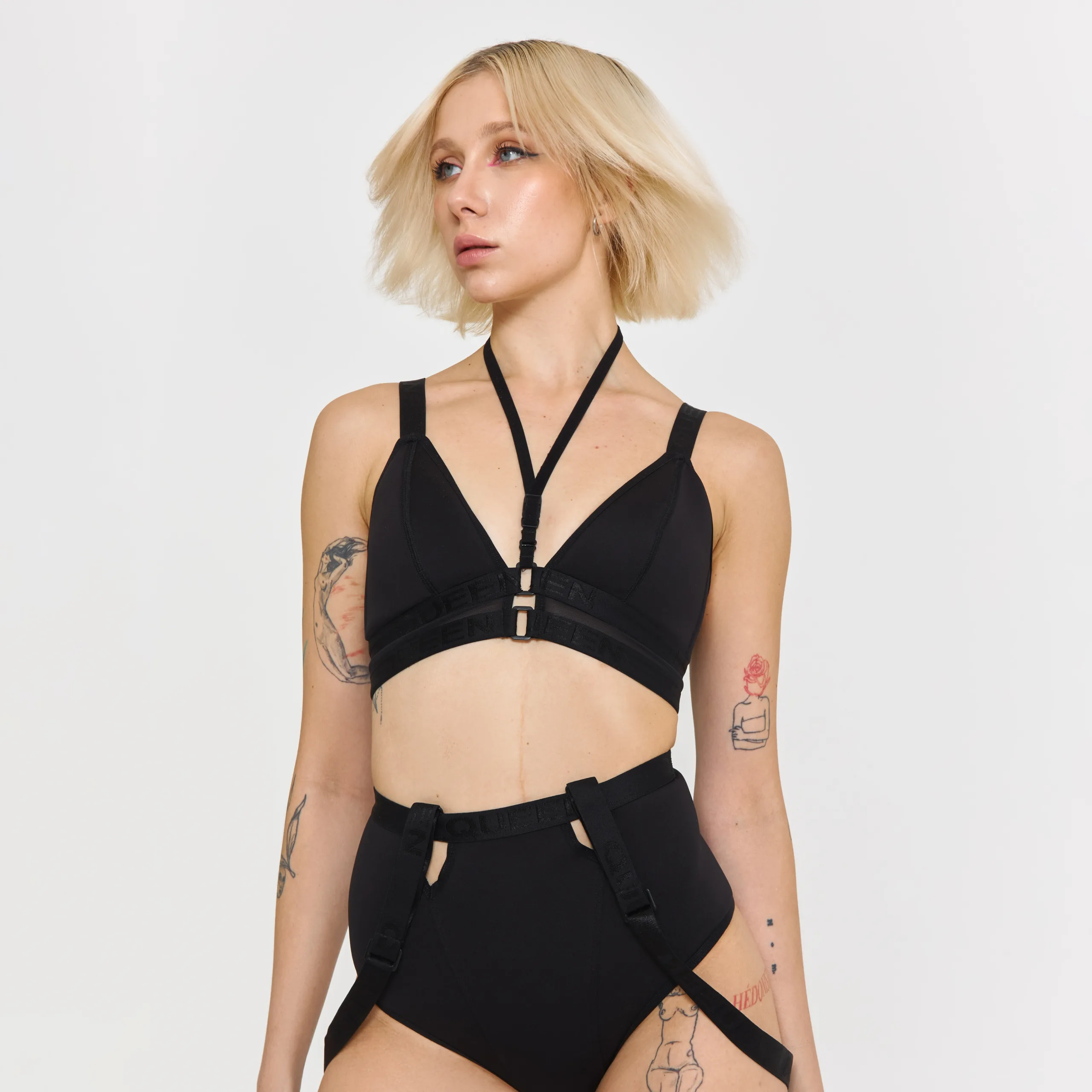
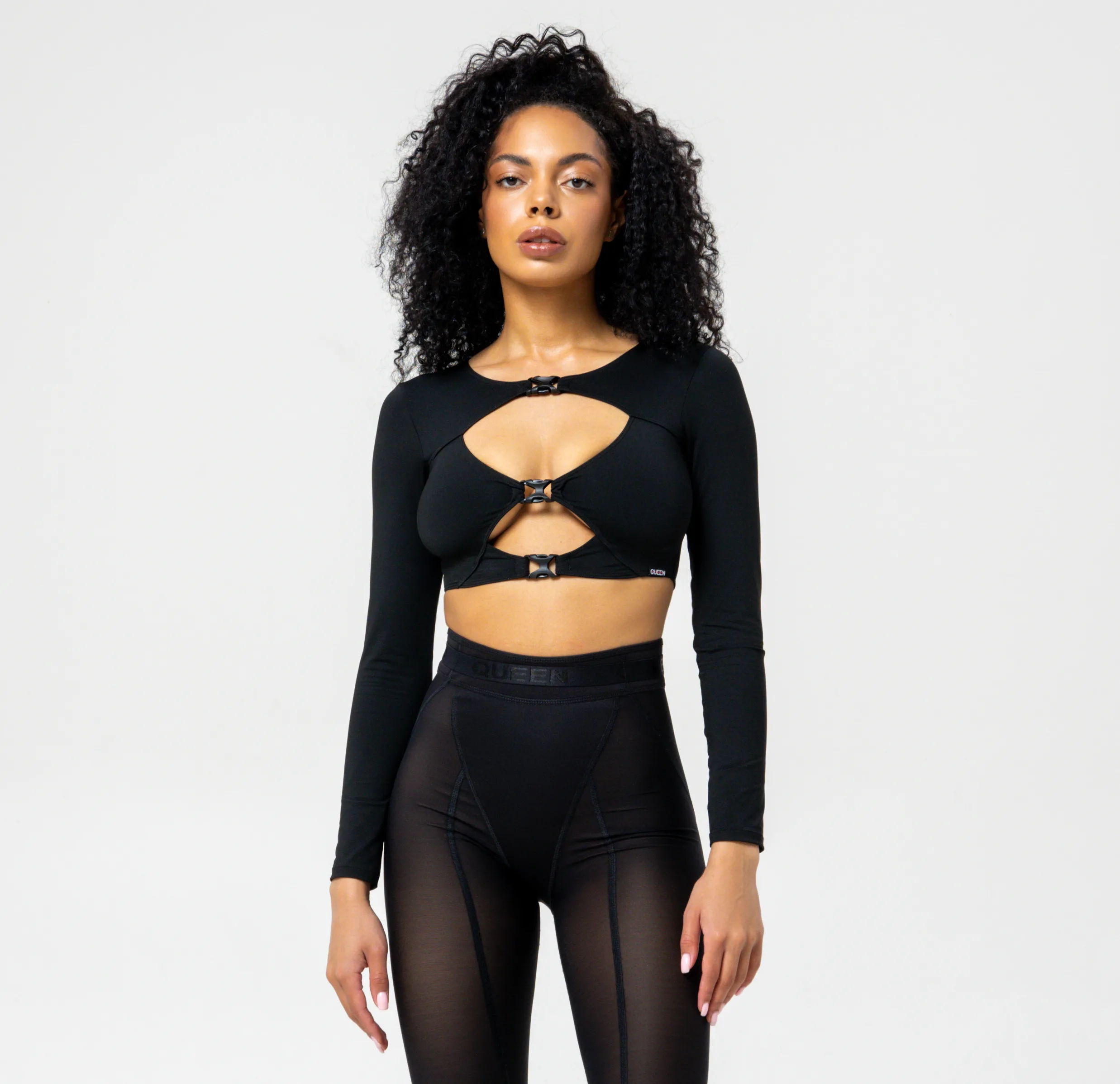
Good options include fitted shorts, leggings, bodysuits and supportive dance tops. Stretchy fabrics are especially useful because they follow your movements without restricting mobility.
Explore Queen Wear’s dance clothing collection for pieces suitable for chair dance, heels choreography and expressive studio training.
Do You Need Heels?
High heels are optional, particularly for beginners.
You can start barefoot or in suitable flat dance shoes while learning the choreography. Once you feel comfortable with your balance and transitions, you may introduce dance heels if they are appropriate for your class.
If you choose heels, practice on a suitable surface and avoid using them for unfamiliar movements before developing sufficient control.
5 Basic Chair Dance Moves for Beginners
These beginner-friendly movements can become the foundation of a simple chair dance routine.
1. Seated Body Wave
Sit near the front of the chair with your feet firmly on the floor and your spine comfortably extended.
Begin by gently lifting your chest, then allow the movement to travel through your torso as you return to a neutral position. Keep the motion slow and controlled.
Focus on creating a smooth wave rather than making the movement as large as possible.
Beginner tip: Practice in front of a mirror to understand how your chest, shoulders and torso move together.
2. Slow Leg Extension
Sit upright with both feet on the floor.
Slowly extend one leg forward, pointing your toes if comfortable. Hold the position briefly, then lower the foot with control.
Repeat on the other side.
This movement helps create elegant leg lines while developing control through the hips and core.
Beginner tip: Keep your movements within a comfortable range and avoid locking your knees.
3. Seated Hip Circles
Sit securely on the chair with your feet apart and firmly planted on the floor.
Gently shift your weight to create small circular movements through your hips. Begin slowly, keeping your upper body relaxed and your movements controlled.
Change direction after a few repetitions.
Beginner tip: Start with small circles before experimenting with a larger range of motion.
4. Walk Around the Chair
Stand beside the chair and begin walking slowly around it.
Use deliberate steps, maintain good posture and coordinate your movements with the rhythm of the music.
You can add a gentle turn, an arm extension or a pause with one hand lightly touching the chair.
Beginner tip: Focus on smooth transitions rather than speed. Every step can be part of the choreography.
5. Chair-Supported Pose
Stand beside or behind a stable chair and lightly place one hand on the backrest for orientation.
Shift your weight onto one leg while extending the other slightly to the side or behind you. Add a gentle arm movement or turn your head to complete the pose.
Keep your weight supported by your legs rather than leaning heavily against the chair.
Beginner tip: Hold each pose for a few seconds to develop balance and awareness of your body position.
Easy Chair Dance Choreography: Your First Routine
Once you feel comfortable with the basic movements, try combining them into a short sequence.
Choose a song with a slow or moderate tempo and practice this beginner routine:
| Counts | Movement |
| 1–2 | Sit upright and perform a gentle body wave |
| 3–4 | Slowly extend one leg and return it to the floor |
| 5–6 | Create a small seated hip circle |
| 7–8 | Pause in an expressive seated pose |
| 1–4 | Stand up slowly and walk around the chair |
| 5–8 | Finish with a controlled standing pose beside the chair |
Repeat the sequence until the transitions feel natural.
You can gradually add arm movements, head turns and changes in tempo. The goal is not to perform everything perfectly but to develop a smooth connection between movements.
Chair Dance vs Lap Dance: What’s the Difference?
Chair dance and lap dance share some movement vocabulary, but they are not the same.
Chair dance uses the chair as a prop for individual choreography. The focus is on movement technique, musicality, performance and self-expression.
Lap dance usually involves dancing in close proximity to another person, often as part of an intimate or entertainment-focused performance.
Some chair dance classes may introduce lap dance-inspired movements, but learning chair dance does not require a partner. Beginners can practice independently and focus entirely on their technique.
How to Make Chair Dance Movements Look More Fluid
Sensual movement is not necessarily about performing complicated choreography. Small details can make simple movements feel more expressive.
Slow down. Give yourself enough time to complete each movement instead of rushing between positions.
Use your arms. Gentle arm extensions and controlled hand movements can make a basic pose more expressive.
Follow the music. Listen for changes in rhythm and experiment with pauses, accents and slower transitions.
Control your posture. Keep your shoulders relaxed, engage your core and avoid unnecessary tension.
Practice transitions. Moving smoothly from sitting to standing is just as important as the individual poses.
Filming a short practice session can also help you notice how your movements look and identify areas for improvement.
Common Chair Dance Mistakes to Avoid
Beginners sometimes focus too much on appearance and forget about stability or technique.
The most common mistakes include:
- Choosing a chair that moves or feels unstable.
- Attempting advanced poses too early.
- Rushing through transitions.
- Using excessive force during body waves.
- Wearing uncomfortable heels before developing balance.
- Forgetting to warm up before dancing.
- Comparing your progress with experienced dancers.
Start with a short warm-up for your shoulders, hips and legs. If a movement causes pain or makes you feel unstable, stop and modify it.
What to Wear for Chair Dance Classes
The best chair dance outfit combines comfort, flexibility and personal style.
For beginner classes, fitted leggings and a supportive top are a practical choice. Shorts and bodysuits are also suitable if you prefer a more expressive dance look.
If you practice floor work as part of your choreography, consider knee pads for additional protection.
Choose breathable, stretchy materials and avoid loose accessories that might catch on the chair.
Queen Wear offers clothing for dance classes that allows you to create comfortable outfits for chair choreography, heels dance and other movement-based classes.
Final Thoughts: Start Your Chair Dance Journey
Chair dance for beginners is an opportunity to improve coordination, develop body awareness and explore movement through music.
Start with a stable chair, comfortable clothes and a few simple movements. Practice seated body waves, leg extensions and standing transitions before connecting them into a complete routine.
You don’t need advanced flexibility or previous dance experience to enjoy chair dance. Consistent practice, patience and attention to technique are much more important.
Most importantly, allow yourself to experiment. Chair dance is about discovering how you enjoy moving and developing your own expressive style.




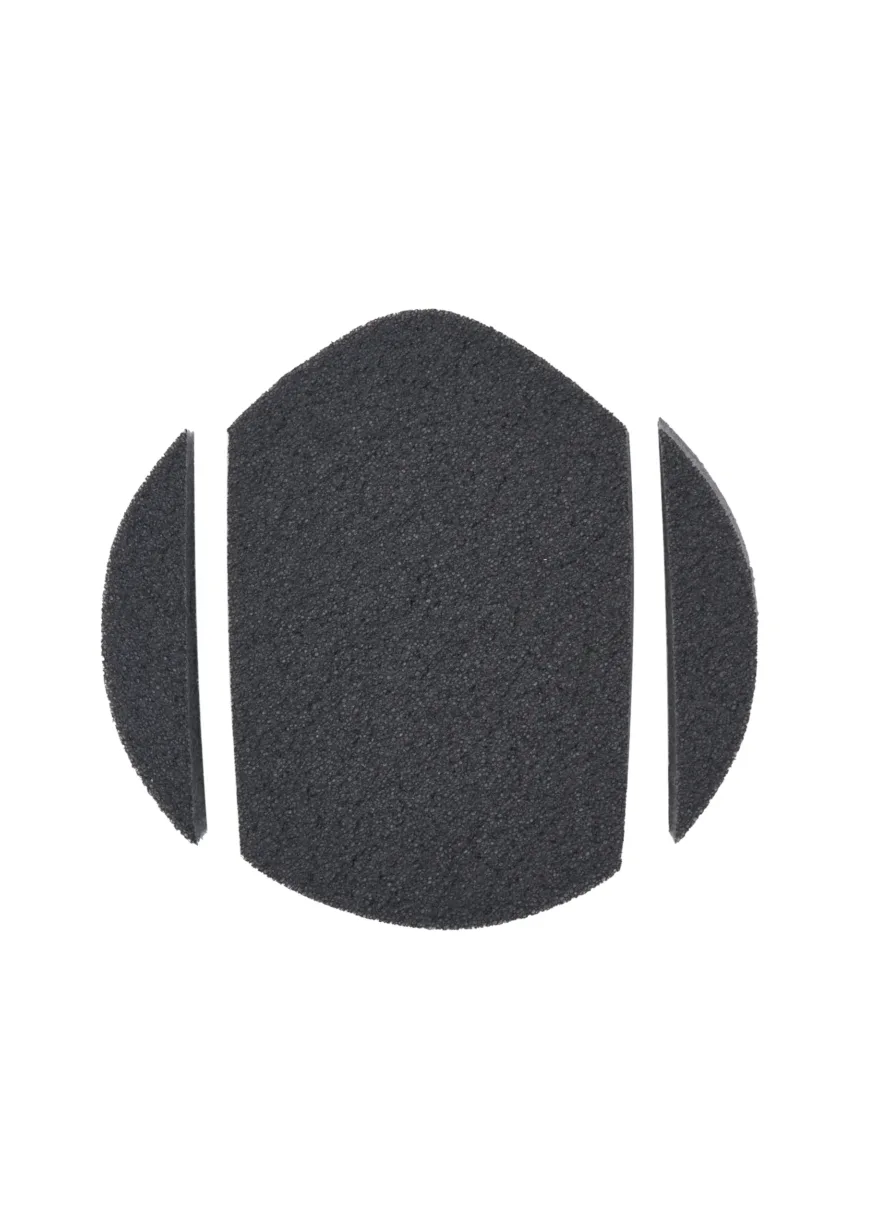 Changeable pads for Knee Pads
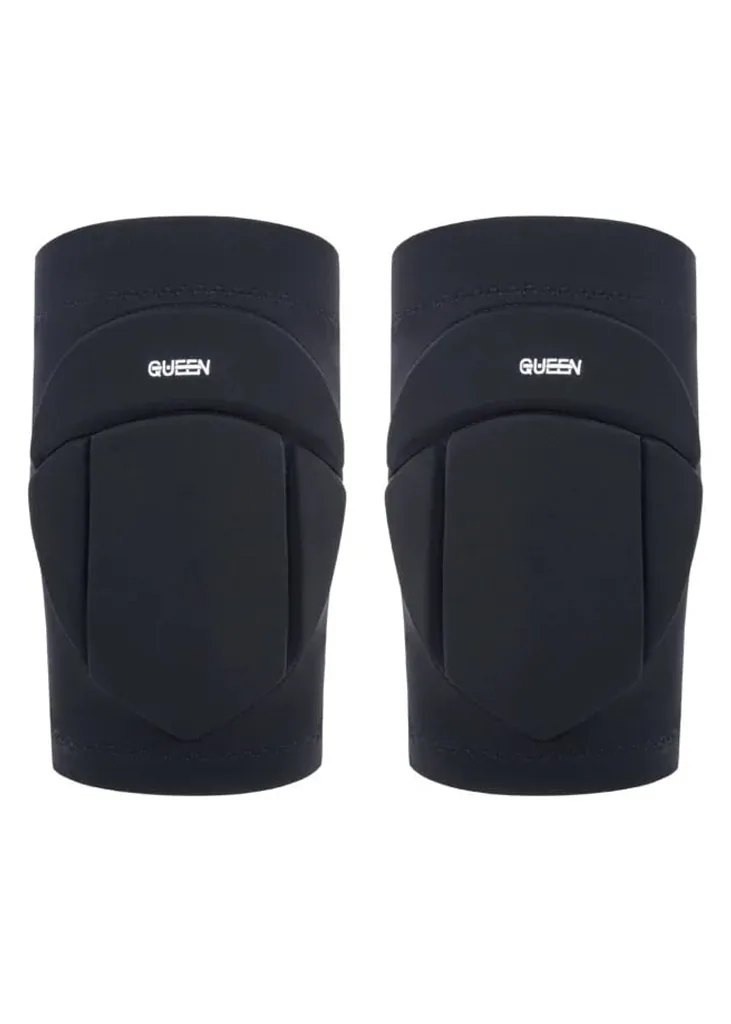 PRO 5 SOFT TOUCH
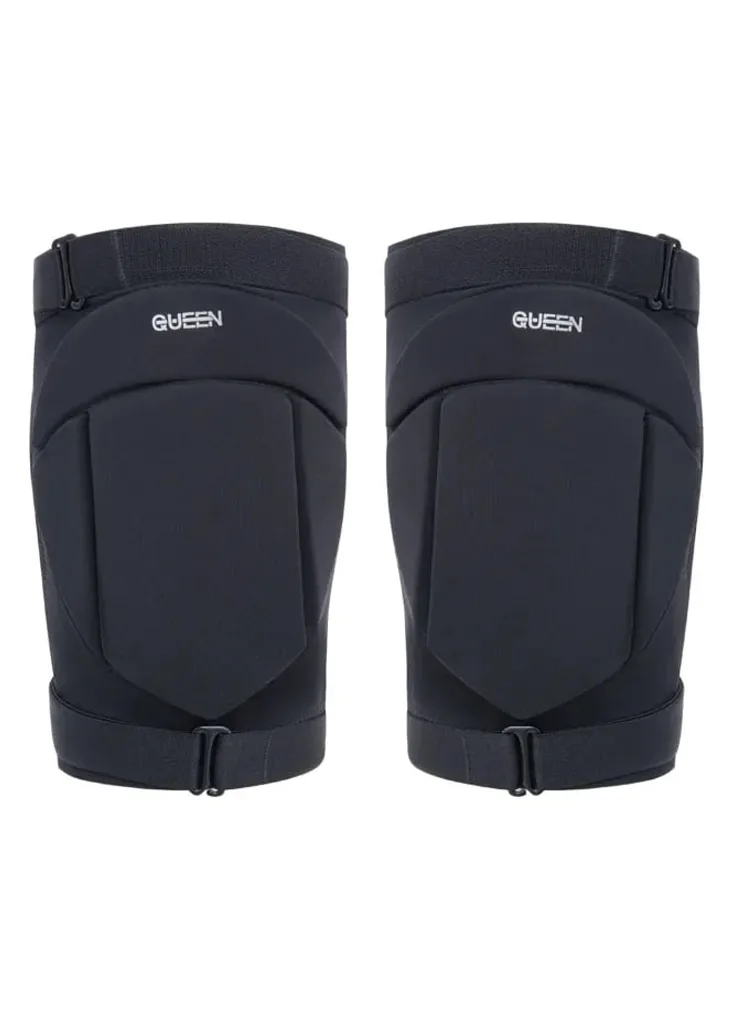 PRO 5 EASY TOUCH
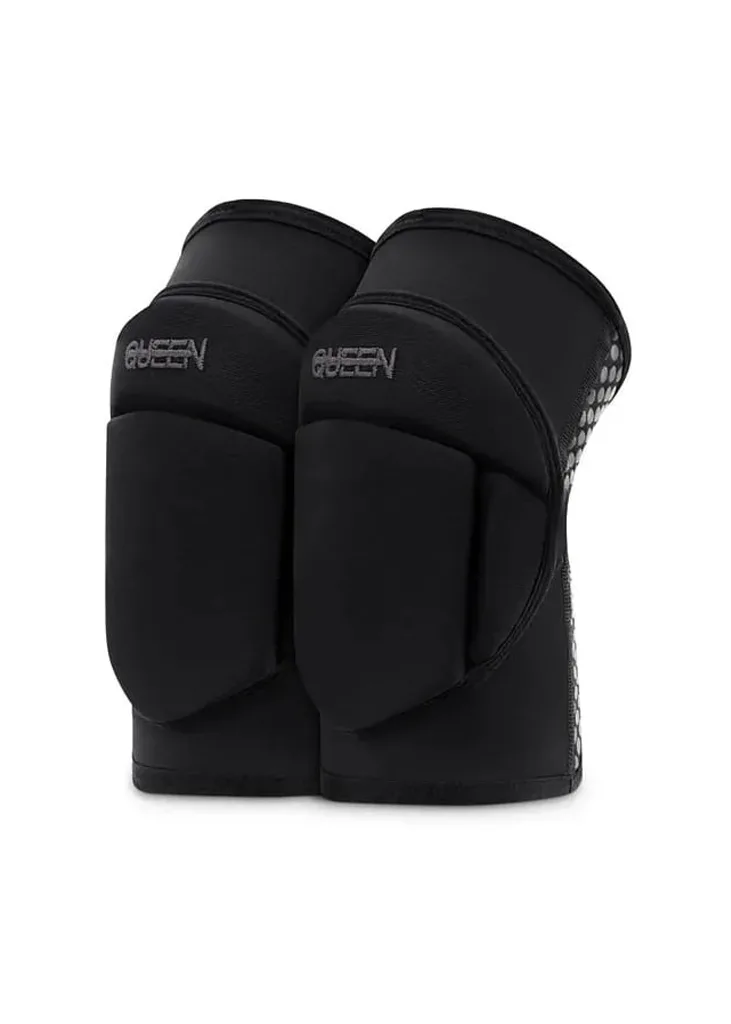 PRO 4
 DODO
 DODO
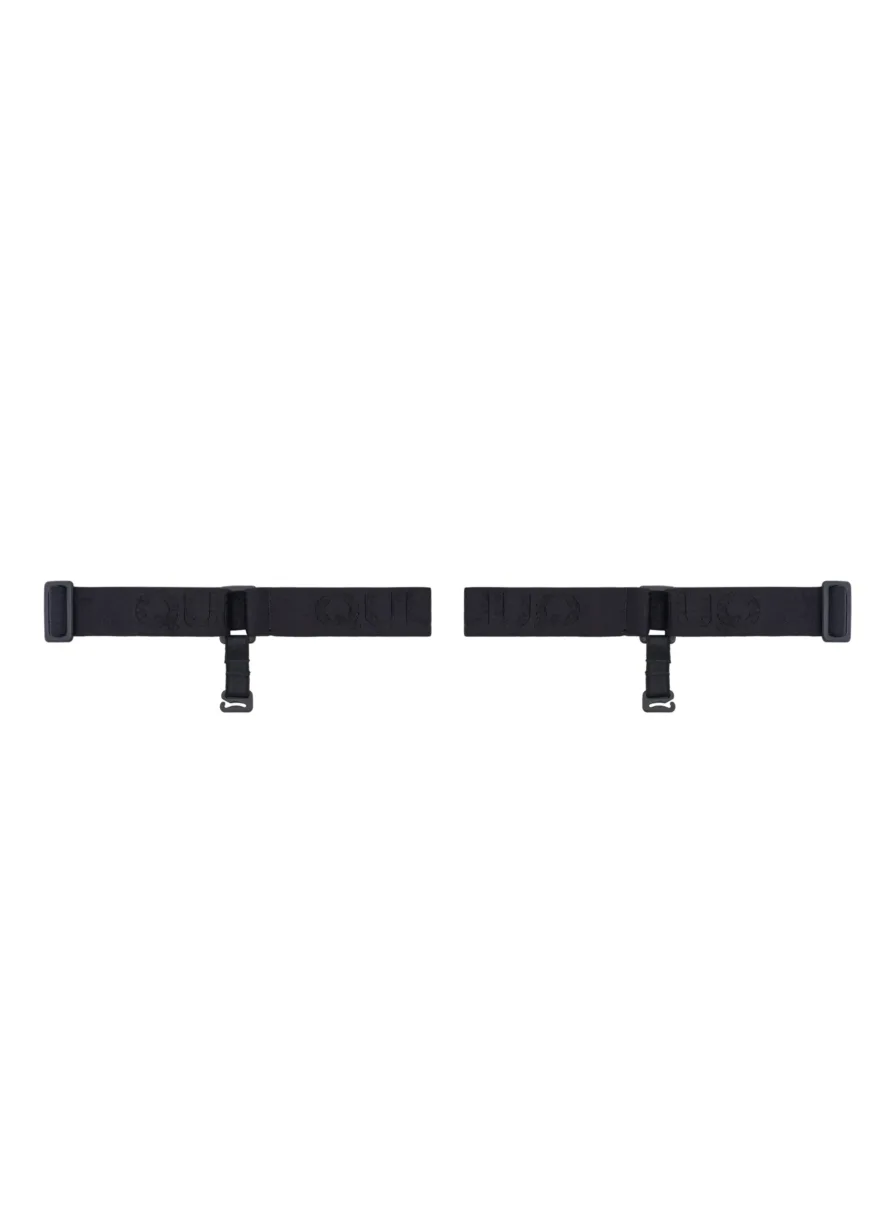 Removable Garters for Knee Pads
 Changeable pads for Knee Pads of Models 4