




 UA
UA  PL
PL Capsule Wardrobe for Pole Dance: Essentials for Beginners

Starting pole doesn’t require a total closet overhaul. A smart, compact capsule gives you exactly what you need for basics, conditioning, spins, transitions, and first choreographies — while helping you feel confident both in front of the mirror and on the pole. Here you’ll find our advice on what belongs in a starter set, how each piece supports technique and safety, and how to combine items into looks that evolve with your training. Every recommendation is grounded in studio and stage practice, with an emphasis on high-grip fabrics, reliable construction, and silhouettes that flatter different body types. If you want to browse cuts and fabrics in parallel, check the current collection that all examples below reference.
Why a Capsule Beats a Drawer of Impulse Buys
A real pole capsule solves three problems at once. First, it guarantees skin access where you need grip, so you aren’t adjusting your movement to your outfit while learning contact points on the inner thigh, side body, or underarm. Second, it simplifies pre-class decisions, cutting stress and lateness — crucial if you train on workdays. Third, it protects your budget by focusing on durable pieces that work for warm-ups and choreography alike. Schedules and trends change, but a capsule stays steady because every item is chosen for function.
The Productivity Rule Behind Every Purchase
Each item should answer: what area of my skin does it free for grip? If a piece doesn’t “connect” to at least one contact group — shoulder, side line, waist, hip crease, back of knee, ankle — it doesn’t belong in a starter capsule. This isn’t anti-fashion; it means the base is technique-first. The bonus is that technical pieces look striking when thoughtfully cut.
“Beginners progress faster when their outfit decisions are consistent,” says an instructor.
Base Number One: A Reliable Short Unitard
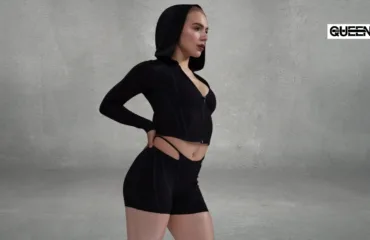
The most versatile starter piece is a short unitard with considered cutouts. It solves comfort during warm-up, avoids waistband twisting, and removes the risk of “top + bottom incompatibility.” The best beginner unitard opens the shoulders and mid-back for underarm and back contacts, leaves thighs free for climbs, and still feels comfortable through sweat and stretches. A high neckline or mock-neck stabilizes the silhouette so nothing shifts during spins.
In the catalog you’ll find a short unitard with an open back that guarantees training comfort. The back cutout frees a contact zone for holds, while the front stays secure thanks to the higher neck. Leg length hits a bit above mid-thigh — enough to resist riding up but open for climbs. You can view it here.
Fit Details That Matter on Day One
A unitard should hug the torso without pressing on the shoulders. When you raise your arm overhead, the neckline should lie flat, not arc. In a squat, the center seam shouldn’t strain. If you’re between sizes, choose smaller only if the fabric has proven multi-directional stretch and resilient recovery. Quality material feels like a second skin after a few minutes of movement.
Why Open Backs and Side Panels Are Function, Not Decoration
An open back isn’t just style. In beginner drills, the shoulder-blade area often acts as a contact; cutouts free space for friction and help cooling. Semi-sheer side inserts or mesh work like “vent channels” along the ribs — where heat builds fastest — and create tactile checkpoints you can feel while rotating around the pole.
Precision in Motion: The Edge of Detachable Sleeves
Your capsule becomes far more flexible when you add sleeves that come off easily. Early classes may call for an elongated line and warm arms for choreography. But for climbs, shoulder rolls, or bracket contacts, exposed skin is mandatory. Detachable sleeves give you both in seconds.
Two popular options are available in the catalog. One secures with an asymmetric strap across the chest, creating a graphic diagonal and keeping the sleeve steady during spins. The other has a clean one-side attachment with minimalist hardware near the collarbone. Both cover forearm and elbow for warmth; when you need a clean shoulder contact, they come off instantly. Pair them with a unitard or separates.
How to Choose the Right Sleeve Construction
Look for bonded edges that won’t curl under load and a soft opening at the bicep that doesn’t slip or scratch. The most effective sleeves are made from the same high-recovery knit as the main pieces — color and elasticity then match. If your studio runs cool, pick full length; in heat, three-quarter length balances aesthetics and temperature.
Beginners often underestimate how often they need clean underarm contact. Quick-release sleeves prevent the habit of compensating with wrists or over-gripping. The safest look is the one that adapts to the task fast.
Statement + Support: High-Neck Mesh Bodysuit
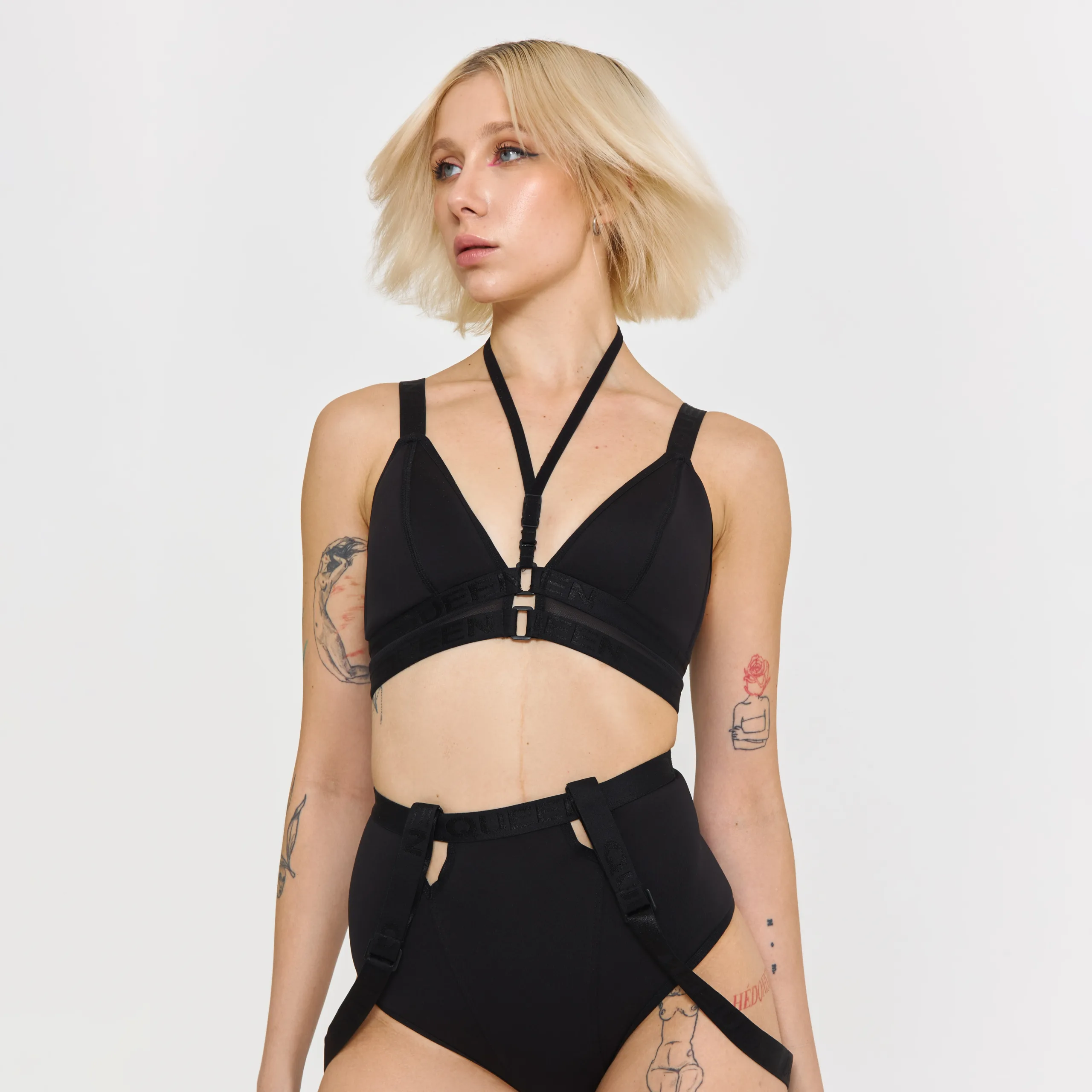
If you like the illusion of a two-piece but want the security of a unitard, a high-neck bodysuit with strategic mesh is a capsule hero. The mock neck keeps a refined line, mesh panels breathe, and the leg cut visually lengthens without sacrificing stability. One style in the catalog uses a central semi-sheer motif that elongates the torso while everything stays locked in — a fit for those who love dramatic lines that move with the body.
Why a High Neck Helps Beginners
Early spins and inversions can shift low necklines. A higher neck removes the need for constant readjustment.
Color Strategy: The Case for Monochrome
Black and white dominate pro wardrobes for a reason. Black absorbs stage light and hides small contact marks, helping beginners feel composed when drills get more intense. White turns every line into clean geometry — great for video self-review. Rotating dark and light sets multiplies combinations without adding pieces, and both tones pair easily with chrome poles and neutral studios.
How to Keep Light Tones Pristine
Choose double layers where opacity is critical. If your capsule includes a white unitard or bodysuit, wash it right after class in cool water with a delicate detergent and dry flat. Avoid fabric softeners — they coat fibers and reduce grip. We provide a care guide; follow it like a technical spec — our pieces are engineered to last longer with proper care.
Training Trajectory: What to Wear as You Progress
In month one, focus on confidence and skin access. An open-back short unitard or a high-neck bodysuit gives that balance. As sits and climbs enter the plan, detachable sleeves come into play: switch between choreography and technique without changing. By month three, most people want a second base piece for rotation and laundry gaps.
From Conditioning to Choreography
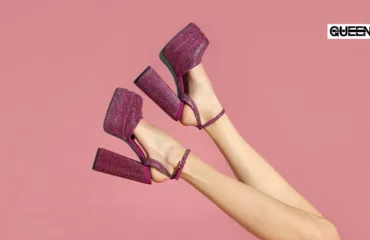
Many classes end with a short combo. Instead of a full change — adapt your base. Use sleeves for an elongated line. Add simple, ankle-safe heels if your studio allows them at beginner level. Tie hair in a bun or low pony so it doesn’t catch on hardware.
How to Stay Modest Without Losing Function
If you want more coverage, layer smart. A light bolero or warm-up zip works during warm-up. For bottoms, shorts over a unitard help floorwork comfort while leaving grip zones open. Key point — avoid bulk at the waist and underarms. Fewer seams are not just aesthetic; they prevent chafing and preserve range.
Sizing That Adds Confidence
The right size isn’t “squeezing into the smallest,” it’s about stable contact and breathing. Too tight will shift under load; too loose will twist and chafe. Measure bust, waist, and hips with a tape. Check the size chart and base your choice on the largest measure. If your torso is long, look for unitards with extra torso length. If in doubt, message the shop with your measurements — our managers often nail the fit on the first try. Start here if you need help or want to review cut options.
How “Second Skin” Should Feel
In the first minute after pulling on over the shoulders, technical knit should feel snug but breathable — like gentle compression, not pressure. After two to three minutes of warm-up, it “disappears.” If you still feel pressure at the neckline, armhole, or inner thigh — this cut isn’t for you.
Care Rituals That Extend Capsule Life
Treat pole wear like equipment and it lasts longer. Rinse pieces in cool water as soon as you get home. Use liquid detergent for synthetics — no softeners or bleach. Turn items inside out, place in a wash bag, and use a delicate cycle. Dry flat, away from direct sun. If there’s hardware, fasten it before washing so edges don’t snag. Carry your kit in a breathable bag so moisture can evaporate between sessions.
Building Looks Without Inflating Your Closet
With two base pieces and a pair of detachable sleeves, you create plenty of silhouettes. Black sleeves with white make a standout look; white sleeves on black read clean and polished; sleeveless with an open back gives maximum comfort and mobility. Jewelry is appropriate only if studio rules allow and only pieces that won’t snag; save the rest for shoots.
For those who love fashion accents, a mock-neck bodysuit with a central mesh can double as an evening top under a blazer post-class. Because the collection’s fabrics lean “lux-performance,” you can style them beyond the studio.
Safety First: What Beginners Should Skip
Avoid cotton leggings, non-removable long sleeves, slippery tights, and anything with loose ties or dangling hardware. Oils and heavy lotions compromise grip — plan your skincare around training. Test a new piece at home on a basic spin: armholes, neckline, and leg openings shouldn’t shift anywhere. If you practice in heels, make sure garments don’t cover the ankle: the foot needs free range and clear surface feedback.
Budget Without Pain: Start Small, Buy Right, Rotate Smart
A considered starter investment is two base pieces plus one set of detachable sleeves. Choose one dark and one light. Train in both equally so they “break in” evenly. If you shoot content or perform, designate one element as the “fresh” show piece and the other for daily training.
When to Add Specialized Pieces
Add knee protection as soon as floorwork with knee loading appears in your program. Consider a long sleeve for winter warm-ups if the studio runs cool. If you’re moving into heels choreography, consult your coach before buying: many studios specify heel height and base. Once you have shoes, try base pieces on with them at home, checking cuts with a pointed foot and deep pliés.
Sustainability and Ethics of Your Pieces
Buying less but better isn’t only smart training — it’s better for the planet. Quality performance knits resist pilling and hold shape, so they live longer in your wardrobe. If your tastes change, neutrals resell easily or make great gifts. Care without overheating or harsh chemicals lowers your footprint. When a piece does retire from studio use, keep it for shoots a little longer.
Q&A
What should I buy first?
A short unitard with an open back is the best first purchase. It gives coverage, stability, and instant access to key grip zones without matching separate top and bottom.
Do beginners need long sleeves?
Not permanently, but detachable ones are very useful. They add warmth and a finished line for choreography, then come off in seconds when you need shoulder or underarm contact.
Can I train in white if I sweat a lot?
Yes — if the piece has lining where opacity matters and uses high-quality, solution-dyed knits. Wash right after class in cool water and avoid softeners to preserve density and shape.
How tight should pole wear fit?
Snug but not restrictive. After a brief warm-up the fabric should “disappear,” with no gaping at armholes or neckline and no digging at the inner thigh. If it presses at the throat or shoulders, try a different size or cut.
Are mesh panels safe for beginners?
Yes — if well engineered. Look for mesh with high elastane content, good recovery, and bonded edges. They improve ventilation and provide tactile feedback along the ribs.
What colors are most practical for a first capsule?
Black “forgives” contact drills. White or other light tones highlight lines on video. With one dark and one light set, you multiply combinations without adding pieces.
How many looks do I need for weekly classes?
Two base pieces plus one set of detachable sleeves suit most beginners training two to three times a week. Add a third base for performances or to ease laundry cycles.
Where can I find the silhouettes described?
All examples in the article come from the current collection. Browse, compare fabrics, and check size guides in the official catalog: visit the store.