




 UA
UA  PL
PL What Is Pole Dancing? Essential Things Everyone Should Know
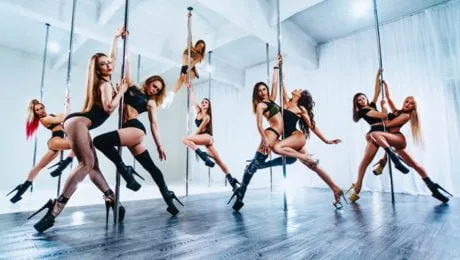
Pole dancing has evolved dramatically from its roots, transforming into a respected art form, fitness regime, and competitive sport. But what is pole dancing exactly, and why is it often misunderstood? This guide explores everything you need to know about pole dance, from its history to its benefits and common misconceptions. With its combination of physical challenge and artistic expression, pole dancing continues to captivate people worldwide.
The Definition of Pole Dancing
Pole dancing is a performance art and fitness discipline that combines dance, acrobatics, and strength training around a vertical pole. Often associated with nightclubs, modern pole dancing has transcended this stereotype, becoming a popular form of exercise and artistic expression.
The pole dance movement involves intricate spins, climbs, inversions, and floorwork, requiring strength and flexibility. Pole dancing is recognized for its physical and mental health benefits, promoting self-confidence and empowerment. It’s not just about fitness—pole dancing celebrates creativity and individuality.
The Origins and History of Pole Dancing
Pole dancing has a rich history, with roots that date back centuries:
Traditional Practices: The origins of pole dancing can be traced to ancient forms of acrobatics and fitness. Mallakhamb, an Indian sport, uses a wooden pole to perform athletic maneuvers. Similarly, the traditional Chinese pole, used in circuses, showcases incredible strength and skill.
Exotic Dance Influence: In the early 20th century, pole dancing was popularized in Western cultures as a performance art in clubs and circuses. It was seen as both an entertainment and an art form.
Modern Evolution: By the late 1990s, pole dance emerged as a fitness trend, shedding its taboo reputation and entering gyms, studios, and competitive arenas. Organizations like the International Pole Sports Federation have worked to establish it as a legitimate sport.
Understanding the history of pole dance helps dispel misconceptions and highlights its evolution as a legitimate art and sport, connecting the past with the present.
The Main Styles of Pole Dance
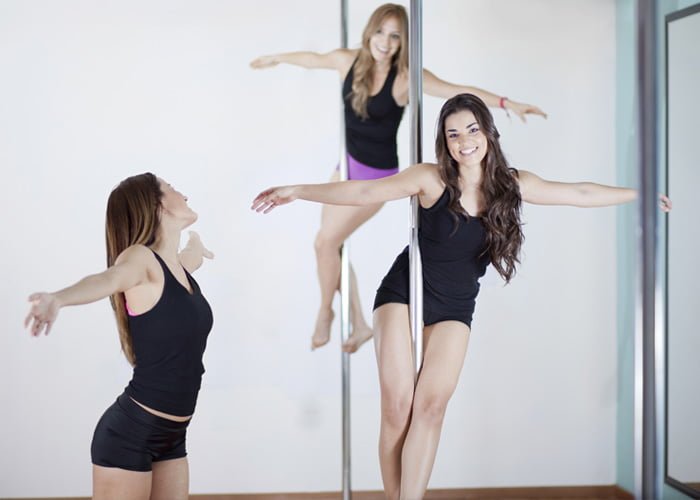
Modern pole dancing encompasses a variety of styles, each with its unique focus:
Pole Fitness
Pole fitness prioritizes strength, endurance, and flexibility. Classes focus on building core and upper-body strength through spins, climbs, and static poses. It’s a full-body workout that improves overall physical fitness. This style appeals to those looking for a dynamic and challenging exercise routine.
Exotic Pole Dance
Exotic pole dance combines sensual movements with dynamic tricks. It often includes high heels and floorwork, emphasizing fluidity and choreography. This style celebrates confidence and sensuality, encouraging dancers to embrace individuality and express emotions.
Pole Acrobatics
Pole acrobatics focuses on athleticism and gravity-defying tricks. Performers showcase intricate moves, such as aerial flips and advanced holds, making it one of the most physically demanding styles. It’s perfect for those who enjoy pushing physical boundaries and performing breathtaking feats.
Classique Pole Dance
Classique pole dance blends elegance and sensuality, often performed to slow, melodic music. Graceful movements and storytelling through dance characterize it. This style allows performers to connect with their audience on an emotional level.
Sport Pole Dance
Recognized as a competitive discipline, sport pole dance emphasizes technical precision, strength, and creativity. Competitions often have strict rules and scoring systems, requiring participants to demonstrate high skill and artistry.
Benefits of Pole Dancing
Engaging in pole dancing offers numerous advantages:
- Physical Fitness: Pole dancing strengthens muscles, improves flexibility, and boosts cardiovascular health. It’s a fun way to stay active and achieve fitness goals.
- Mental Health: The activity promotes body positivity, reduces stress, and builds self-esteem. Many participants find it empowering to challenge themselves and achieve milestones.
- Community Building: Pole dance studios foster a sense of belonging and support among participants. It’s a welcoming environment where people of all backgrounds can connect.
- Creative Outlet: Combining movement and music allows for personal expression and creativity. Each dancer can tell their own story through their routines.
The benefits of pole dancing go beyond physical improvements, making it a transformative experience for many. It’s not just exercise; it’s a lifestyle.
For Everyone or the Special?
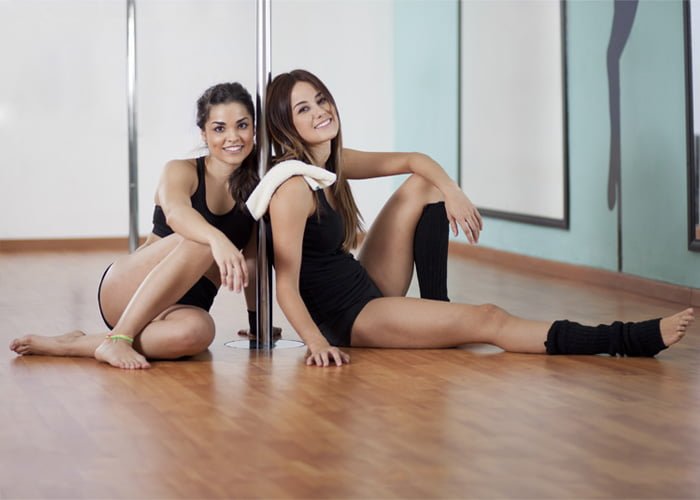
Pole dancing is not limited to a specific group of people. Whether you’re a fitness enthusiast, performer, or simply curious, pole dance welcomes everyone regardless of age, gender, or fitness level. Many beginners often ask, “Is pole dancing hard?” While it poses challenges, the progressive nature of the training makes it accessible to all.
Pole dancing is inclusive and adaptable, with classes designed for various skill levels. Its accessibility proves that it truly is for everyone who wishes to try.
Men on a Pole
Although pole dancing is often associated with women, men have significantly contributed to the art. Male performers usually emphasize strength-based tricks and acrobatics, showcasing their unique style. Men’s participation in pole dance highlights its versatility and universal appeal.
Prominent male pole dancers continue to break stereotypes, demonstrating that pole dancing is a discipline for anyone passionate about movement and artistry.
Essential Equipment for Pole Dancing
To get started with pole dancing, you’ll need:
- Pole: A sturdy, professional-grade pole for home or studio use. Options include static and spinning poles, depending on your goals.
- Grip Products: Chalk or grip aids help reduce slipping. These products ensure safety and enhance your performance.
- Apparel: Fitted clothing to maximize skin contact with the pole. Skin provides grip, so wearing shorts and tank tops is recommended.
- Mats: Safety mats for practicing advanced tricks. These mats cushion falls and boosts confidence while trying new moves.
Investing in quality equipment ensures safety and enhances your training experience. Proper preparation makes all the difference.
Here are some more interesting facts about a Pole Dance:
The duration of a beginner’s workout is usually 60 to 80 minutes. More experienced athletes increase this time to 90 minutes.
The oldest professional Paul Dance dancer in the world today is Dai Dali, who is 73 years old.
Difficulties in the development of PD, such as fighting stereotypes, including the one that many people consider pole dancing to be a “striptease,” unite pole dancers all over the world. This unique closeness between pole dancers creates a kind of transnational PD community.
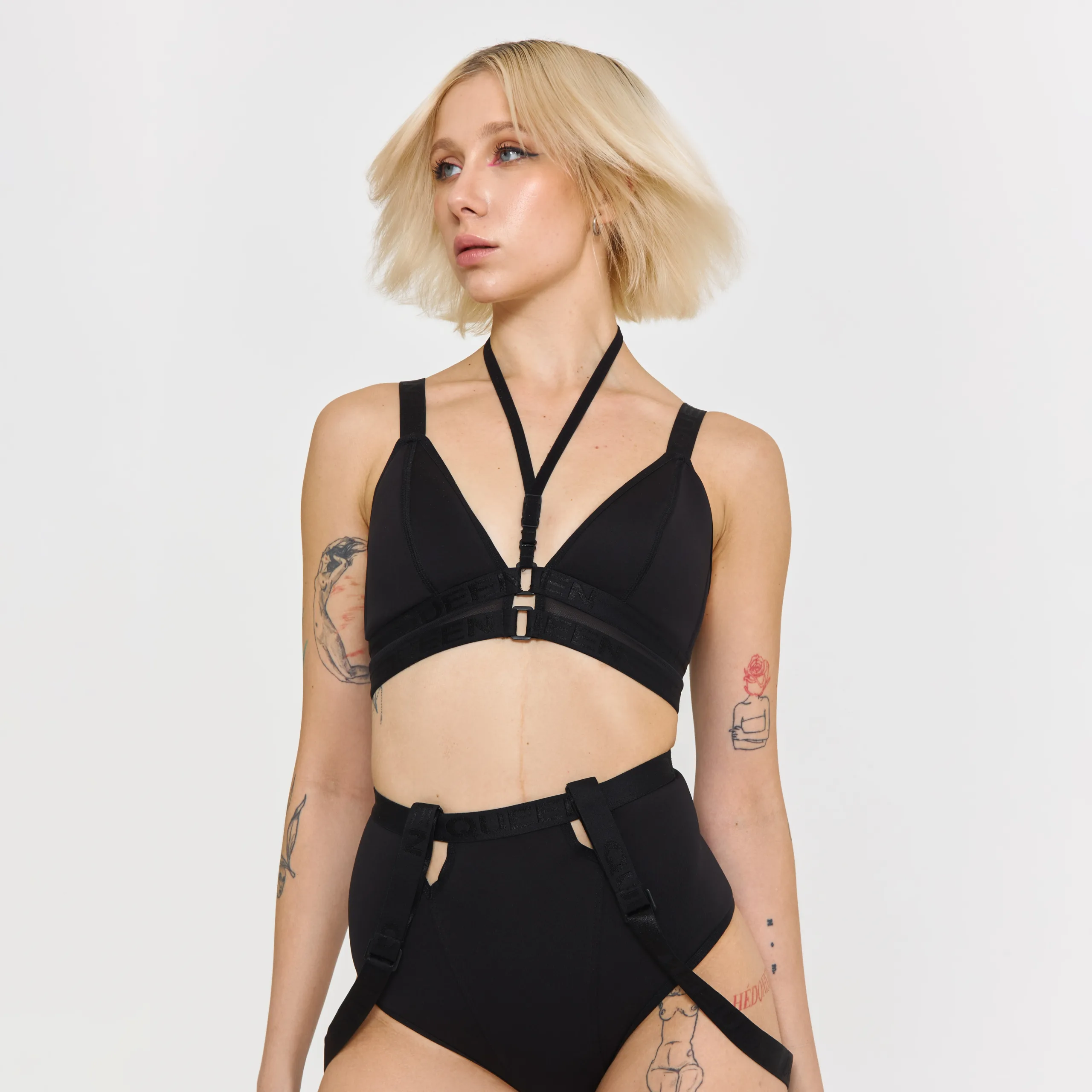
Pole dancers choose an open shape, a sports bra, and panties to ensure the grip of the body with the pole. This is necessary for most of the tricks.
The first International Pole Dance Championship was held not so long ago, in 2008, in Manila (Philippines). It was organized by the International Pole Dance and Fitness Association (IPDFA). In the first championship, the participants fought in Pole Sport and Pole Art. In 2010, a new category for performers with disabilities was opened, inspired by a participant of the 2009 International Championship with visual impairments, Marie Dunot, from France.
Now let’s dispel the most common stereotypes that prevent you from joining a pole dance right now:
• I have never done any dance or acrobatics before. It’s too late to start at this age.
Trust me, it’s never too late to try something new. But until you try, you don’t know whether it will work. And we are sure – YOU WILL DO GREAT!
Fun fact: The entire QUEEN team attended a pole dance class. Everyone had a different training and physical data level, and they all managed to do something new in the first lesson. We also had a lot of fun.
• I have no stretch / weak arms to do these tricks.
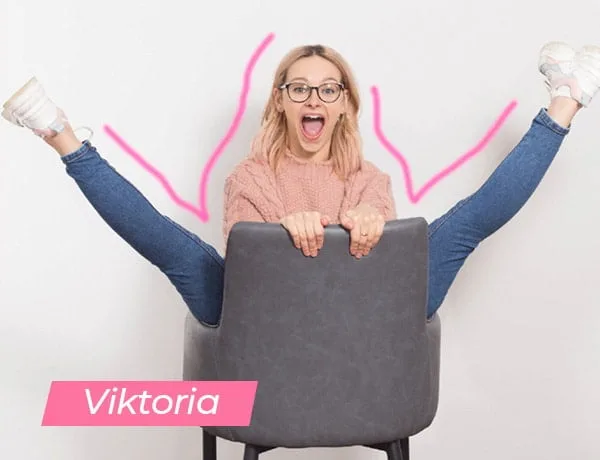
Great, then a pole dance is an ideal activity for you; in training, you will not only learn tricks on the pole but also do physical preparation and stretching. Many who learn pole dancing from scratch significantly improve their stretching and even sit on the split.
• I do not have enough energy for everyday activities; after training, I will be unable to do anything.
Paradoxical, but true. Pole dance classes, as well as many kinds of sports or dance, do not waste your energy, but on the contrary – increase it. This is facilitated by releasing endorphins and dopamine (hormones of happiness and pleasure). Suppose you do not dive deeply into the study of hormones. In that case, the principle is approximately the following: “When you spend energy on something that brings pleasure, the energy is restored quickly and twice more significantly.
• I am afraid of bruising.
Unfortunately, bruising is an almost inevitable effect of a beginner’s pole dance. However, their appearance with each lesson significantly decreases and eventually disappears altogether. If you still feel complex because of bruises, you can start practicing in the autumn-winter period, when we dress in closed clothes. By the beginning of the warm season, bruises from pole dance classes will appear exceptionally rarely.
It was interesting for you to read facts about pole dance and dispel stereotypes. Hopefully, you have been inspired to join pole dance and will soon see your photos from the hottest workouts.
FAQs (Frequently Asked Questions)
- Why is pole dancing so popular?
Pole dancing’s popularity stems from its combination of fitness, creativity, and empowerment. It offers a unique way to exercise while building confidence and fostering community. The rise of social media has also played a role, allowing dancers to share their progress and inspire others.
- Is pole dancing good or bad?
Pole dancing is overwhelmingly positive, promoting physical health, mental well-being, and self-expression. While it may have detractors due to outdated stereotypes, its benefits far outweigh any misconceptions. It’s a powerful tool for personal growth.
- Is pole dancing the same as stripping?
No, pole dancing and stripping are not synonymous. While pole dancing originated in exotic dance, it has evolved into a distinct art form and fitness activity with no inherent connection to stripping. It’s essential to appreciate pole dancing for its diversity and artistic merit.
- Why is pole dancing sexualized?
The question of why is pole dancing sexualized often arises due to its history in exotic clubs. However, the modern pole dance movement has redefined the practice, focusing on athleticism, artistry, and empowerment. Changing perceptions requires education and understanding.
- Can men do pole dancing?
Absolutely. Men have been integral to the evolution of pole dancing, showcasing their unique styles and pushing the boundaries of what’s possible on the pole. Male pole dancers bring a fresh perspective to the discipline, proving it’s for everyone.