




 UA
UA  PL
PL Home Pole Dancing: Setup, Safety & Clothing Tips
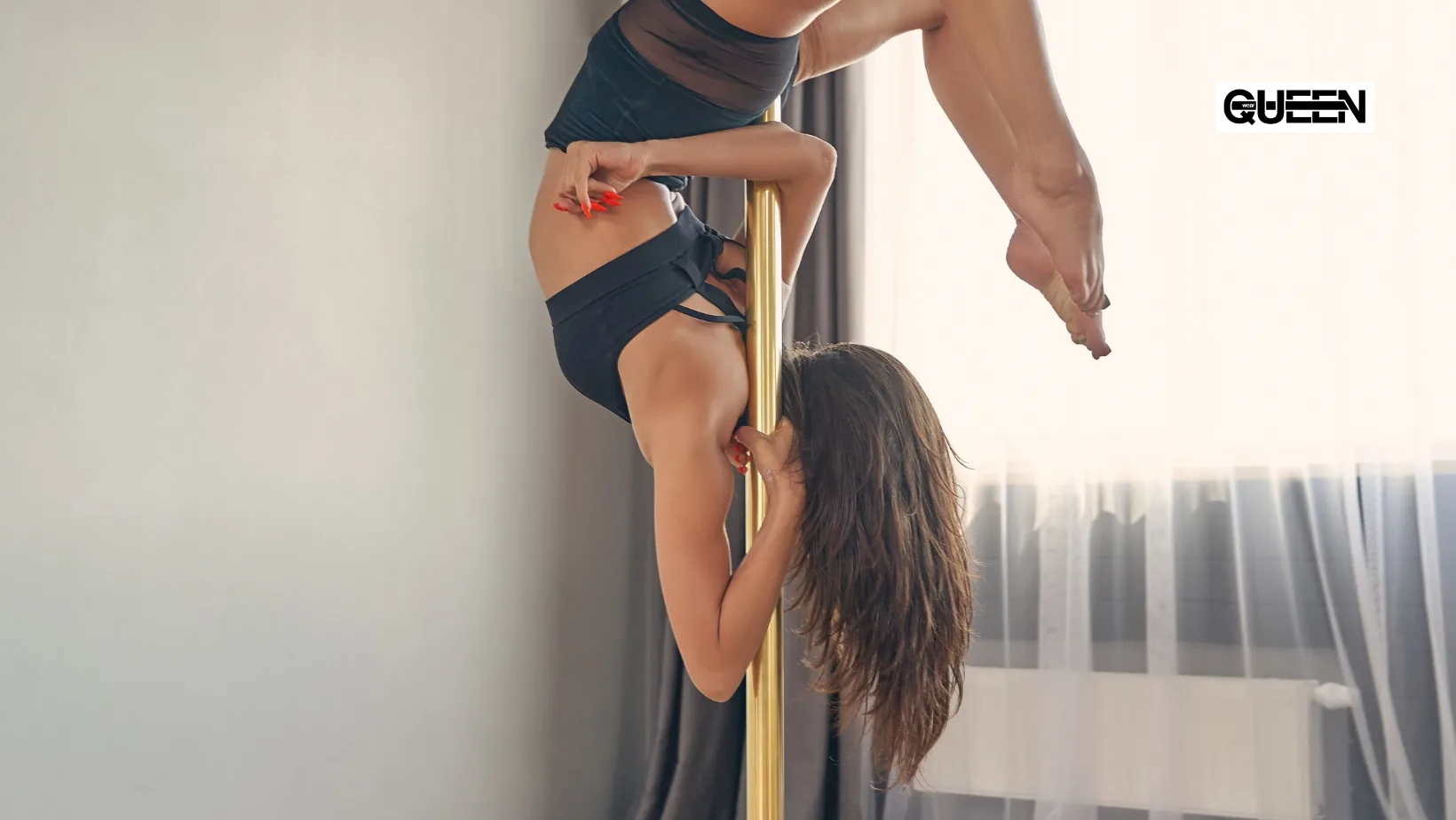
Practicing home pole dancing gives you the freedom to train whenever you want, at your own pace, and in the comfort of your personal space. For many dancers, training at home becomes a powerful way to build consistency, confidence and body awareness.
However, before you begin, it’s important to understand how to set up your pole correctly, how to prepare your environment and what clothing will support safe and enjoyable movement.
This guide walks you through everything you need to know to get started with pole dance for home — safely and confidently.
How to Set Up Your Home Pole
Installing a pole at home may seem complex, but with the right steps, it becomes a simple and safe process. Good preparation ensures that your training space supports your movement, protects your surroundings and helps you progress effectively.
Choosing the Right Spot
Your pole needs a space that allows full freedom of movement. Even beginners use their arms, legs and body in wide arcs, so choosing the right location matters.
Look for an area with:
- open space around you, ideally with at least 2 meters of clearance
- stable flooring, such as hardwood or tiles
- a strong ceiling, suitable for pressure-mounted poles
- good lighting, so you can see your movements clearly
Avoid placing the pole close to furniture edges or anything fragile. The more open the area, the more confident you’ll feel while practicing.
Selecting a Quality Pole
Not all poles are equal, and choosing a durable one will keep you safe.
Look for features like:
- adjustable height
- spin/static mode options
- strong, reliable materials
- a well-reviewed brand
Many beginners choose removable, pressure-mounted poles because they’re easy to install without drilling. They can be taken down in minutes and leave no marks on floors or ceilings.
Testing Stability
Once installed, test your pole thoroughly before training. It should feel completely secure.
Check by:
- gently pushing in different directions
- spinning the pole to ensure smooth rotation
- checking the pressure mechanism
- retightening it after a few sessions
A secure pole allows you to relax, focus on movement and build confidence.
Safety Tips for Home Pole Dancing
Even though home training offers privacy and flexibility, safety should always come first. Unlike in a studio, you’re responsible for creating a safe environment.
Use Mats When Needed
If you practice spins, sits or transitions, a soft mat is a great addition. It reduces the impact of small falls and gives you confidence to try new movements at your own pace.
Keep Your Space Clear
A tidy space helps you move freely and reduces the risk of tripping.
Make sure the floor around your pole is free of:
- bags
- equipment
- clothes
- cables or cords
This is especially important if you’re practicing flow or floorwork.
Warm Up Properly
Even at home, warming up is essential. Spend at least 10 minutes activating your core, mobilizing your spine and warming up your shoulders. This protects you from strains and prepares your body for controlled movement.
Know Your Limits
Home is not the best place to attempt advanced tricks for the first time. Focus on:
- polishing basic spins
- improving strength
- practicing flow combinations
- repeating what you learned in class
This makes your home training effective, safe and enjoyable.
What to Wear for Home Pole Dancing
Your clothing affects both comfort and grip. Wearing the right outfit helps you feel confident, grounded and ready to move.
Shorts for Grip and Freedom of Movement
Shorts are essential because they allow your thighs and hips to grip the pole. This makes spins and transitions easier and safer.
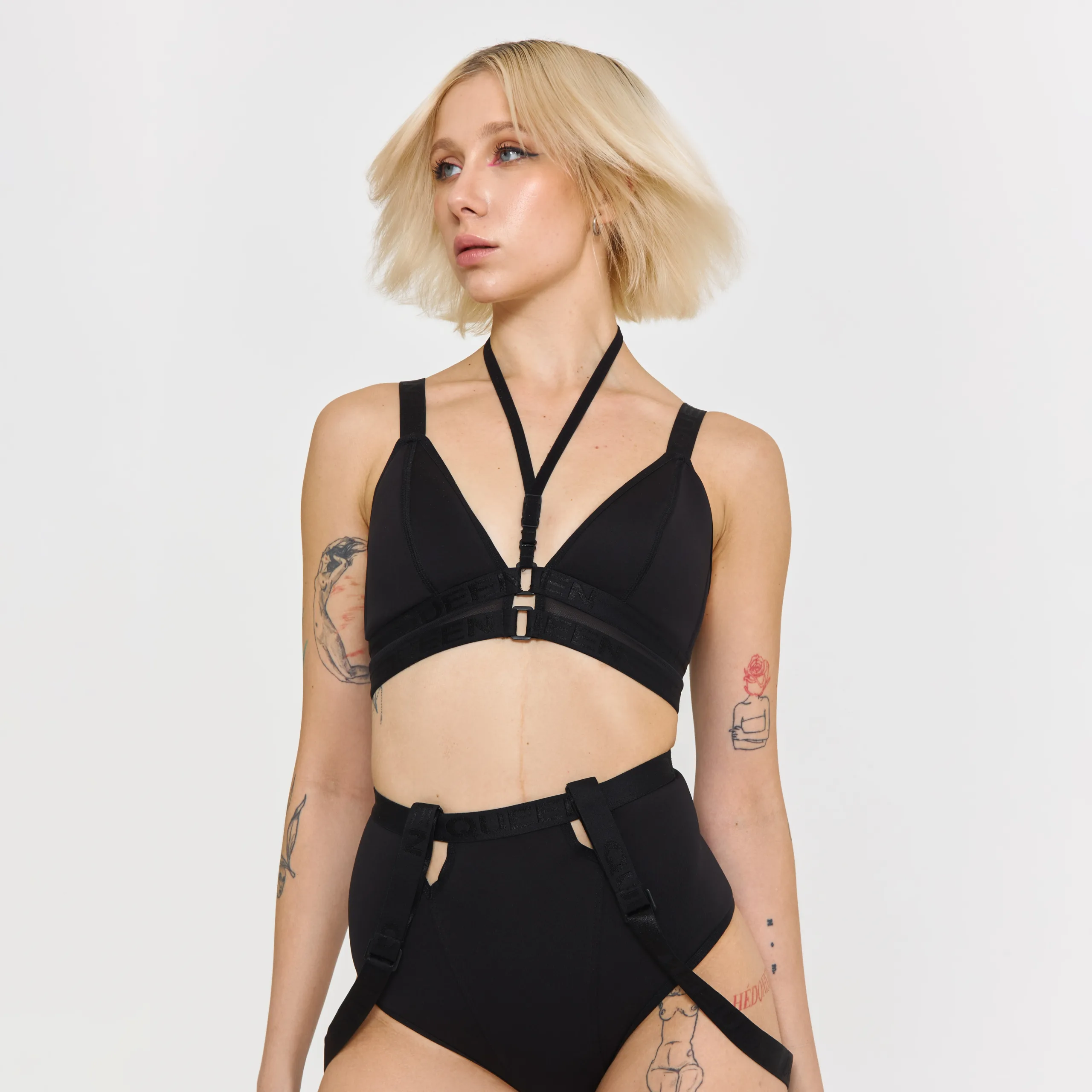
Explore pole-friendly shorts designed to stay in place, stretch with your body and support safe practice.
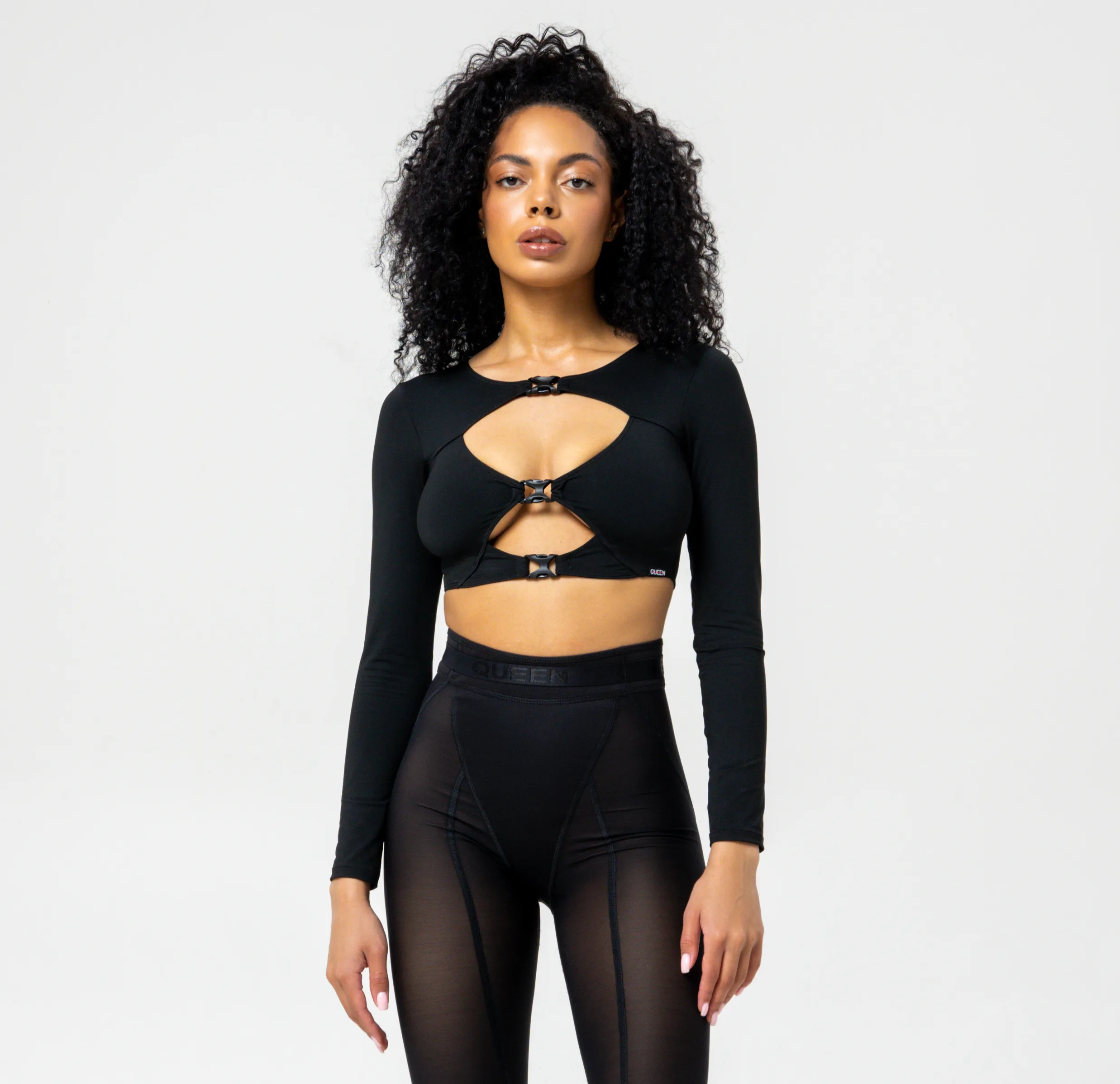
A Supportive Top for Stability
A well-fitted top helps keep your upper body stable during spins and movements. It should feel supportive without limiting shoulder mobility.
Check out our tops designed specifically for pole training.
Knee Pads for Floorwork
If your home practice includes floorwork — rolls, slides, kneeling transitions — soft knee pads protect your joints and increase comfort.
Browse dancer-friendly knee pads that offer flexibility and cushion without restricting movement.
Accessories That Improve Comfort
Some dancers enjoy using grip aids, gloves or training accessories that make home practice easier.
Explore the accessories selection for tools that enhance control and support.
Avoid Slippery Products
To maintain proper grip:
- avoid lotions and oils before training
- keep your hands dry
- clean your pole regularly
These small habits significantly improve your training experience.
Benefits of Training Pole Dance at Home
Home practice offers more than convenience — it becomes a personal space for growth.
You get:
- flexibility to train anytime
- freedom to repeat movements without pressure
- privacy and comfort
- more opportunities to build technique and body awareness
Home training pairs perfectly with studio lessons, helping you progress faster and more confidently.
Final Thoughts
Creating a space for home pole dancing opens the door to consistent, enjoyable practice. With safe installation, proper clothing and mindful preparation, your home can become an ideal place to explore movement, build strength and grow your pole dance skills.
Take your time, enjoy your progress and let pole dance for home become a routine that inspires you and brings confidence into every session.