





 UA
UA  PL
PL Best Pole Dance Knee Pads: How to Choose Protection for Floor Work
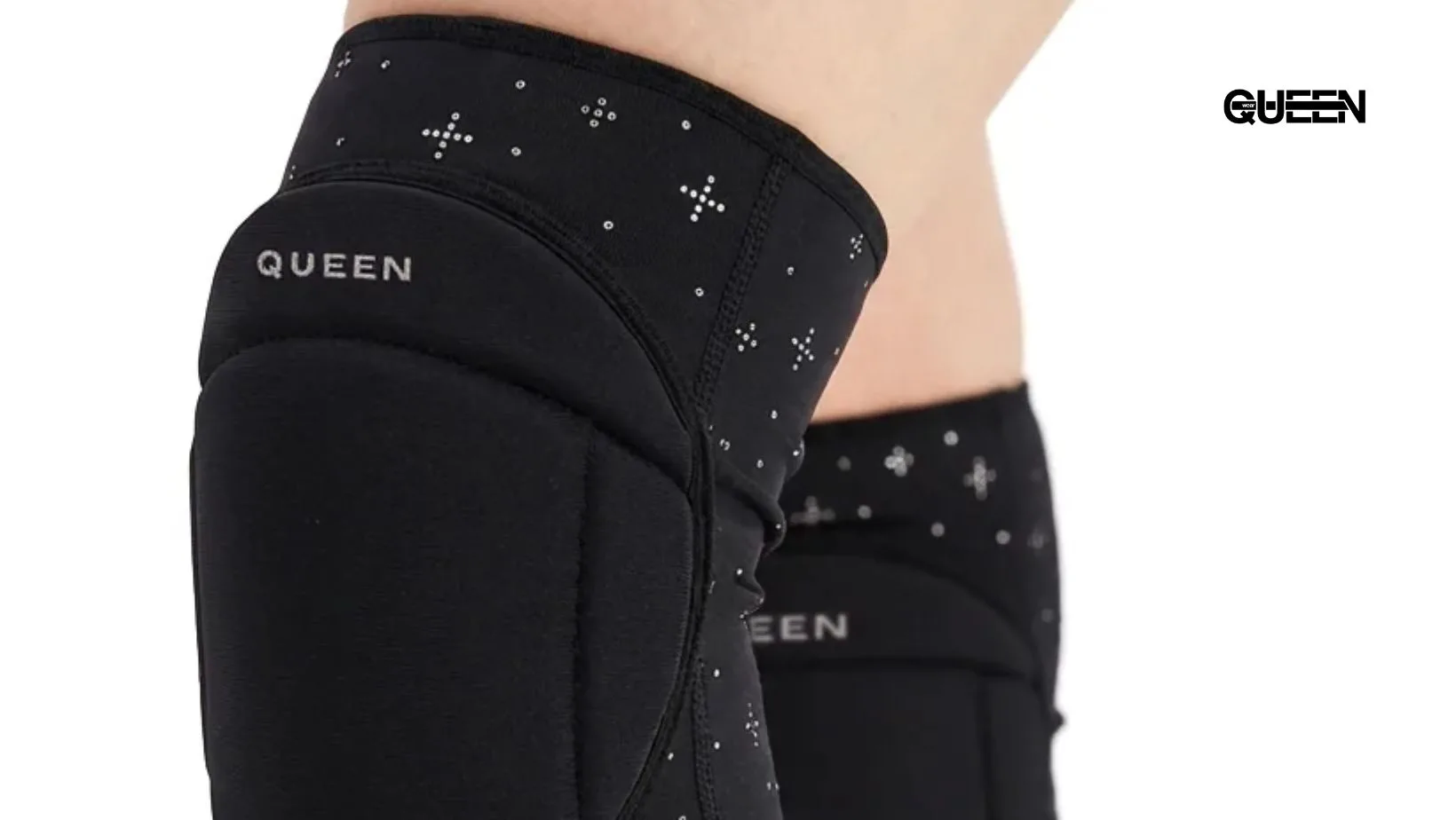
Choosing the best pole dance knee pads can make floor work much more comfortable and confident. In pole dance, your knees often touch the floor during transitions, slides, low flow, exotic pole and choreography. Without proper protection, repeated movement can quickly become painful or distracting.
Good knee pads help reduce pressure, protect your skin and allow you to focus on movement instead of discomfort. They are especially useful for dancers who train floor work, heels, low flow or performance-style routines.
In this guide, we will explain how to choose knee pads for pole dance, what features matter most and when grippy knee pads may be the better option. You can also explore Queen Wear’s pole dance knee pads if you are looking for protection made for pole training and floor movement.
Why Knee Pads Matter in Pole Dance
Pole dance is not only about tricks on the pole. Many classes include floor transitions, knee slides, rolls, crawls and choreography. During these movements, your knees often carry pressure and body weight.
Knee pads help protect your knees from:
- pressure during floor work;
- friction from repeated movement;
- bruising and skin irritation;
- discomfort during choreography;
- impact during low flow transitions.
For beginners, knee pads can also make training feel less intimidating. When your knees are protected, it is easier to repeat movements, improve technique and build confidence.
When Do You Need Pole Dance Knee Pads?
You may not need knee pads for every pole class. For example, a class focused only on spins, climbs or conditioning may not include much knee contact with the floor.
However, knee pads are strongly recommended for classes that include:
- floor work;
- low flow;
- exotic pole;
- heels dance;
- choreography;
- sensual flow;
- beginner floor transitions;
- repeated practice on hard studio floors.
If your class description mentions floor work, heels or choreography, it is a good idea to bring knee pads with you.
How to Choose the Best Pole Dance Knee Pads
The best knee pads for pole dance should protect your knees without limiting movement. They should feel secure, flexible and comfortable throughout the whole class.
When choosing knee pads, pay attention to:
- padding thickness;
- fit around the knee;
- fabric flexibility;
- breathability;
- stability during movement;
- grip if you need contact with the pole;
- comfort during floor transitions.
Knee pads should not slide down every few minutes. They also should not feel so tight that they restrict circulation or make bending uncomfortable.
Padding: Soft but Not Too Bulky
Padding is one of the most important features of pole dance knee pads. It protects the kneecap during floor-based movement and helps reduce discomfort from pressure.
For floor work and choreography, look for knee pads with enough cushioning to support repeated contact with the floor. At the same time, they should not be too bulky. If the padding is too thick, it may make movement feel heavy or awkward.
Good padding should feel:
- soft enough for floor contact;
- stable during movement;
- flexible when bending the knee;
- comfortable for longer training sessions.
The right balance depends on your training style. If you do a lot of floor work, stronger padding is usually better. If you prefer light choreography, a thinner and more flexible option may be enough.
Fit: Knee Pads Should Stay in Place
Fit is just as important as padding. Even well-padded knee pads will not help much if they slide down during training.
A good fit should feel secure but not painful. Knee pads should stay in place when you bend, slide, turn, kneel or move across the floor.
Before choosing a pair, consider:
- your knee size;
- thigh and calf fit;
- stretch of the fabric;
- whether the knee pads move during bending;
- how they feel during longer wear.
If knee pads are too loose, they may slip. If they are too tight, they may dig into the skin and feel uncomfortable.
Regular vs Grippy Knee Pads
Not all knee pads work the same way. Some are made mainly for floor protection, while others also have grip. For pole dance, this difference can be important.
Regular knee pads are a good choice for floor work, choreography and low flow. They protect your knees and allow smooth movement on the floor.
Grippy knee pads are designed to give extra contact with the pole. They can be useful when you need knee protection but also want better grip during pole tricks or transitions.
Choose regular knee pads if you need:
- soft floor protection;
- comfort during choreography;
- smoother movement on the floor;
- support for low flow or heels classes.
Choose grippy knee pads if you need:
- extra grip on the pole;
- more control during contact moves;
- protection without losing pole contact;
- support for tricks that involve the knees.
For many dancers, it is useful to have both options depending on the type of class.
Knee Pads for Floor Work and Heels
Floor work often includes kneeling, sliding, rolling and controlled transitions. In heels classes, knee pads are even more useful because choreography may include repeated floor contact and sharper movement.
For this type of training, comfort is essential. You need knee pads that protect your knees but still allow fluid movement.
For floor work and heels, choose knee pads that are:
- well-padded;
- flexible;
- secure on the leg;
- comfortable for repeated movement;
- suitable for long practice sessions.
If you train often, investing in good knee protection is worth it. It can help you practice longer and reduce unnecessary discomfort.
What to Avoid When Choosing Knee Pads
Some knee pads may look suitable but are not practical for pole dance. General sports knee pads can sometimes be too bulky, too stiff or not flexible enough for dance movement.
Try to avoid knee pads that:
- slide down during movement;
- feel too tight behind the knee;
- have very stiff padding;
- are too bulky for floor work;
- limit your range of motion;
- are made from uncomfortable fabric.
Pole dance requires both protection and flexibility. Your knee pads should support movement, not make it harder.
How to Care for Pole Dance Knee Pads
Knee pads are used close to the skin during active training, so they need regular care. Always check the product instructions before washing, because materials and padding can differ.
In general, it is better to:
- air them out after class;
- avoid leaving them in a closed gym bag;
- wash them gently when needed;
- avoid harsh drying methods;
- let them dry fully before the next use.
Good care helps knee pads stay fresh, comfortable and longer-lasting.
Final Tips for Choosing Pole Dance Knee Pads
The best pole dance knee pads are the ones that match your training style. For floor work, low flow and choreography, choose comfortable knee pads with soft protection and a secure fit. For pole tricks that need knee contact, grippy knee pads may be a better choice.
Focus on comfort, padding, flexibility and stability. Your knee pads should protect your knees without limiting movement or distracting you during class.
Ready to train with more comfort? Explore Queen Wear’s knee pads for pole dancing and choose the right protection for floor work, heels, choreography and confident movement.