




 UA
UA  PL
PL The Difference Between Pole Wear & Regular Activewear

The main difference between pole wear and regular activewear is function: pole dance wear is designed for grip, control, and safety, while regular activewear is not. Many beginners, parents, and even dancers assume that gym clothes are enough for pole dance. In reality, choosing the wrong outfit can slow progress, reduce confidence, and increase the risk of injury.
In this article, we clearly explain how pole wear differs from regular activewear, why it matters for beginners and teens, and why professional knee pads are an essential part of safe pole training.
What Is Pole Dance Wear?
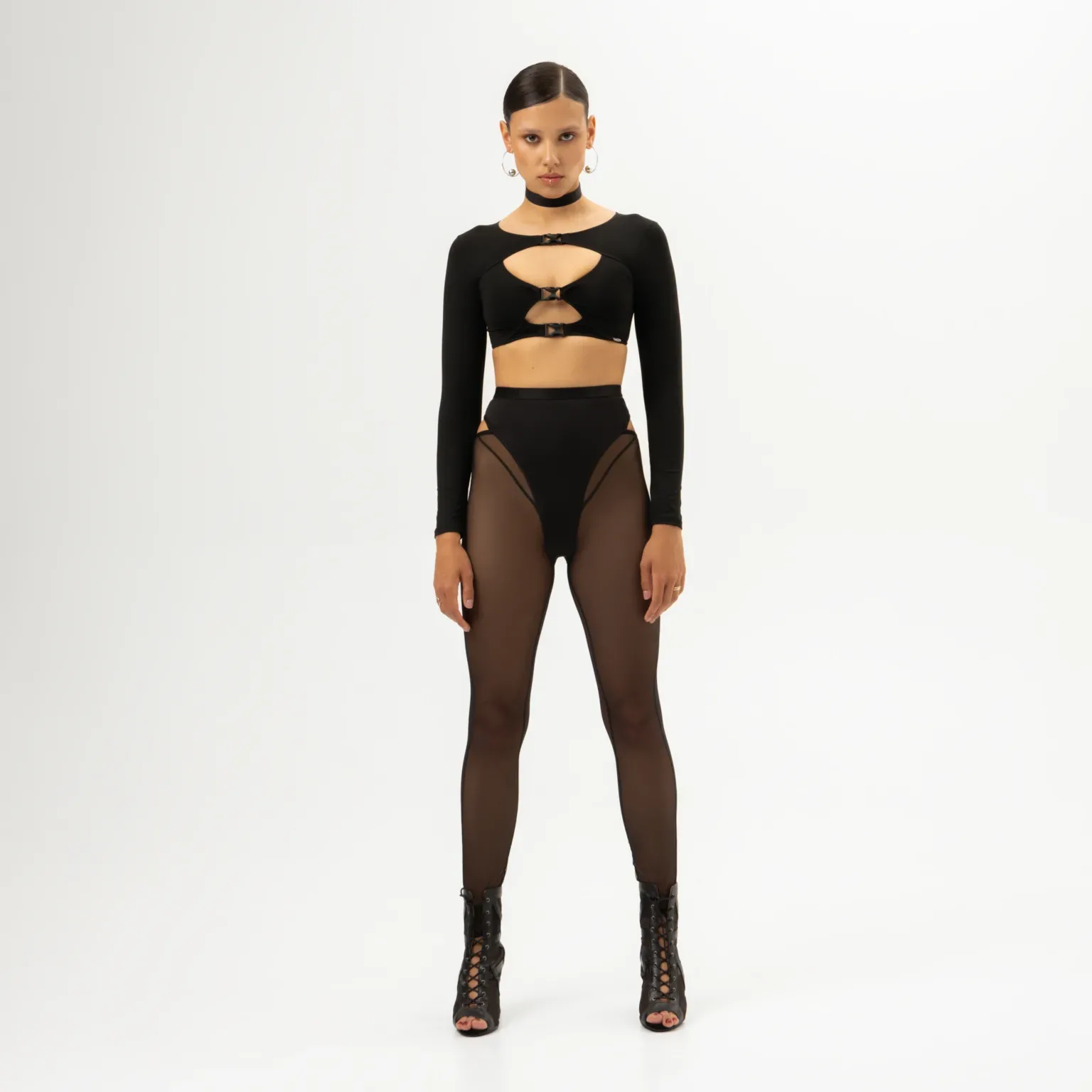
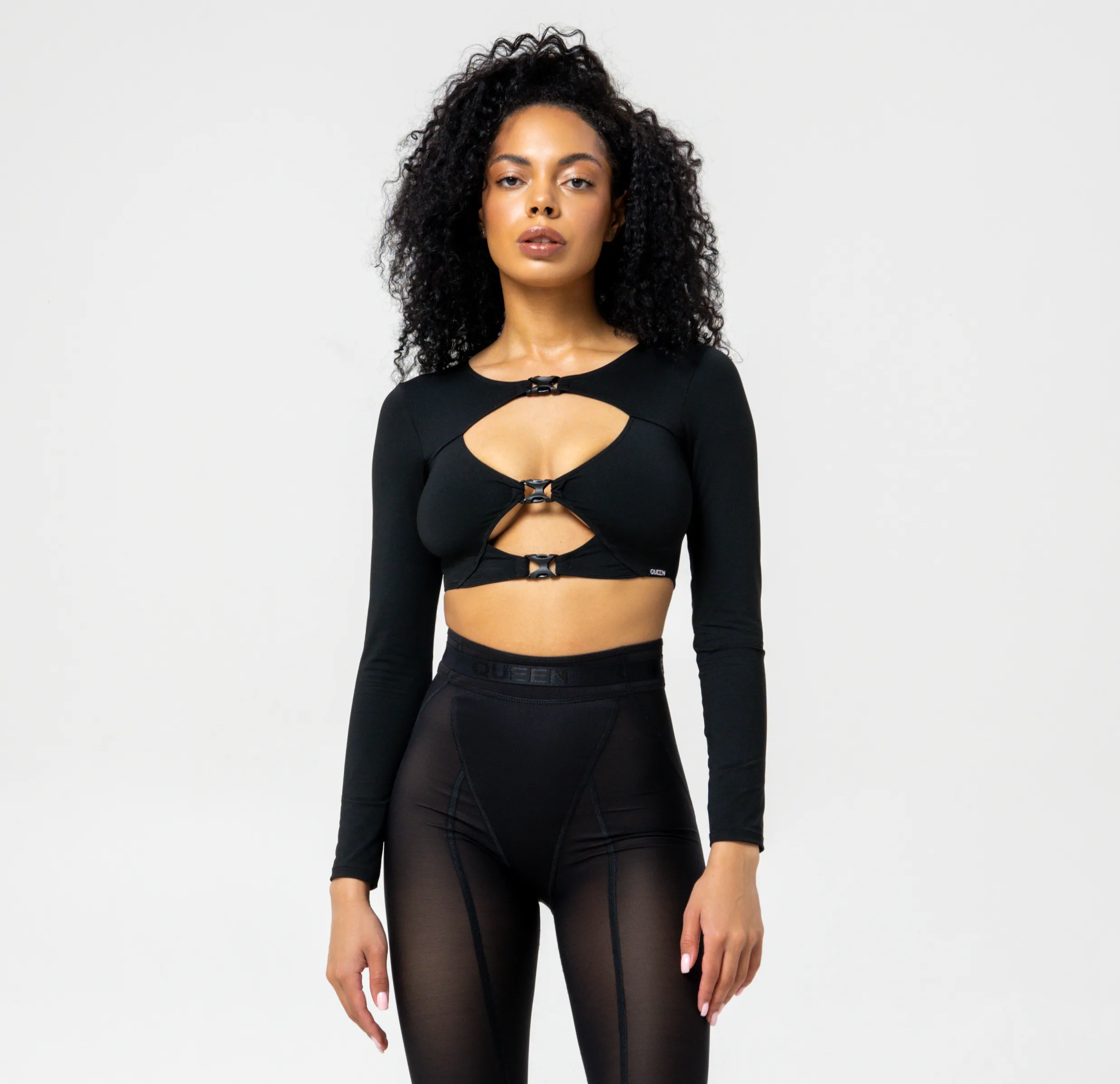
Pole dance wear is specialized clothing created specifically for training and performing on a pole. Unlike standard sportswear, pole dance clothes are designed to work with skin contact, friction, and dynamic movement.
Pole dance wear focuses on:
- Controlled grip between skin and pole
- Protection of high-impact areas
- Stability during spins, climbs, and floorwork
This is why pole dance outfits look different from yoga or gym clothes—they serve a different purpose.
What Is Regular Activewear Designed For?
Regular activewear is made for workouts like running, fitness, yoga, or gym training—not for pole dance. Its main goals are sweat absorption, warmth, and muscle compression.
Typical features of regular activewear:
- Full coverage (leggings, long shorts)
- Smooth, slippery fabrics
- Minimal focus on skin-to-surface contact
While activewear works well in a gym, it often becomes unsafe or ineffective on the pole.
Key Differences Between Pole Wear & Regular Activewear
Pole wear and activewear differ in grip, coverage, safety, and movement support. The table below shows the main distinctions.
| Feature | Pole Dance Wear | Regular Activewear |
| Skin Contact | Essential | Minimized |
| Grip Support | High | Low |
| Floorwork Protection | Designed for it | Not designed |
| Stability During Spins | High | Medium–Low |
| Beginner-Friendly | Yes | Often No |
This difference becomes especially important for beginners and young dancers.
Why Regular Activewear Doesn’t Work for Pole Dance
Regular activewear often prevents proper grip and increases the risk of slipping. This is one of the most common beginner mistakes.
Common Problems with Activewear on the Pole
Using regular sportswear can lead to:
- Slipping during climbs and holds
- Fabric burns instead of skin grip
- Reduced control during spins
- Higher risk of falling
That is why professional pole clothes are not optional—they are part of safe training.
Why Pole Dance Clothes Improve Safety and Progress
Pole dance clothes are designed to help your body work with the pole, not against it. Correct pole wear allows beginners to learn faster and feel more confident.
Benefits of proper pole dance wear:
- Better grip and stability
- Fewer skin injuries
- Improved body awareness
- Safer floorwork
For children and teens, this difference is even more critical.
Pole Dance Wear for Beginners, Teens, and Children
Beginners and young dancers need more protection, not less. Pole dance wear offers safer coverage while still allowing essential skin contact.
Important features for beginners:
- Secure fit that does not slide
- Soft, skin-friendly fabrics
- Designed grip zones
- Compatibility with knee pads
Parents should avoid dressing children in regular gym clothes for pole dance classes.
The Role of Knee Pads: Where Activewear Fails
Regular activewear does not protect the knees—pole dance wear does. Floorwork, slides, and drops place direct pressure on the knees.
Why Knee Pads Are Essential in Pole Dance
Professional knee pads:
- Absorb impact
- Prevent burns and bruises
- Protect joints long-term
This is why knee pads are considered part of essential pole dance wear, not an accessory.
We recommend choosing professional knee pads from Queen Wear Official[https://queenwearofficial.com/product-category/pole-wear/], designed specifically for pole training.
Pole Dance Outfits vs Gym Outfits: A Practical Comparison
Pole dance outfits are built for function first, while gym outfits focus on general comfort.
Pole dance outfits provide:
- Controlled exposure for grip
- Reinforced areas for movement
- Compatibility with knee pads
Gym outfits provide:
- Warmth and compression
- Sweat control
- Limited pole functionality
Mixing these categories often leads to frustration for beginners.
Common Beginner Mistakes When Choosing Pole Clothes
Many beginners start in regular activewear because it feels familiar. Unfortunately, this slows learning.
Avoid these mistakes:
- Wearing leggings on the pole
- Choosing slippery fabrics
- Skipping knee pads
- Buying pole clothes based only on looks
Professional pole dance clothes are designed for real movement and safety.
Why Buy Pole Dance Wear from a Specialized Store
Specialized pole brands understand the unique demands of pole training. When you buy from Queen Wear Official, you choose equipment—not just clothing.
Benefits include:
- Pole dance wear designed for real classes
- High-quality knee pads
- Options for beginners, teens, and experienced dancers
Explore the full selection of pole dance wear, pole clothes, pole dance outfits, and knee pads here[https://queenwearofficial.com/product-category/pole-wear/]
Final Thoughts: Choose Function Over Habit
Pole wear and regular activewear are not interchangeable. What feels comfortable in the gym can be unsafe on the pole.
If you or your child are starting pole dance, invest in proper pole dance clothes and reliable knee pads from the beginning. The right choice means better grip, fewer injuries, faster progress, and more confidence.